Split Archaeological Museum
Split, Croatia
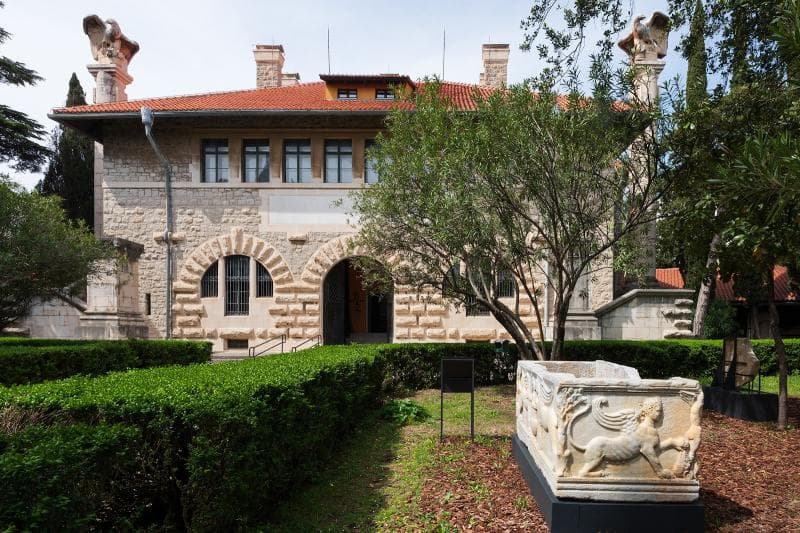
Explore Split Archaeological Museum in Split, Croatia. Discover ancient Dalmatian history from prehistory to the Middle Ages through 150,000 artifacts.
Overview
The Archaeological Museum in Split, Croatia, stands as the nation's oldest museum institution, a testament to Dalmatia's rich and layered past. Established in 1820 by a decree from the Dalmatian government in Zadar, it has been meticulously preserving and showcasing the region's archaeological treasures for over two centuries. Situated just a short stroll from Split's historic city center, the museum houses a vast collection of approximately 150,000 artifacts, spanning an immense timeline from prehistoric eras through the period of Greek colonization, the Roman Provincial and Early Christian ages, and up to the early Middle Ages. Its primary focus is on finds from Split itself and the ancient city of Salona, which was once the capital of the Roman province of Dalmatia and is located just outside modern-day Solin.
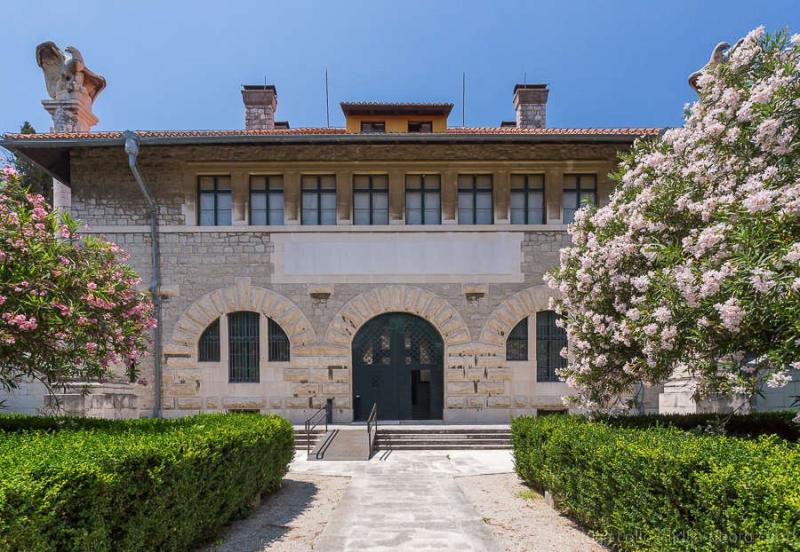
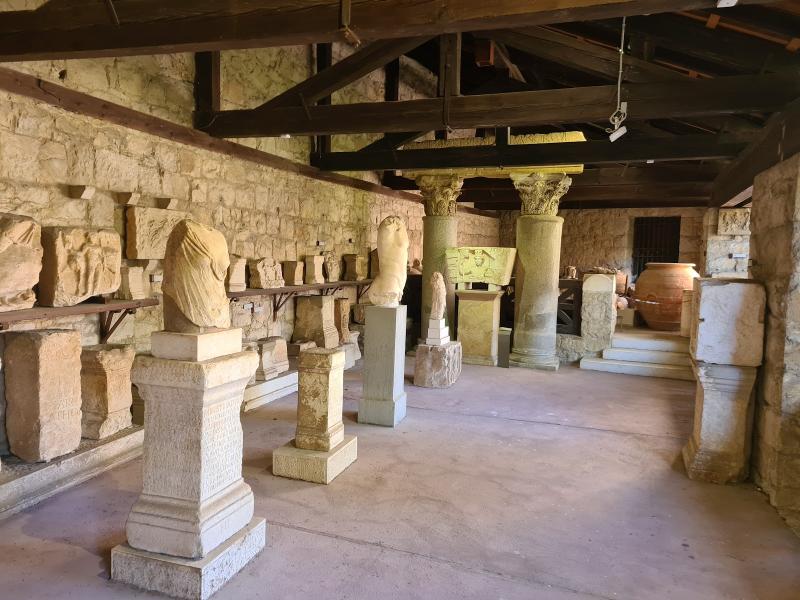
The museum's architectural complex includes a two-story main building, featuring exhibition halls and a library, alongside an impressive outdoor lapidarium. This institution offers a profound journey into the origins of Dalmatian culture, making it an indispensable stop for anyone seeking to understand the historical roots of this captivating Adriatic region.
History & Cultural Background
The genesis of the Split Archaeological Museum can be traced back earlier than its official founding. As far back as the 16th century, local humanist Dominik Papalić began gathering ancient inscriptions and tablets discovered in the ruins of Salona, a collection that marked an early form of archaeological preservation. The formal establishment in 1820 positioned it as a pioneering institution in Croatia. A pivotal figure in the museum's development was Don Frane Bulić, a renowned Catholic priest, archaeologist, and conservator who served as its director from 1884 to 1926. His dedication not only led to a 'golden age' of research at Salona but also oversaw the construction of the museum's current purpose-built edifice between 1912 and 1914, designed by Viennese architects F. Ohmann and A. Kirstein. This period of expansion cemented the museum's role as the most comprehensive repository of ancient Dalmatian artifacts, presenting a systematic record that predates Croatian independence by over a century and a half.
What Makes It Special
What truly sets the Split Archaeological Museum apart is the sheer breadth and depth of its collection, comprising around 150,000 objects. The exhibits are organized chronologically, guiding visitors through the history of Dalmatia from prehistoric times to the early Middle Ages. Highlights include a vast collection of over 70,000 ancient and medieval coins, making its numismatic collection particularly significant. The museum boasts eight distinct collections, such as the Early Christian Collection, the Roman Provincial Collection, the Greek-Hellenistic Collection, and a unique Underwater Archaeology Collection, showcasing finds from the Adriatic Sea.
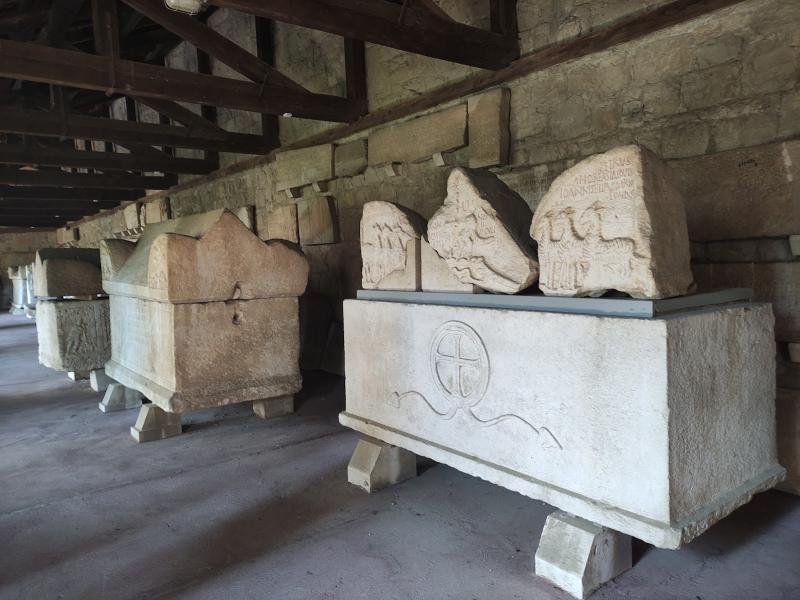
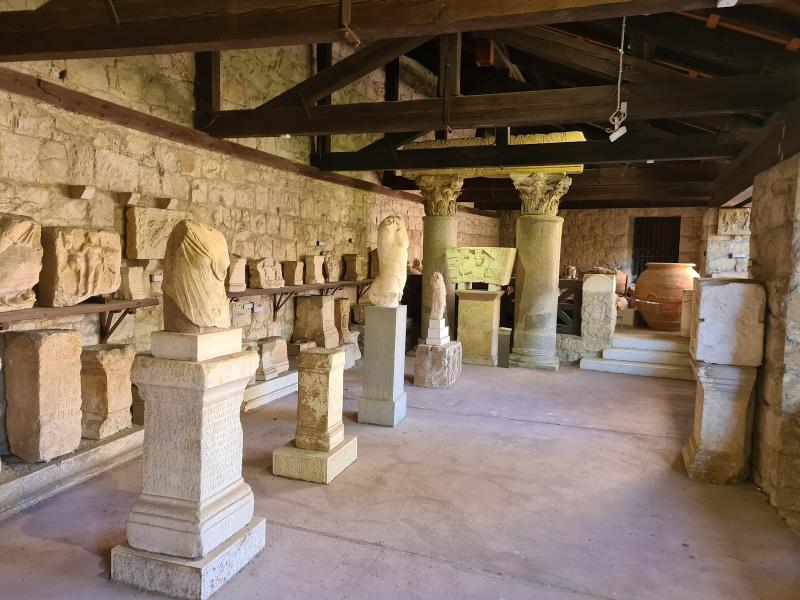
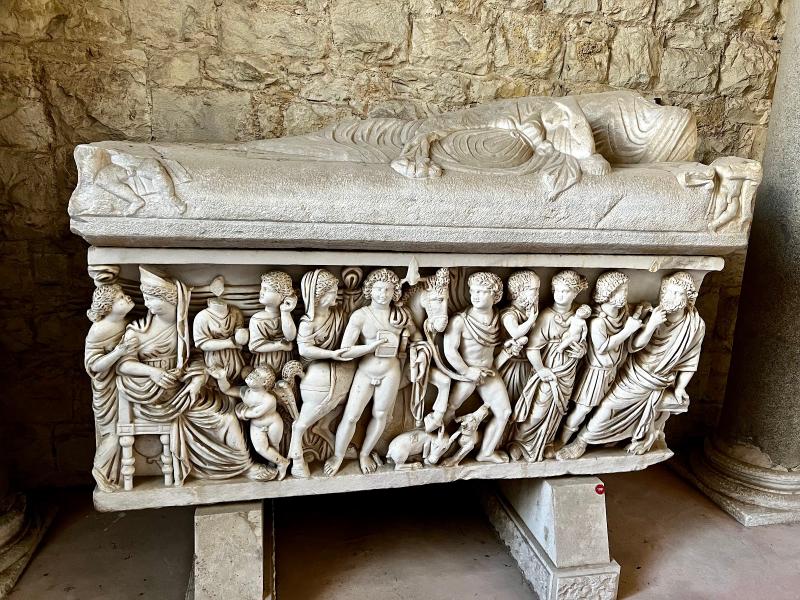
The outdoor lapidarium is a major draw, featuring an extensive array of Roman sarcophagi, stone inscriptions, and architectural fragments primarily excavated from the nearby ancient city of Salona. This open-air display allows for a palpable connection with the past, with many sarcophagi dating back to the 2nd and 3rd centuries CE still bearing readable Latin inscriptions. The museum is also an active research institution, conducting archaeological work in Salona, Issa, and Narona, and has published the archaeological journal 'Bullettino di archeologia e storia dalmata' since 1878.
Stories, Fun Facts & Local Details
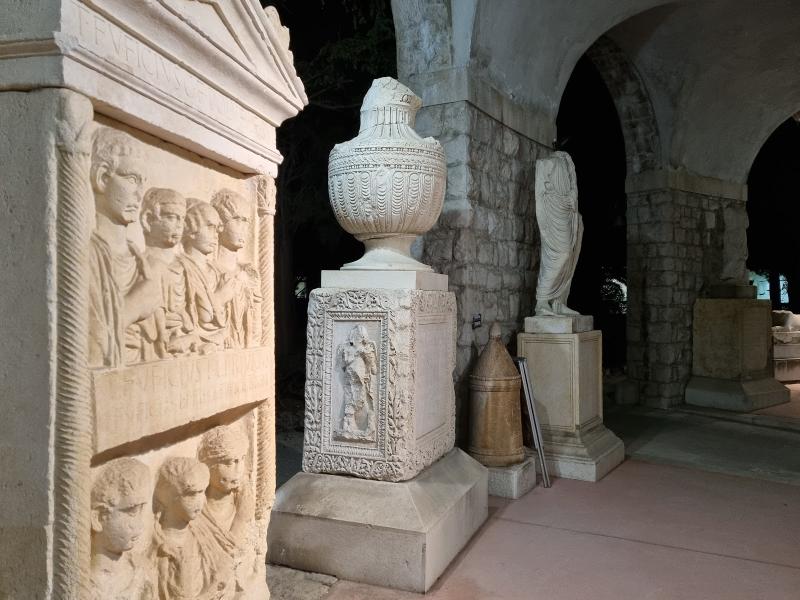
Many of the museum's most compelling artifacts originate from Salona, the ancient Roman capital whose ruins lie just a short distance from Split. This intimate connection means that virtually every object tells a story rooted in the immediate surroundings, offering visitors a tangible link to the land they are exploring. Imagine walking among funerary steles that depict Roman citizens' family portraits, some over 2,000 years old, pondering the lives of those whose images are etched in stone. A particularly fascinating detail is the presence of a headless Egyptian sphinx statue within the museum's collection, believed to have been imported by Emperor Diocletian to his palace in Spalatum (Split) and later decapitated by Christians during their era of ascendancy. Beyond the exhibits, the museum's library houses more than 30,000 books and journals, serving as a vital resource for scholars and enthusiasts alike, further underscoring its role as a center for historical knowledge.
Visitor Perspective
For the curious traveler, the Archaeological Museum offers a tranquil and intellectually stimulating escape from the bustling city. It is highly recommended to begin your visit in the outdoor lapidarium, where the grand scale of the stone monuments provides a powerful introduction to the region's ancient heritage. The main building's ground floor delves into prehistoric and early Roman periods, featuring ceramics, metalwork, and Greek colonial pottery. The upper floor continues the narrative into late Roman, Early Christian, and early medieval artifacts, including significant mosaic panels and reliquary objects from Salona. A visit typically takes between 1.5 to 2.5 hours to fully appreciate the exhibits. The museum's proximity to Diocletian's Palace (about a ten-minute walk) makes it an accessible and complementary experience, providing essential context to the emperor's grand residence. Consider purchasing a combined ticket that includes entry to Salona, as the museum's collection profoundly enriches an exploration of the ancient city's ruins, making its foundational stones and fragmented sculptures come alive.
Coordinates: 16.43487572504272, 43.51580916740614
View on Google Maps💬 How Travelers Describe This Place
Based on community votes
Unique
872Beautiful
846Interesting
684Photogenic
363Must See
87
Traveler Stories
Discover memorable experiences shared by travelers who have visited this place.
No traveler stories yet.
Be the first traveler to share what made this place memorable.
Things to see at Split Archaeological Museum




Tour
By
Spot
Discover amazing places around the world. Your journey starts here.
Explore
© 2026 TourBySpot. All rights reserved.