Sarcophagus Collection
Split, Croatia
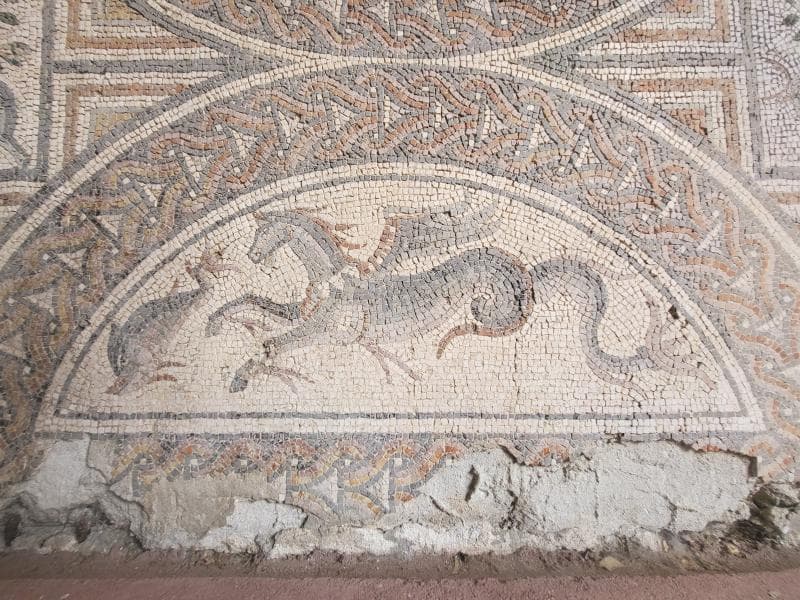
Explore the Sarcophagus Collection at the Split Archaeological Museum in Split, Croatia, revealing ancient Roman and Early Christian burial artistry.
Overview
Nestled within the oldest museum institution in Croatia, the Split Archaeological Museum, lies a profound testament to ancient life and death: the Sarcophagus Collection. This significant assembly of Roman and Early Christian sarcophagi offers a tangible link to the rich history of Dalmatia, particularly the nearby ancient city of Salona. Visitors encounter these magnificent stone coffins primarily within the museum's serene arcaded garden, a 'lapidarium' that allows for an open-air appreciation of these monumental artifacts. The collection provides a crucial glimpse into the burial practices, religious beliefs, and artistic expressions that shaped this region from the 2nd to the 4th centuries CE.
The museum itself, established in 1820, houses an extensive array of some 150,000 artifacts, positioning it as the most comprehensive record of ancient Dalmatia. The Sarcophagus Collection stands out, offering a powerful narrative of transition from pagan traditions to the rise of Christianity, reflecting the broader cultural shifts of the Roman Empire.
History & Cultural Background
The origins of the Sarcophagus Collection are deeply intertwined with Salona, once a thriving Roman provincial capital located just outside modern-day Split. Roman law strictly forbade burials within city walls, leading to the development of extensive necropolises along the roads leading out of cities like Salona. These ancient cemeteries are where the majority of the sarcophagi now displayed in the museum were discovered.
The sarcophagi span a period that witnessed significant religious and societal changes. Early examples often reflect classical Roman styles and pagan beliefs, while later pieces clearly illustrate the growing influence of Christianity. Salona, being one of the most important early Christian communities in the Adriatic, provided a fertile ground for this transition. The collection vividly portrays this evolution, from the use of traditional Roman iconography to the emergence of distinct Christian symbolism. The museum's holdings from this era are particularly significant in a European context, offering insights into the daily lives, art, and religious practices of the time.
What Makes It Special
What sets the Sarcophagus Collection apart is not just its age, but the remarkable artistry and the stories etched into each stone. Among the most celebrated pieces are the 'Good Shepherd Sarcophagus' and the 'Sarcophagus with a scene of the Israelites crossing the Red Sea'. The 'Good Shepherd Sarcophagus', dating to the early 4th century CE, is notable for its monumental scale, high-quality workmanship, and its allegorical depiction of Jesus Christ. This piece eloquently symbolizes the transition to Christian art, using a familiar motif with new religious meaning.
Equally compelling is the 'Sarcophagus with a scene of the Israelites crossing the Red Sea', likely from the latter half of the 4th century CE. This sarcophagus, believed to have held the relics of St. Felix, was originally located in the Monastery of St. Francis in Split before finding its home in the museum. Its detailed biblical narrative highlights the importance of Old Testament stories in early Christian funerary art.
Many sarcophagi from Salona feature readable Latin inscriptions, providing direct connections to the individuals and families they commemorated, such as the gravestone of Aurelius Valerinus, secretary for the governor of Dalmatia. These inscriptions, alongside the sculptural reliefs, offer invaluable data for understanding Roman society, hierarchy, and personal beliefs.
Stories, Fun Facts & Local Details
Imagine the ancient Roman citizens of Salona commissioning these grand sarcophagi, carefully selecting scenes and symbols to represent their lives and hopes for the afterlife. For example, some early Christian sarcophagi cleverly integrated pagan motifs, such as the personification of the city of Salona (Tyche Salonitana), which originally adorned the city gate. This blending of old and new beliefs offers a fascinating glimpse into the cultural syncretism of the era.
The practice of burying the dead outside the city walls led to vast necropolises. At Manastirine, a significant necropolis near Salona, nearly a thousand sarcophagi were discovered, including a remarkable arrangement of 16 sarcophagi belonging to both pagans and Christians, all aligned in a row. Though many were looted over centuries, their presence speaks volumes about the diverse community that once thrived there.
A particularly poignant detail is that some fragments in the museum, including a headless Egyptian sphinx statue, even came from Diocletian's Palace. It's believed that many such sculptures were decapitated by early Christians retaliating against the persecutions they endured under Emperor Diocletian. This adds another layer of historical drama and cultural conflict to the collection.
Visitor Perspective
Visiting the Sarcophagus Collection at the Split Archaeological Museum is an immersive journey through time. The outdoor lapidarium, lined with these ancient monuments, provides a unique atmosphere where one can reflect on the passage of millennia. Walking among these weathered yet magnificent stones, listening to the soft sounds of modern Split, you gain a profound sense of scale and connection to the lives lived thousands of years ago.
Inside, the detailed explanations and curated displays further illuminate the significance of each piece, whether it's a grand sarcophagus or a smaller funerary stele. For those planning to visit the ruins of Salona, exploring this collection beforehand offers invaluable context, transforming a field of stone foundations into a legible story of Roman and Early Christian life. It's an essential stop for anyone keen to understand the deep historical layers beneath Croatia's vibrant coastal region.
Coordinates: 16.43444, 43.51556
View on Google Maps💬 How Travelers Describe This Place
Based on community votes
Unique
898Interesting
667Must See
618Beautiful
308Photogenic
32
Traveler Stories
Discover memorable experiences shared by travelers who have visited this place.
No traveler stories yet.
Be the first traveler to share what made this place memorable.

Tour
By
Spot
Discover amazing places around the world. Your journey starts here.
Explore
© 2026 TourBySpot. All rights reserved.