Coin Collection
Split, Croatia
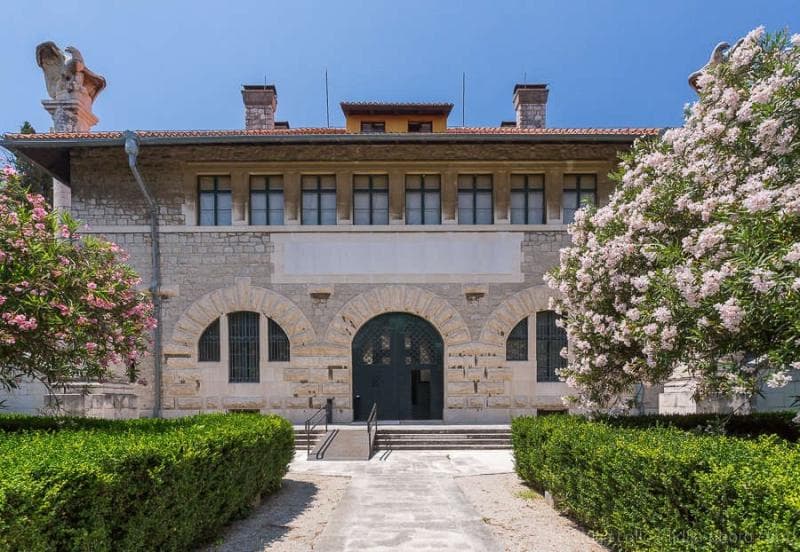
Discover the Coin Collection at Split Archaeological Museum in Split, Croatia, boasting over 70,000 ancient and medieval coins.
Overview
Deep within the esteemed Split Archaeological Museum in Split, Croatia, lies the fascinating Coin Collection, a numismatic treasure trove that offers a unique journey through centuries of economic and political change. This specialized collection, formally known as the Numismatic Collection, comprises over 70,000 ancient and medieval coins, alongside a selection of medals. It is regarded as one of the most significant and comprehensive coin holdings in the Adriatic region, meticulously preserving the monetary history of the Eastern Adriatic seaboard and its hinterland.
Housed within Croatia's oldest museum, established in 1820, the Coin Collection provides tangible links to the diverse civilizations that have shaped Dalmatia. Visitors can explore a vast array of coinage, from the earliest Greek colonial mints to Roman and Byzantine issues, through to medieval and Venetian-era currency. Each coin, often a miniature work of art and a historical document, tells a story of trade, conquest, and daily life in a bustling Mediterranean crossroads.
History & Cultural Background
The Archaeological Museum in Split, which hosts the Coin Collection, has a rich history itself, founded in 1820 by a decree of the Dalmatian government. Its extensive holdings, totaling some 150,000 artifacts, primarily originate from Split and the ancient Roman city of Salona, just outside modern-day Split.
The numismatic materials were initially part of the broader archaeological section but gained their own distinct identity. In 1978, these valuable artifacts were formally separated into a Numismatic Cabinet, which was subsequently renamed the Numismatic Collection in 1984. This organizational evolution underscores the growing recognition of the collection's immense historical and cultural significance. The first curator to oversee this specialized collection was Ivan Marović, followed by Maja Bonačić Mandinić, both instrumental in its development and preservation.
The coins on display reflect the dynamic history of the region. They offer insights into the economic systems of Greek colonists, the vast reach of the Roman Empire, the enduring legacy of Byzantium, and the intricate trade networks of medieval and early modern Dalmatia. Each period brought new currencies, minting techniques, and iconographies, all meticulously cataloged within this collection.
What Makes It Special
What truly sets the Split Archaeological Museum's Coin Collection apart is its remarkable breadth and depth. With over 70,000 pieces, it covers an expansive timeline, from some of the earliest recorded coins to those circulating just a few centuries ago. Visitors can marvel at some of the oldest coins ever used, such as the drachmas of Aegina, dating from 650 to 550 BC.
The collection's strength lies in its comprehensive representation of the various powers that influenced the Adriatic. It features Greek coins arranged by geographical and chronological units, including those from Greek colonies in the Eastern Adriatic. Roman currency is particularly well-represented, with Republican denarii, aurei of emperors like Augustus and Diocletian, and significant hoards of bronze coins from the 1st, 2nd, and 3rd centuries found in areas like Dugopolje and Vis. Byzantine coinage, spanning from Emperor Anastasius to Romanus III Argyros (up to the 11th century), further enriches the historical narrative.
Moreover, the collection includes medieval coins specific to the region, such as Split's autonomous coinage, known as 'bagatini', minted between the 12th and 14th centuries, and the silver 'Hrvoje's money', featuring Saint Domnius and the city's name. The presence of 17th-century Spanish thalers found on the island of Hvar also highlights the broader trade connections of Dalmatia. These coins, especially those with precisely identified find-sites, are invaluable as primary sources of historical tangible heritage.
Stories, Fun Facts & Local Details
Imagine holding a coin that was once used to pay for goods in ancient Salona, or one that changed hands during the construction of Diocletian's Palace. Each coin in the collection carries whispers of past lives and pivotal moments. For instance, the Roman hoards discovered in places like Dugopolje or Vis suggest moments of crisis or prosperity, where valuable currency was either hidden for safekeeping or lost to time.
The meticulous arrangement of the Greek coins, categorized by their minting regions and then chronologically, allows visitors to trace the spread of Hellenic culture and economic influence across the Mediterranean. Learning that the oldest coins on display are the drachmas of Aegina, originating nearly three millennia ago, provides a profound sense of connection to early human civilization and trade.
A particularly fascinating local detail is the inclusion of the 'bagatini' – the autonomous coins of Split – and 'Hrvoje's money'. These pieces not only signify the economic independence and local power of medieval Split but also connect directly to historical figures and local saints, offering a truly unique perspective on the city's past.
Visitor Perspective
For any curious traveler, the Coin Collection offers a captivating dive into the past. While some of the more specialized holdings might not always be on display, visitors interested in numismatics are encouraged to inquire with museum staff about accessible cases. The museum recommends allowing ample time, perhaps an additional hour or so, to thoroughly explore the coin cases and read the inscriptions, especially if combining the visit with other exhibits like the extensive Roman and Early Christian materials.
The collection is presented within the context of the museum's overall chronological and thematic arrangement of artifacts, allowing visitors to see how coinage intertwined with other aspects of daily life, art, and governance throughout history. It's an opportunity to appreciate not just the monetary value, but the artistic craftsmanship and the historical narratives etched into each small, metallic artifact. It's a journey that enriches understanding of Split's enduring legacy as a crossroads of civilizations.
Coordinates: 16.4423, 43.5168
View on Google Maps💬 How Travelers Describe This Place
Based on community votes
Interesting
853Must See
667Unique
190Photogenic
93Beautiful
32
Traveler Stories
Discover memorable experiences shared by travelers who have visited this place.
No traveler stories yet.
Be the first traveler to share what made this place memorable.

Tour
By
Spot
Discover amazing places around the world. Your journey starts here.
Explore
© 2026 TourBySpot. All rights reserved.