Medieval Collection
Split, Croatia
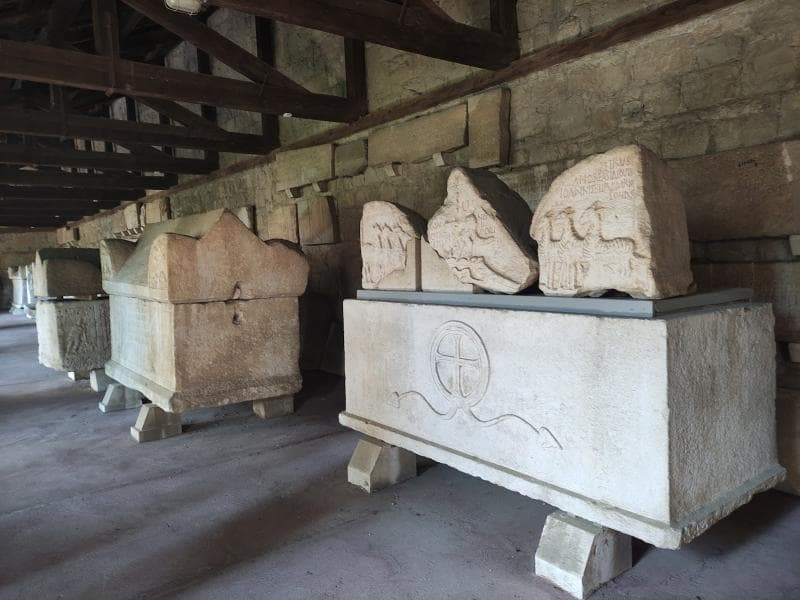
Explore the Medieval Collection at Split Archaeological Museum in Split, Croatia. Uncover early Croatian history, from 4th to 12th century artifacts, rare jewelry, and significant stone carvings. Dive into the heart of Dalmatia's rich past.
Overview
Deep within the ancient city of Split, Croatia, the Archaeological Museum houses a captivating glimpse into the region's early medieval past. The Medieval Collection at the Split Archaeological Museum offers a unique journey through a pivotal period, spanning from the end of the 4th century to the 12th century. This collection is a testament to the dynamic transformations Dalmatia underwent as the Roman Empire declined and new cultural and political identities emerged. As Croatia's oldest museum, established in 1820, the institution itself is a historical landmark, dedicated to preserving the material remains of Illyricum and Dalmatia. It chronicles the fascinating transition from Late Antiquity to the formation of the early Croatian state, providing visitors with a rich understanding of the cultural tapestry woven during these centuries.
History & Cultural Background
The historical backdrop for the Medieval Collection is one of profound change and new beginnings. The late 6th and early 7th centuries witnessed the migration of Avar and Slavic tribes into the region, leading to the fall of prominent Roman cities like Salona. This tumultuous period marked the end of classical antiquity in Dalmatia and ushered in the early Middle Ages. Subsequently, Croatian tribes settled in the hinterlands of the Dalmatian coastal cities, gradually forming their own political entities. The 9th century was particularly significant, as the Frankish state and the Byzantine Empire vied for influence, with Dalmatian cities remaining under Byzantine control while Croatian territories came under Frankish suzerainty. By the mid-9th century, Croatian rulers began asserting greater independence. The artifacts in this collection illustrate this complex period of cultural synthesis, reflecting influences from Roman traditions, early Christian beliefs, and the burgeoning Croatian identity. They showcase a society in flux, adapting and evolving, laying the groundwork for the modern Croatian state.
What Makes It Special
The Medieval Collection stands out for its diverse array of artifacts that vividly narrate the story of early medieval Dalmatia. Among its treasures are exquisite pieces of jewelry unearthed from graves, including intricate earrings, temple ornaments, rings, buttons, necklaces, and belt buckles, offering insights into the personal adornment and craftsmanship of the era. Military gear, such as Frankish swords and spearheads, speaks to the martial aspects of life during this period of constant change. However, perhaps the most compelling elements are the Early Croatian braidwork sculptures. These stone carvings, characterized by their distinctive interlace patterns and figural motifs, once adorned the interiors of churches and represent a unique artistic expression of the early Croatian state. These sculptural fragments, found in the museum's lapidarium alongside other stone monuments, are considered one of the largest collections of their kind in Europe. A particularly vital piece is a fragment of an altar screen pediment bearing the name of the Croatian ruler Trpimir, a direct link to the early Croatian monarchy and a monument of immense historical significance for the Croatian state.
Stories, Fun Facts & Local Details
Imagine the skilled hands that crafted the delicate gold earrings or the formidable Frankish swords, each item a silent witness to centuries gone by. The elaborate braidwork sculptures tell a tale of artistic innovation and deep spiritual devotion, decorating sacred spaces where communities gathered. These aren't just objects; they are echoes of lives lived, of battles fought, and of faith expressed in a nascent nation. The collection, in a sense, allows you to step into the daily lives of early Croats and the various peoples who inhabited Dalmatia. The very existence of such a rich medieval collection within the Split Archaeological Museum underscores the continuous thread of history in this region. The museum's dedication to preserving these materials, 'where it transpired,' as its mission suggests, provides an authentic and deeply rooted connection to the past, moving beyond mere mercantile or tourism aspects. It's a journey into the heart of a civilization forming its own identity, reflected in every curated piece.
Visitor Perspective
Visiting the Medieval Collection offers more than just viewing ancient objects; it provides a profound connection to the historical currents that shaped Croatia and the broader Adriatic region. As you explore the exhibits, you'll encounter the tangible evidence of powerful empires, migrating peoples, and the birth of a new cultural landscape. The chronological and thematic arrangement of the displays guides you through the complexities of the early Middle Ages, making the historical narrative accessible and engaging. The museum's serene atmosphere provides an ideal setting for contemplation, allowing the stories embedded in each artifact to resonate. It is an opportunity to understand how ancient traditions blended with new influences, how daily life unfolded, and how a distinct Croatian heritage began to solidify. This collection is a must-see for anyone interested in the foundational history of Croatia and the rich archaeological heritage of Split and Dalmatia.
Coordinates: 16.43487572504272, 43.51580916740614
View on Google Maps💬 How Travelers Describe This Place
Based on community votes
Interesting
898Photogenic
667Beautiful
618Must See
449Unique
308
Traveler Stories
Discover memorable experiences shared by travelers who have visited this place.
No traveler stories yet.
Be the first traveler to share what made this place memorable.

Tour
By
Spot
Discover amazing places around the world. Your journey starts here.
Explore
© 2026 TourBySpot. All rights reserved.