Schönbrunn Palace
Vienna, Austria
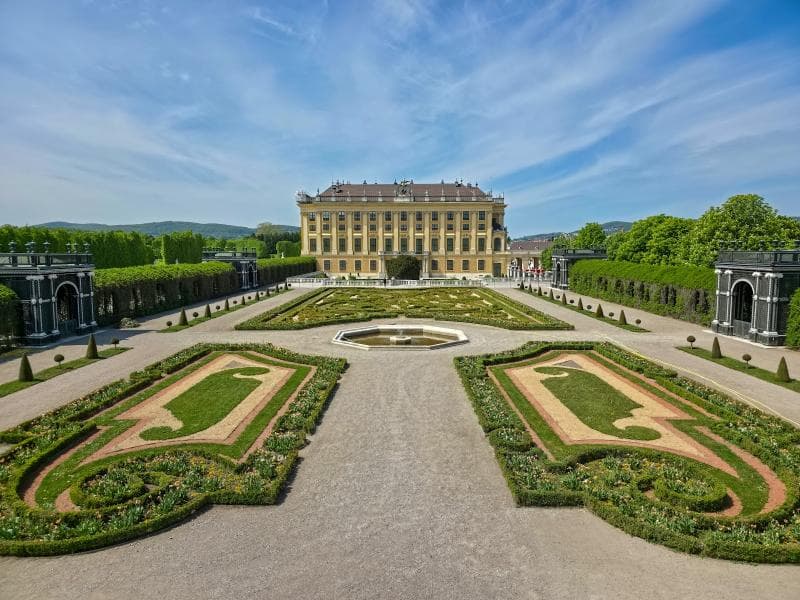
Explore Schönbrunn Palace in Vienna, Austria, a UNESCO World Heritage site and former imperial summer residence. Discover its Baroque grandeur, stunning gardens, and rich Habsburg history.
Overview
Schönbrunn Palace, a magnificent Baroque complex in Vienna, Austria, stands as a grand testament to centuries of Habsburg imperial power. Once the principal summer residence, this sprawling estate, featuring a 1,441-room palace and vast gardens, is celebrated as one of Austria's most significant cultural, architectural, and historical monuments. Designated a UNESCO World Cultural Heritage Site since 1996, it draws millions annually. Its name, 'Schönbrunn,' meaning 'beautiful spring,' comes from an artesian well on the grounds, hinting at the natural beauty that captivated royalty and visitors alike.
History & Cultural Background
Schönbrunn's story begins in 1569 when Holy Roman Emperor Maximilian II acquired the land, then known as Katterburg, establishing it as a hunting preserve. The name 'Schönbrunn' first appeared in 1642. The ambitious Baroque palace vision emerged in the late 17th century when Emperor Leopold I commissioned Johann Bernhard Fischer von Erlach for a new design.
However, Empress Maria Theresa's mid-18th-century reign marked its true transformation. Receiving the estate as a wedding gift, she extensively redesigned it into a majestic imperial summer residence and the vibrant center of court life. Her architect, Nikolaus Pacassi, shaped it into a grand Baroque masterpiece with Rococo influences. Schönbrunn remained central to Habsburg history; Emperor Franz Joseph I was born and died here. Following the monarchy's collapse in 1918, it became state property, preserved as a public museum and a cherished symbol of Austria's imperial heritage.
What Makes It Special
Schönbrunn Palace captivates with its blend of architectural magnificence, historical depth, and natural splendor. The 1,441-room palace showcases exquisite Baroque and Rococo design, each space reflecting imperial tastes and offering a vivid glimpse into aristocratic life. The iconic 'Schönbrunn Yellow' exterior, adopted during Emperor Franz I's redesign, adds to its unique charm.
Beyond the palace, the renowned Schönbrunn Gardens span 160 hectares. These meticulously designed Baroque gardens feature symmetrical avenues, vibrant flowerbeds, and ornate fountains, including the impressive Neptune Fountain. The majestic Gloriette, atop a 60-meter-high hill, built in 1775, offers panoramic views of the palace, gardens, and Vienna. Other unique features include the Roman Ruin, Palm House, historic Orangerie, and the Tiergarten Schönbrunn, the world's oldest continuously operating zoo, established in 1752, enriching the estate's historical and natural appeal.
Stories, Fun Facts & Local Details
Schönbrunn Palace is a vibrant repository of stories and historical anecdotes. A six-year-old Wolfgang Amadeus Mozart once astonished the imperial court in the Mirrored Hall in 1762. Empress Maria Theresa held secret conferences in the intimate Round Chinese Cabinet, while Napoleon Bonaparte utilized the Vieux Lacque Room for strategic discussions.
An intriguing highlight includes a musical duel orchestrated by Emperor Joseph II in the Orangerie, featuring simultaneous opera performances by Mozart and Salieri. A hidden network of tunnels once supported palace life. Beyond formal beauty, the gardens remain a beloved leisure zone for Viennese locals, perfect for strolling or enjoying coffee at the Gloriette. This blend of grand imperial history and cherished local tradition makes Schönbrunn a truly engaging destination.
Visitor Perspective
Visiting Schönbrunn Palace offers an authentic journey into Austria's imperial past. The extensive grounds are largely free to explore, allowing visitors to wander through vast gardens, admire fountains, and enjoy views from the Gloriette. For deeper immersion, guided tours of the palace interiors reveal the private and state rooms of historical figures. Photography without flash is permitted in exterior areas, but videos and photos inside are generally restricted.
Beyond the main palace, explore the renowned Schönbrunn Zoo, Palm House, Orangerie, and the historic Maze. The complex is accessible, with wheelchair access and elevators. Classical concerts, often featuring Mozart and Johann Strauss, are regularly held in the Orangerie, providing a culturally rich experience. Whether for a few hours or a full day, Schönbrunn Palace promises an unforgettable encounter with European history and beauty.
Coordinates: 16.311865, 48.184516
View on Google Maps💬 How Travelers Describe This Place
Based on community votes
Beautiful
995Interesting
839Must See
603Unique
388Photogenic
289
Traveler Stories
Discover memorable experiences shared by travelers who have visited this place.
No traveler stories yet.
Be the first traveler to share what made this place memorable.
Things to see at Schönbrunn Palace



Tour
By
Spot
Discover amazing places around the world. Your journey starts here.
Explore
© 2026 TourBySpot. All rights reserved.