Hall of Mirrors
Vienna, Austria
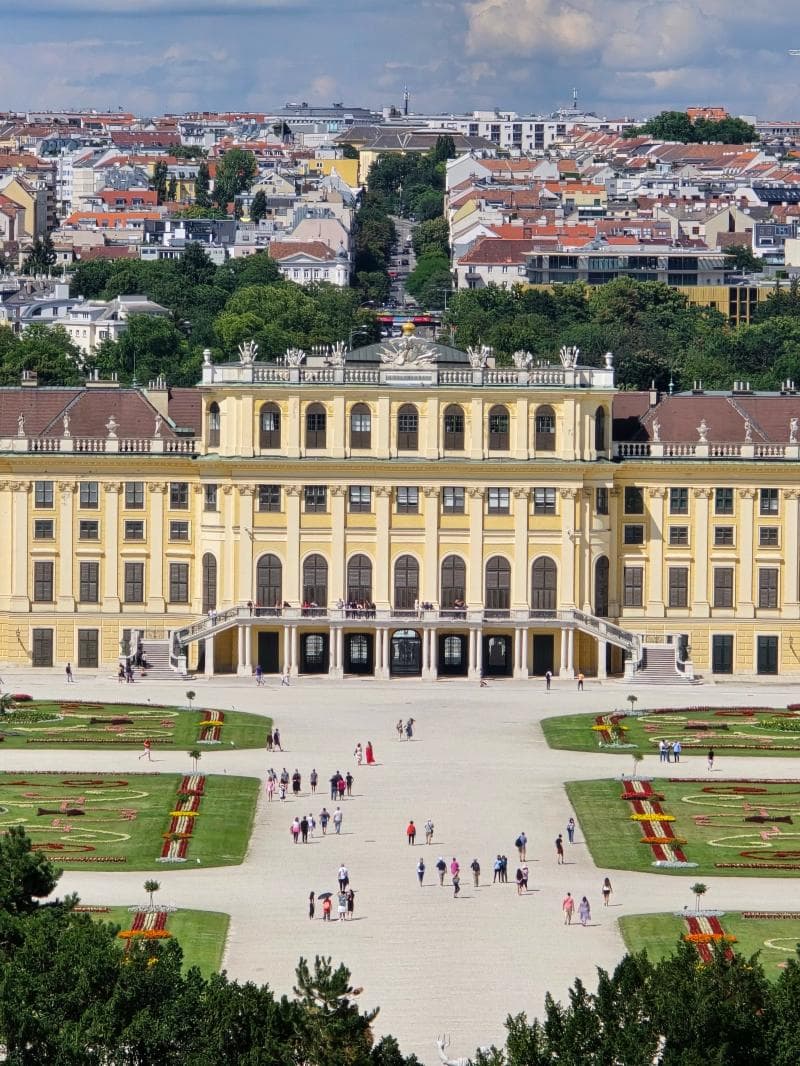
Discover the Hall of Mirrors in Schönbrunn Palace, Vienna, Austria. Explore its Rococo splendor, imperial history, and Mozart's performance.
Overview
Step into the radiant world of the Hall of Mirrors, or 'Spiegelsaal', a dazzling highlight within the magnificent Schönbrunn Palace in Vienna, Austria. This elegant, approximately 40-meter-long gallery, with its unique Rococo design, offers visitors a captivating glimpse into the opulent lifestyle of the Habsburg imperial family. Renowned for its tall, strategically placed mirrors, the hall creates an extraordinary illusion of infinite space, reflecting light and grandeur throughout the room.
Schönbrunn Palace itself, a UNESCO World Heritage site, served as the primary summer residence for the Habsburg rulers, standing as a monumental testament to Austrian Baroque architecture and cultural heritage. The Hall of Mirrors is not merely a passage but a destination, embodying the artistic and political aspirations of an empire.
History & Cultural Background
The Hall of Mirrors took its current form during the mid-18th century, a period marked by significant transformations under Empress Maria Theresa. Commissioned after 1743, the palace underwent extensive redesigns, guided by court architect Nicolaus Pacassi, who infused the earlier Baroque structures with Rococo refinement. This room was conceived as a quintessential state room, central to the imperial court's ceremonial life.
Historically, the Hall of Mirrors played a crucial role in the social and political fabric of the Habsburg monarchy. It was the setting for grand receptions, lavish banquets, and significant political gatherings, reflecting the power and prestige of the dynasty. Centuries later, in the 19th century, Emperor Franz Joseph continued to utilize this splendid space, notably holding public audiences here every Monday and Thursday. These brief but frequent encounters allowed subjects to present petitions or express gratitude, cementing the hall's place in the daily life of the empire.
What Makes It Special
What truly sets Schönbrunn's Hall of Mirrors apart is its masterful design, a perfect blend of high Baroque and Rococo styles. The polished white surfaces and gilt décor of the wooden paneling, combined with the large mirrors, were specifically engineered to reflect candlelight to magnificent effect, illuminating the room with a magical glow during evening festivities. The elaborate gilded stucco work, ornate parquet flooring, and sparkling crystal chandeliers all contribute to a 'Gesamtkunstwerk' – a total work of art – where every element harmonizes to create an immersive imperial showcase.
Unlike the monumental scale of the Hall of Mirrors at Versailles, Schönbrunn's version is often described as more intimate. Its slightly smaller dimensions and lighter, more refined Rococo aesthetics fostered closer interactions between the emperor and his court, aligning with Vienna's unique blend of ceremony and sociability. The careful placement of mirrors directly opposite tall windows enhances the feeling of boundless space, turning the room into a dynamic interplay of light and reflection.
Stories, Fun Facts & Local Details
Perhaps the most enchanting story associated with the Hall of Mirrors involves a young musical prodigy. In 1762, a six-year-old Wolfgang Amadeus Mozart performed before Empress Maria Theresa within this very hall. This momentous occasion was a significant early highlight in Mozart's illustrious career, cementing his reputation in imperial circles. According to his proud father, Leopold Mozart, after the performance, 'Wolferl leapt onto Her Majesty's lap, flung his arms around her neck and covered her with kisses.' Such an intimate and joyful anecdote brings the grand historical space to vivid life.
Another fascinating detail stems from Emperor Franz Joseph's reign. His regular public audiences in the Hall of Mirrors contributed to his development of a remarkable memory for people, a facility he retained into old age. The palace's expansive nature is also noteworthy; with 1,441 rooms, Schönbrunn was a self-contained world, though only a select few are accessible to the public. The Hall of Mirrors stands as one of the most evocative among them, a silent witness to centuries of imperial life, political maneuvering, and cultural brilliance.
Visitor Perspective
Visiting the Hall of Mirrors is an unforgettable journey into Austria's imperial past. As you step into this breathtaking room, you're not just observing historical artifacts; you're immersing yourself in the very atmosphere where emperors, empresses, and renowned figures once walked. The Hall captures the essence of Vienna as a vital cultural and political capital, a place where art, music, and diplomacy seamlessly converged.
The feeling of grandeur, reflected endlessly in the mirrors, allows for a powerful connection to the stagecraft behind a mighty empire. It’s a highlight of any Schönbrunn Palace tour, offering a tangible sense of royal luxury and historical depth. While photography without flash is generally permitted in many areas of Schönbrunn Palace, it is always wise to check for specific restrictions within certain exhibitions or rooms. Experiencing the Hall of Mirrors firsthand provides a unique understanding of the Habsburgs' legacy, transforming a simple visit into a truly meaningful historical exploration.
Coordinates: 16.311865, 48.184516
View on Google Maps💬 How Travelers Describe This Place
Based on community votes
Photogenic
910Interesting
755Must See
481Beautiful
183Unique
28
Traveler Stories
Discover memorable experiences shared by travelers who have visited this place.
No traveler stories yet.
Be the first traveler to share what made this place memorable.

Tour
By
Spot
Discover amazing places around the world. Your journey starts here.
Explore
© 2026 TourBySpot. All rights reserved.