Tiergarten Zoo
Vienna, Austria
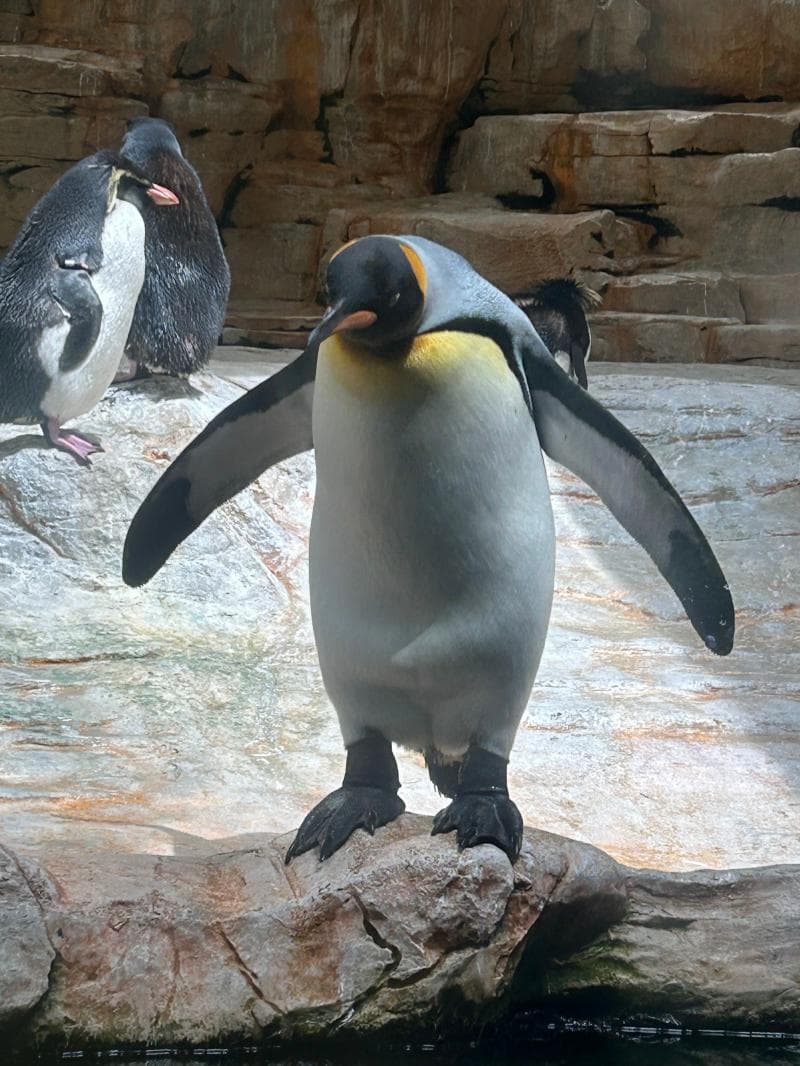
Explore Tiergarten Schönbrunn, the world's oldest zoo, located within Vienna, Austria's Schönbrunn Palace gardens. Discover history, unique animals, and conservation.
Overview
Nestled within the magnificent Schönbrunn Palace gardens in Vienna, Austria, lies Tiergarten Schönbrunn, widely recognized as the world's oldest continuously operating zoo. More than just an animal park, it is a living historical monument, seamlessly blending imperial grandeur with cutting-edge animal care and conservation efforts. Spanning 17 hectares, this UNESCO World Heritage site invites visitors on a captivating journey through diverse ecosystems, housing a remarkable collection of species from across the globe.
History & Cultural Background
The story of Tiergarten Schönbrunn began in 1752, when Emperor Francis I, husband of Empress Maria Theresa, founded it as a royal menagerie. Initially, it served as a private collection for the Habsburg imperial family, showcasing exotic animals as symbols of wealth and influence. The original layout, radiating from the central Baroque Imperial Pavilion, still hints at its regal origins, with the pavilion now serving as a charming restaurant. A significant shift occurred in 1779 when the menagerie was opened to the public, reflecting the Enlightenment's growing emphasis on scientific inquiry and public education. This move transformed it from a private curiosity into a place where the general populace could learn about the natural world, a progressive idea for its time. Over the centuries, it evolved from a traditional menagerie to a modern zoological garden, consistently adapting its approach to animal welfare and education.
What Makes It Special
Tiergarten Schönbrunn holds a unique place in the world for several reasons. As the oldest zoo still in operation, it offers an unparalleled historical perspective on zoological institutions. Its location within the imperial Schönbrunn Palace gardens, a UNESCO World Heritage site itself, provides an atmosphere of unparalleled beauty and cultural significance. The zoo has received international acclaim, frequently being ranked as the best zoo in Europe. Beyond its historical charm, the zoo is a leader in species conservation, participating in numerous breeding programs for endangered animals and supporting global initiatives. Visitors can encounter a vast array of animals, including the highly sought-after giant pandas, polar bears, Siberian tigers, and orangutans, housed in thoughtfully designed, naturalistic enclosures such as the Polar Bear World and the Rainforest House.
Stories, Fun Facts & Local Details
The zoo's long history is rich with fascinating tales. Did you know that Emperor Francis I initially expressed a dislike for housing carnivorous animals due to the unpleasant odors? This perhaps explains some of the early collection's focus. The zoo was also home to some of the world's first elephant births in a zoological garden. In a charming local detail, the Schönbrunn Gibbons are known for their impressive twelve-meter 'flights' and vocalizations that can be heard far beyond their enclosure. A unique discovery even happened within its grounds: a new species of snail was found in the Rainforest House and subsequently named 'Schwammeria rumbangensis' after Harald Schwammer, a zoo zoologist involved in its research. These stories add depth to the visitor's experience, connecting the present-day attractions to a vibrant past and a dedication to scientific exploration.
Visitor Perspective
For the curious traveler, Tiergarten Schönbrunn offers more than just a casual stroll. It is an immersive experience where you can witness hundreds of species in environments designed to mimic their natural habitats. From the Arctic landscapes of Polar Bear World to the lush greenery of the Rainforest House, each exhibit provides a window into the animal kingdom. The zoo functions as an important educational center, fostering an understanding and appreciation for wildlife and conservation efforts. Many visitors appreciate the seamless blend of historic Baroque architecture with modern, expansive animal enclosures, creating a unique ambiance found nowhere else. It's a place where families can spend an entire day, captivated by feeding times and the sheer diversity of life. The commitment to animal welfare is evident, and your visit directly contributes to ongoing conservation projects, making it a meaningful outing in Vienna.
Coordinates: 16.30439, 48.18173
View on Google Maps💬 How Travelers Describe This Place
Based on community votes
Photogenic
965Must See
894Beautiful
862Unique
443Interesting
184
Traveler Stories
Discover memorable experiences shared by travelers who have visited this place.
No traveler stories yet.
Be the first traveler to share what made this place memorable.

Tour
By
Spot
Discover amazing places around the world. Your journey starts here.
Explore
© 2026 TourBySpot. All rights reserved.