National Museum Of Mongolia
Ulaanbaatar, Mongolia
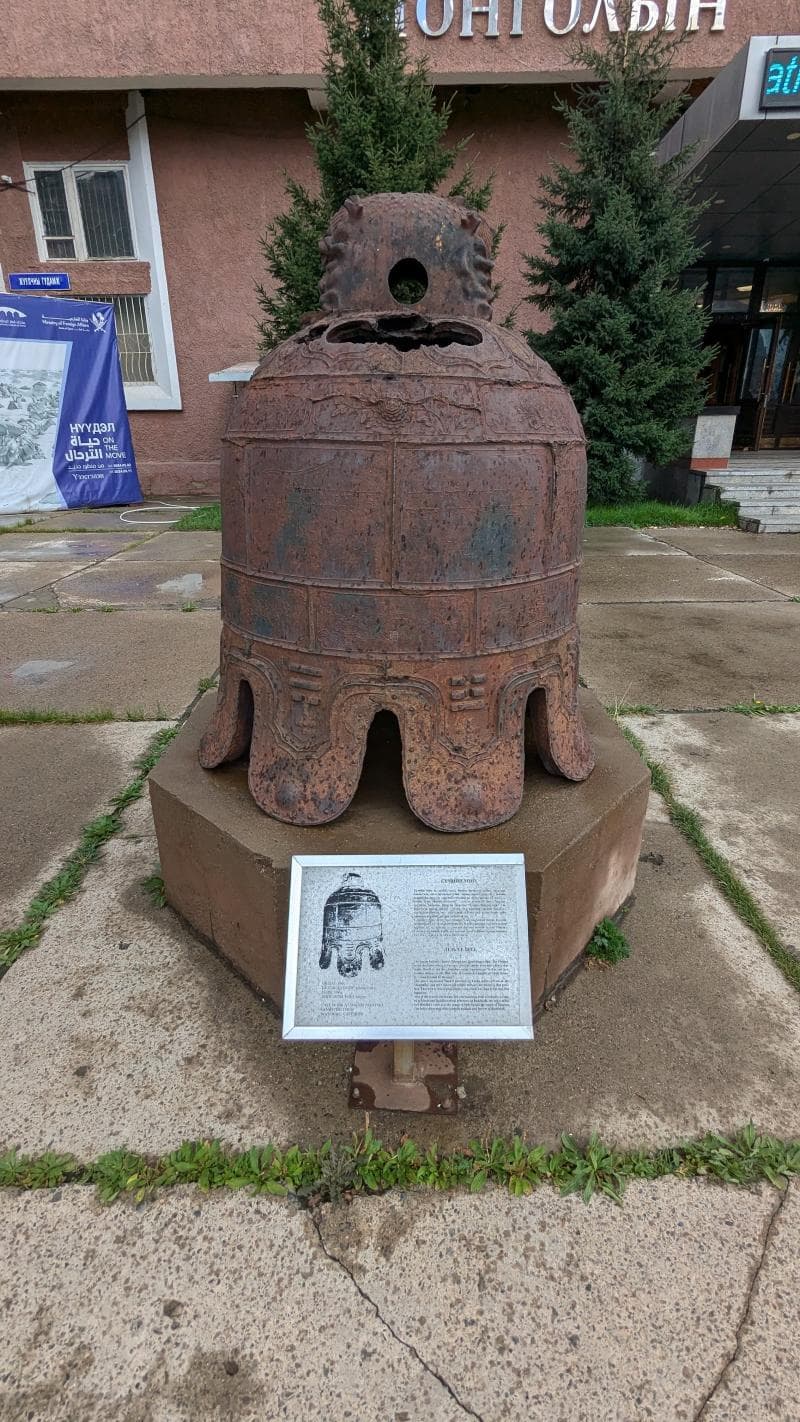
Explore the National Museum of Mongolia in Ulaanbaatar. Discover ancient artifacts, Mongol Empire history, traditional costumes, and nomadic culture.
Overview
The National Museum of Mongolia in Ulaanbaatar stands as the country's largest and most comprehensive repository of Mongolian history and culture. It serves as an essential destination for anyone seeking to understand the nation's rich past, from its prehistoric origins to its modern democratic era. Housing a vast collection of over 56,000 to 57,000 historical, archaeological, and ethnographical artifacts, the museum offers a sweeping narrative across nine or ten thematic halls. Its exhibits provide an unparalleled overview, showcasing the evolution of Mongolian society, art, and traditions over millennia.
History & Cultural Background
The institutional roots of the National Museum of Mongolia stretch back to 1924 when the initial collections for a national museum were first gathered. Notable early contributors included both Russian scholars like Pyotr Kozlov and American researcher Roy Chapman Andrews, who played a role in shaping its foundational displays. During Mongolia's socialist period, various historical, ethnographical, and natural history collections were centralized in the State Central Museum, which was established in 1956. The building that the National Museum of Mongolia occupies today was originally constructed in 1971 as the Museum of Revolution. A significant restructuring occurred in 1991 when the historical, archaeological, and ethnographical departments of the State Central Museum merged with the Museum of the Revolution. This unified entity was then officially renamed the National Museum of Mongolia in April 2008, signifying its expanded mandate to preserve and interpret the entirety of Mongolian heritage.
What Makes It Special
What truly sets the National Museum of Mongolia apart is its extraordinary breadth, providing a chronological journey through the entire sweep of Mongolian history. Visitors can explore ancient stone tools dating back 800,000 BCE, artifacts from the Bronze and Iron Ages, and evidence of early nomadic states like the Hunnu, Turkic, Uighur, and Kidan. The museum dedicates substantial sections to the awe-inspiring Mongol Empire, featuring relics related to Chinggis Khan and his successors, including state banners, military equipment, and items excavated from the ancient capital of Karakorum.
Beyond military might, the museum excels in its ethnographic displays. It boasts a superb collection of traditional clothing, intricate jewelry, and accessories representing more than 20 of Mongolia's diverse ethnic groups. These range from elaborate state ceremonial attire to everyday seasonal dresses and unique items like snuff bottles. The exhibits beautifully illustrate the nomadic lifestyle, showcasing a fully furnished 'ger' (traditional yurt), tools for cattle breeding, hunting, and agriculture, as well as culturally significant items like ancient manuscripts, musical instruments, and artifacts related to the national Naadam Festival. The museum also vividly portrays Mongolia's struggle for independence from Manchu rule and its subsequent socialist and democratic transformations.
Stories, Fun Facts & Local Details
The museum itself embodies a fascinating narrative of national identity. Its transformation from the Museum of Revolution to the National Museum of Mongolia mirrors the country's own shift from a socialist state to a vibrant democracy. For those with a keen eye for pop culture, Lonely Planet suggests that the museum's display of traditional Mongolian ceremonial costumes might have even inspired some character designs in the Star Wars prequels, adding a whimsical layer to the historical garments. The museum's commitment extends beyond its walls; it actively engages in international archaeological projects, such as the 'Mon-Sol' initiative with the National Museum of Korea, and has organized joint exhibitions abroad, helping to share Mongolia's rich heritage with a global audience.
Among the countless artifacts, some hold particularly captivating stories. Visitors can see D. Sükhbaatar's hollow horsewhip, famously used to conceal a secret letter from the Bogd Khan in 1920, a testament to revolutionary intrigue. Another unique display is the flight suit of Jügderdemidiin Gurragchaa, the first Mongolian cosmonaut, marking Mongolia's foray into space exploration. Perhaps one of the most historically significant items is a genuine 13th-century letter bearing the seal of Guyuk Khan, sent to Pope Innocent IV in 1246, showcasing the vast diplomatic reach of the Mongol Empire.
Visitor Perspective
For any traveler embarking on an exploration of Mongolia, a visit to the National Museum is highly recommended as an invaluable starting point. It provides crucial context and a deep understanding of the country's traditions and nomadic way of life that can enhance experiences throughout your journey. The museum generally operates daily, though hours may vary seasonally; for instance, summer hours might extend until 7:00 PM, while winter hours may conclude earlier, typically around 6:00 PM, with last entry often 30-90 minutes prior to closing. Admission fees apply, with discounts often available for students and children under 16 usually granted free entry. For those wishing to capture memories, a photography surcharge is in place, and it's important to note that photography is prohibited for certain designated exhibits. To enrich your visit, English audio guides are available, and all exhibits are clearly labeled in both Mongolian and English, ensuring accessibility for international visitors. Visitors typically find that dedicating two to three hours allows for a thorough and enriching exploration of its extensive collections. The museum kindly reminds visitors to maintain a respectful atmosphere by refraining from speaking loudly, running, eating, drinking, or smoking inside the exhibition halls. The museum is conveniently located at Juulchin Street-1, Ulaanbaatar.
Coordinates: 106.9154, 47.9208
View on Google Maps💬 How Travelers Describe This Place
Based on community votes
Beautiful
799Interesting
424Photogenic
234Must See
181Unique
30
Traveler Stories
Discover memorable experiences shared by travelers who have visited this place.
No traveler stories yet.
Be the first traveler to share what made this place memorable.
Things to see at National Museum Of Mongolia



Tour
By
Spot
Discover amazing places around the world. Your journey starts here.
Explore
© 2026 TourBySpot. All rights reserved.