Cultural Heritage Sections
Ulaanbaatar, Mongolia
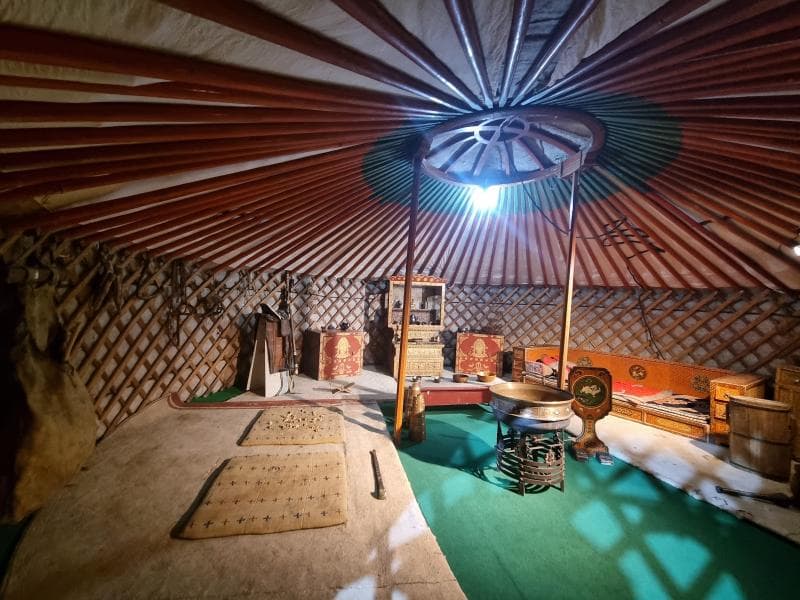
Explore the Cultural Heritage Sections of the National Museum of Mongolia in Ulaanbaatar, showcasing rich traditions and history.
Overview
The National Museum of Mongolia in Ulaanbaatar stands as a vibrant repository of the nation's profound history and rich cultural legacy. As the country's leading museum, it meticulously preserves and exhibits over 57,000 artifacts, offering visitors an immersive journey from the Stone Age through to the modern era. The 'Cultural Heritage Sections' within this impressive institution are particularly captivating, dedicated to showcasing the enduring traditions, artistic expressions, and daily life of the diverse Mongolian people across millennia.
These sections are not merely displays of objects; they are windows into the soul of a nomadic civilization, revealing the ingenuity and resilience that have shaped Mongolia's identity. From ancient tools to elaborate ceremonial attire, each exhibit tells a part of the grand narrative of Mongolian heritage, ensuring that the wisdom and beauty of ancestral ways are celebrated and understood by contemporary audiences.
History & Cultural Background
The origins of the National Museum of Mongolia trace back to 1924, with its current iteration, renamed in 2008, being housed in a building originally constructed in 1971. Its mission has always been to document the continuous story of the Mongolian plateau, reflecting how different epochs have influenced its cultural tapestry.
The cultural heritage exhibits are deeply rooted in Mongolia's long history of nomadic pastoralism, a lifestyle that necessitated adaptability and a deep connection to the land. This background profoundly influenced the development of unique traditions, from housing in gers (yurts) to distinctive clothing styles and spiritual practices. The museum's halls dedicated to traditional culture and life illustrate the evolution of these practices, offering insights into the daily routines, spiritual beliefs, and social structures of Mongolian communities throughout history. They highlight the intricate relationship between the people, their environment, and the rich cultural expressions born from this dynamic.
What Makes It Special
What truly sets the Cultural Heritage Sections apart is their comprehensive and intimate portrayal of Mongolian identity. Hall 3, for instance, is a visual feast, displaying an outstanding collection of traditional costumes and jewelry from Mongolia's more than twenty ethnic groups. Visitors can marvel at the intricate details of ceremonial attire, seasonal dresses, and exquisite silver ornaments, some of which weigh between 20 to 25 kilograms.
Beyond attire, Hall 5, dedicated to Mongolian Traditional Culture, illuminates the spiritual and artistic dimensions of nomadic life. It features a range of items from spiritual manuscripts and scriptures to traditional musical instruments, most famously the 'morin khuur' or horse-head fiddle, whose soulful sound is synonymous with Mongolian identity. The inclusion of traditional games and toys, alongside artifacts related to the national Naadam Festival, brings a tangible sense of celebration and community to the exhibits.
Moreover, the section on Traditional Life (Hall 6) offers a peek into a fully furnished ger, complete with tools for cattle-breeding, hunting, and agriculture. This provides a tangible connection to the practicalities and poetry of nomadic existence, allowing visitors to visualize life on the steppe.
Stories, Fun Facts & Local Details
Imagine gazing upon a Khalkh Mongol's outrageous headgear, or the elaborate silverwork of the Dariganga minority, each piece telling a story of artistry and status. The collection of costumes, many dating from the 10th to 20th centuries, reveals not just fashion trends but also the unique cultural markers that differentiated the various ethnic groups.
A fun fact often shared is the inspiration some of these traditional costumes, with their rich textures and distinctive silhouettes, provided for character designs in popular culture, such as the Star Wars prequels. Beyond the visual, the museum delves into the shamanist heritage of Mongolia, highlighting the ancient belief systems prevalent among groups like the Darkhad and Tsaatan. This offers a profound glimpse into the spiritual foundations that shaped early Mongolian culture. The horse-head fiddle, a cherished instrument, is not just musical; its very name and form embody the deep reverence Mongolians have for horses, integral to their nomadic survival and identity.
The Naadam Festival exhibits offer a narrative of national pride, showcasing the 'three manly games' of wrestling, archery, and horse racing, which are central to Mongolian identity and celebrated annually with great fervor.
Visitor Perspective
For any curious traveler, a visit to the Cultural Heritage Sections of the National Museum of Mongolia is an enriching experience, offering an unparalleled overview of Mongolian culture. The exhibits are thoughtfully curated with labels in both Mongolian and English, making the extensive information accessible to a global audience.
To enhance the experience, audio guides are available, and guided tours in English can be booked in advance for groups. While photography is generally permitted, a fee is sometimes required, and certain delicate exhibits may have 'no photo' restrictions to preserve them for future generations. This ensures that every visitor can appreciate the beauty and significance of Mongolia's cultural treasures in a respectful and informative environment. The museum provides an excellent foundation for understanding the country, whether it's the start or culmination of a Mongolian adventure.
Coordinates: 106.9154, 47.9208
View on Google Maps💬 How Travelers Describe This Place
Based on community votes
Beautiful
545Must See
343Interesting
211Photogenic
74Unique
20
Traveler Stories
Discover memorable experiences shared by travelers who have visited this place.
No traveler stories yet.
Be the first traveler to share what made this place memorable.

Tour
By
Spot
Discover amazing places around the world. Your journey starts here.
Explore
© 2026 TourBySpot. All rights reserved.