Dinosaur Exhibits
Ulaanbaatar, Mongolia
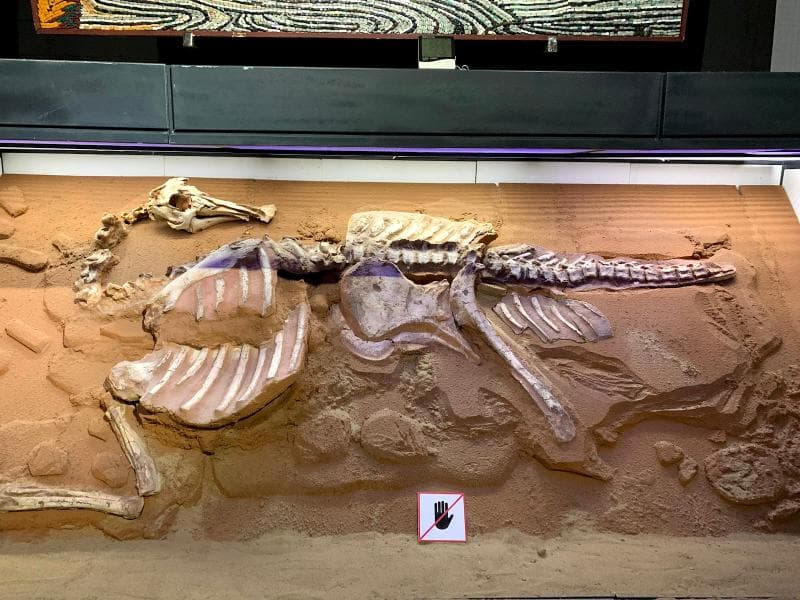
Explore Mongolia's dinosaur exhibits at the National Museum of Natural Sciences in Ulaanbaatar, featuring the Tarbosaurus bataar and other Gobi Desert finds.
Overview
For any traveler fascinated by Earth's prehistoric past, the Dinosaur Exhibits in Ulaanbaatar offer an unparalleled journey back in time. While often associated with the larger historical institutions, the most significant collection of dinosaur fossils in Mongolia is housed within the National Museum of Natural Sciences of Mongolia, rather than the National Museum of Mongolia. This specialized museum is a treasure trove of paleontological wonders, showcasing spectacular skeletal remains and fossils primarily from the Cretaceous Period, many unearthed from Mongolia's renowned Gobi Desert. Visitors to this museum can expect to encounter some of the most scientifically significant dinosaur discoveries ever made, presented with care to illuminate the ancient history of this remarkable land.
History & Cultural Background
Mongolia's connection to dinosaurs dates back to the early 20th century, cementing its reputation as a 'dinosaur graveyard.' The pioneering expeditions led by Roy Chapman Andrews of the American Museum of Natural History in the 1920s first brought global attention to the rich fossil beds of the Gobi Desert, particularly at sites like the Flaming Cliffs (Bayanzag). Despite initially searching for evidence of early human life, Andrews' team stumbled upon dinosaur eggs and several new species, forever changing the course of paleontological research.
Subsequent decades saw numerous joint paleontological expeditions, including those by Russian-Mongolian teams in the 1940s and Polish-Mongolian teams in the 1960s and 70s, which continued to unearth an astounding array of fossils. These discoveries have been crucial for understanding dinosaur evolution and behavior. Unfortunately, Mongolia's rich fossil heritage also became a target for illegal smuggling. The establishment and growth of museums dedicated to these finds, such as the National Museum of Natural Sciences (which incorporated the former Central Museum of Mongolian Dinosaurs in 2019), have been bolstered by international efforts to repatriate stolen fossils. These repatriations are not just about reclaiming national treasures; they signify a global commitment to preserving scientific and cultural heritage.
What Makes It Special
What truly sets Mongolia's dinosaur exhibits apart, particularly at the National Museum of Natural Sciences, is the authenticity and exceptional preservation of its specimens. Unlike many museums that display casts, a significant portion of the fossils here are original. The highlight for many is the nearly complete skeleton of Tarbosaurus bataar, a formidable relative of the Tyrannosaurus rex, which roamed the Gobi Desert approximately 65 to 70 million years ago. This particular specimen has a fascinating history, having been illegally smuggled out of the country and later successfully repatriated, making its display a symbol of national pride.
Beyond the Tarbosaurus, the museum boasts other iconic finds, such as an Oviraptor specimen, and even baby dinosaurs still within their nests. These fossils offer rare glimpses into the life cycles and behaviors of these ancient creatures. The museum's collection provides an unparalleled opportunity to witness some of the best-preserved and most diverse dinosaur fossils in the world.
Stories, Fun Facts & Local Details
The Gobi Desert is often called a 'dinosaur paradise' or 'dinosaur graveyard' due to the sheer volume and quality of its fossil discoveries. Out of approximately 500 identified dinosaur species worldwide, around 80 have been found in Mongolia. One of the most famous and dramatic discoveries is the 'Fighting Dinosaurs' fossil, unearthed in 1971, which captures a Velociraptor locked in combat with a Protoceratops, both seemingly buried instantly by a sand dune during their struggle.
Another intriguing tale surrounds the Oviraptor. Originally named 'egg thief' because it was found near a nest of Protoceratops eggs, later discoveries revealed that the eggs actually belonged to the Oviraptor itself, suggesting nurturing parental behavior more akin to modern birds. More recently, new species continue to be identified, such as Khankhuuluu mongoliensis, or the 'Dragon Prince of Mongolia,' discovered from 86-million-year-old skeletons and believed to be a close ancestor of all tyrannosaurs.
Visitor Perspective
Visiting the dinosaur exhibits in Ulaanbaatar is an enriching experience for all ages, offering a tangible connection to prehistoric times. The museum provides clear explanations, often in both Mongolian and English, making the complex science of paleontology accessible to a broad audience. The sheer scale of some of the complete skeletons, like the Tarbosaurus, is awe-inspiring, while the intricate details of smaller fossils, like dinosaur eggs and nests, invite close examination. It's a place where children and adults alike can marvel at the natural wonders of Mongolia's past and gain a deeper appreciation for the country's unique contribution to our understanding of life on Earth. The displays are meticulously arranged, inviting contemplation on the vastness of geological time and the incredible creatures that once roamed the Earth where modern Mongolia now stands.
Coordinates: 106.9057, 47.9234
View on Google Maps💬 How Travelers Describe This Place
Based on community votes
Beautiful
804Unique
733Must See
563Interesting
404Photogenic
336
Traveler Stories
Discover memorable experiences shared by travelers who have visited this place.
No traveler stories yet.
Be the first traveler to share what made this place memorable.

Tour
By
Spot
Discover amazing places around the world. Your journey starts here.
Explore
© 2026 TourBySpot. All rights reserved.