Traditional Clothing Hall
Ulaanbaatar, Mongolia
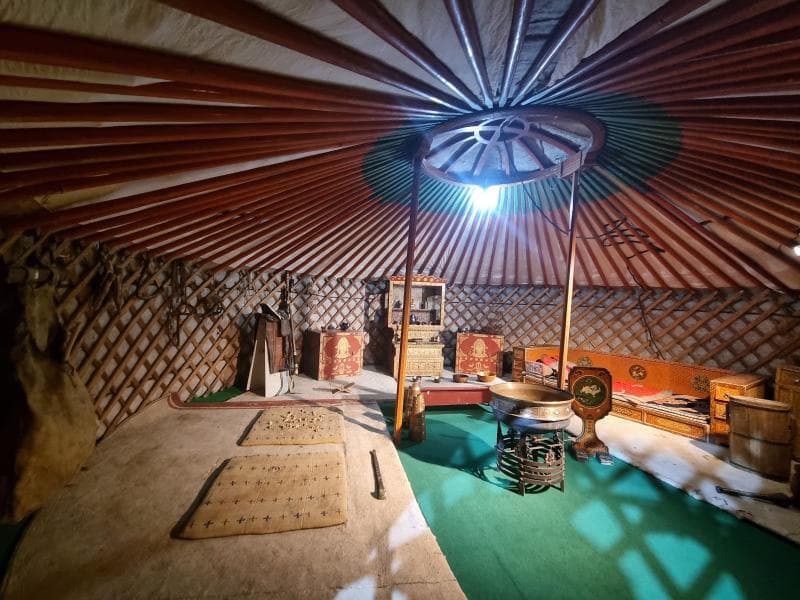
Explore the Traditional Clothing Hall at the National Museum of Mongolia in Ulaanbaatar, showcasing centuries of diverse ethnic attire and ornaments.
Overview
The Traditional Clothing Hall, known formally as the 'Mongolian Traditional Costume and Ornaments' exhibition, is a vibrant and essential part of the National Museum of Mongolia in Ulaanbaatar. Located as Hall 3 within the museum, this sub-spot offers a captivating journey through centuries of Mongolian attire. It showcases a rich collection of traditional clothes and accessories from Mongolia's diverse ethnic groups, reflecting the nation's profound cultural heritage. Visitors are invited to explore the intricate details and significant stories woven into each garment, providing a unique window into the nomadic spirit and identity of Mongolia.
This dedicated hall is home to costumes, jewelry, and accessories spanning from the 10th to the 20th centuries. It features state ceremonial attire, seasonal dresses, and everyday wear for both men and women, demonstrating the adaptability and artistry of Mongolian fashion. The exhibition not only presents these beautiful artifacts but also provides context on how clothing distinguished individuals by age, gender, social position, and ethnic group.
History & Cultural Background
Mongolian traditional clothing is a testament to the enduring relationship between its people and their challenging environment. Shaped by Mongolia's vast steppes, extreme temperatures, and nomadic way of life, traditional garments had to be both practical and symbolic. The 'deel', a long, calf-length robe fastened at the side with a sash, stands as the quintessential Mongolian garment, worn by both men and women. Its design has remained largely unchanged for centuries, perfectly suited for horseback riding and protection against the harsh climate.
The clothing traditions evolved to serve practical needs, utilizing materials like heavy wool, leather, and sheepskin for winter, and silk or cotton for milder seasons or ceremonial occasions. Beyond practicality, every stitch, color, and pattern carried deep cultural meaning, signifying the wearer's rank, tribe, marital status, and even their role within a family. This rich symbolism became a visual language, deeply embedded in the garments.
What Makes It Special
The Traditional Clothing Hall is special due to its comprehensive display of the apparel of Mongolia's more than 20 ethnic groups. Each group, with its unique living conditions and traditions, developed distinctive patterns and designs, all of which are beautifully represented here. The exhibition proudly presents state ceremonial attire, along with a wide array of seasonal clothing and meticulously crafted ornaments. Items on display include exquisite jewelry, elaborate headwear, and various accessories that complete each traditional ensemble.
The collection offers a rare opportunity to witness the evolution of Mongolian costume from the 10th century through to the early 20th century. Visitors can observe the subtle yet significant differences in clothing worn by various ethnic groups, and how these garments were not merely functional but also artistic expressions of identity and heritage. The attention to detail in the embroidery, the choice of fabrics, and the adornments like silver, coral, amber, and turquoise reflect a high level of craftsmanship and cultural pride.
Stories, Fun Facts & Local Details
Mongolian clothing is a tapestry of stories, with every element carrying symbolic weight. For instance, traditional hats are particularly rich in meaning; some iconic Khalkh hat designs feature 32 vertical stitches representing 32 Mongolian tribes united, a red button symbolizing the sun, and a black flap representing defeated enemies. Headwear also indicated social status, gender, and even marital status, with specific elaborate styles traditionally reserved for unmarried women.
The colors used in garments are far from arbitrary; blue represents the eternal sky, red signifies prosperity and celebration, yellow or gold is linked to nobility and Buddhist influence, and green symbolizes harmony with nature. Even the boots, known as 'gutal', have an interesting feature: their upturned toes. This design served a practical purpose, preventing a rider's foot from slipping out of the stirrup, and also holds a cultural explanation linked to Buddhist principles of avoiding harm to living things underfoot.
Visitor Perspective
Stepping into the Traditional Clothing Hall is like walking through a living history book, offering a profound appreciation for Mongolia's cultural resilience. The carefully curated displays, often accompanied by informative English labels, ensure that visitors can fully grasp the significance behind each exhibit. The sheer variety and beauty of the costumes are striking, providing a visual feast that immerses you in the nomadic aesthetic. It's an opportunity to connect with the traditions that have shaped the Mongolian people for centuries, understanding how clothing serves not just as protection, but as a powerful symbol of identity, community, and heritage. This hall is a must-visit for anyone seeking a deeper understanding of Mongolia's unique and vibrant cultural tapestry.
Coordinates: 106.91536, 47.92084
View on Google Maps💬 How Travelers Describe This Place
Based on community votes
Interesting
639Photogenic
526Beautiful
421Unique
366Must See
212
Traveler Stories
Discover memorable experiences shared by travelers who have visited this place.
No traveler stories yet.
Be the first traveler to share what made this place memorable.

Tour
By
Spot
Discover amazing places around the world. Your journey starts here.
Explore
© 2026 TourBySpot. All rights reserved.