Ancient Artifacts
Ulaanbaatar, Mongolia
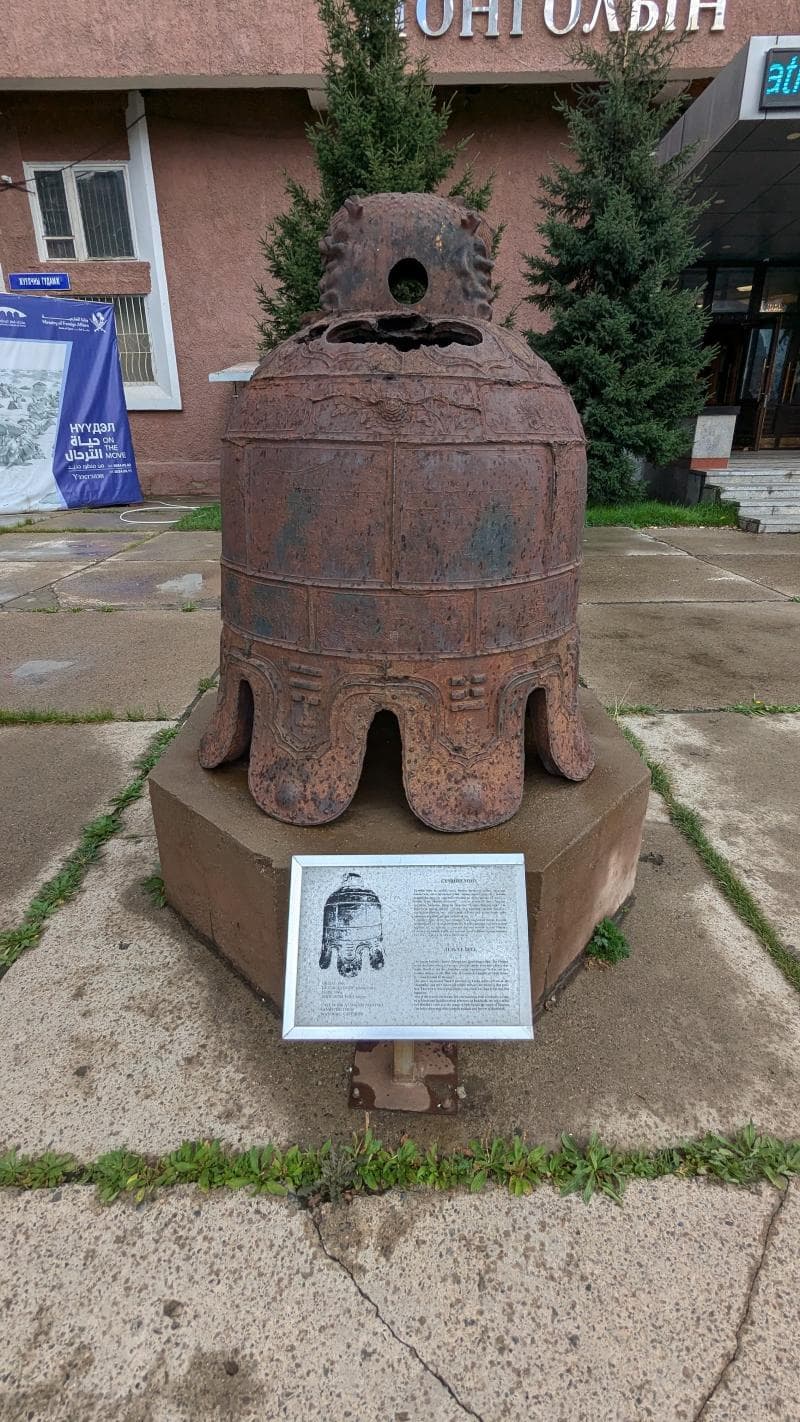
Explore ancient artifacts at the National Museum of Mongolia in Ulaanbaatar, tracing millennia of nomadic history and culture. Discover prehistoric tools, Hunnu treasures, and Turkic empires.
Overview
Stepping into the National Museum of Mongolia in Ulaanbaatar is like traversing a time tunnel, particularly when exploring its 'Ancient Artifacts' sub-spot. This premier cultural institution serves as a crucial guardian of Mongolia's rich past, housing a staggering collection of over 56,000 historical, archaeological, and ethnographic objects that span from the Paleolithic era to the end of the 20th century. The ancient artifacts section specifically immerses visitors in the profound depths of Mongolia's prehistoric and early state periods, offering tangible connections to the nomadic peoples who shaped this vast land. It's a journey through millennia, revealing the ingenuity, artistry, and resilience of ancient Mongolian civilizations.
History & Cultural Background
The story of ancient Mongolia, as told through the museum's artifacts, begins approximately 800,000 years ago with the earliest evidence of human presence in the region. The museum dedicates its first hall to the Prehistory of Mongolia, showcasing stone tools and objects from the Paleolithic, Mesolithic, Neolithic, Bronze, and Early Iron Ages. These meticulously preserved items, often recovered from archaeological digs, illustrate the technological advancements and daily lives of prehistoric peoples, including petroglyphs and early bronze implements like helmets and hunting knives.
Following this prehistoric narrative, the second hall delves into the era of Ancient States, charting the rise and fall of political entities on Mongolian territory from the 3rd century BCE to the 12th century CE. This includes powerful nomadic empires such as the Hunnu (Xiongnu), Turkic, Uighur, and Liao (Khidan) states. Artifacts from these periods provide insight into their sophisticated social structures, military prowess, and cultural exchanges. Notable finds from the Hunnu period, such as felt carpets, jade ornaments, and the 'Golden Sun and Moon' emblem, reveal a rich artistic tradition and intricate craftsmanship. The Turkic period is represented by impressive gold and silver ornaments, including the golden crown of Bilge Khan, a silver deer ornament, and the ancient Altai harp, showcasing the opulence and skill of these early nomadic empires.
What Makes It Special
What truly sets the 'Ancient Artifacts' collection apart is its ability to vividly portray the origins of Mongolian statehood and cultural identity. It's not just a display of old objects; it's a narrative woven from the very fabric of time. The sheer chronological breadth, spanning hundreds of thousands of years, offers a unique perspective on human development and adaptation in the harsh yet beautiful Mongolian steppe. The collection uniquely highlights the nomadic heritage that underpins Mongolian civilization, from early pastoralism to the sophisticated empires that once commanded vast territories. The archaeological treasures, such as the elaborate finds from the Shoroon Bumbagar mausoleum or the iconic deer stones, are not merely relics but powerful symbols of a continuous cultural lineage. The museum's dedication to presenting these findings, many unearthed through ongoing archaeological projects, makes it an invaluable resource for understanding the foundations of a distinct and enduring culture.
Stories, Fun Facts & Local Details
Among the countless stories these artifacts tell, the 'deer stones' stand out as enigmatic monuments from the Bronze and Early Iron Ages. These ancient stelae, often adorned with carvings of flying deer and other animals, are thought to mark burial sites or serve ritualistic purposes, offering a glimpse into the spiritual world of early Mongolians. Another fascinating detail comes from the Hunnu period. While many significant Hunnu artifacts are housed in international museums, the National Museum of Mongolia proudly displays later findings from important sites like Noyon Uul, giving context to this foundational nomadic empire. The discovery of a fully untouched aristocrat's tomb from the ancient Uyghur tribe at Shoroon Bumbagar, yielding hundreds of gold, silver, and wooden artifacts, underscores the archaeological richness of Mongolia and the ongoing revelations that deepen our understanding of its past. These artifacts are more than historical records; they are windows into the daily lives, beliefs, and artistic expressions of people who lived on these lands long ago, from their tools and ceremonial items to their precious jewelry.
Visitor Perspective
For any curious traveler, a visit to the 'Ancient Artifacts' section of the National Museum of Mongolia offers an unparalleled opportunity for cultural immersion. You'll walk through halls that narrate the epic saga of a land and its people, from the earliest stone tool users to the powerful Khans of ancient states. The thoughtfully curated exhibits, often accompanied by English descriptions, allow for a comprehensive understanding of each period. It's a chance to marvel at the intricate craftsmanship of golden crowns and delicate silver ornaments, to ponder the mysteries of petroglyphs, and to appreciate the enduring legacy of nomadic life. The experience is designed to be both educational and emotionally resonant, connecting visitors directly to the ancestral spirit and rich heritage that defines Mongolia. Prepare to be transported to a time when empires rose and fell, and a unique culture took root on the vast steppes of Central Asia.
Coordinates: 106.91536, 47.92084
View on Google Maps💬 How Travelers Describe This Place
Based on community votes
Unique
539Photogenic
517Must See
424Interesting
251Beautiful
234
Traveler Stories
Discover memorable experiences shared by travelers who have visited this place.
No traveler stories yet.
Be the first traveler to share what made this place memorable.

Tour
By
Spot
Discover amazing places around the world. Your journey starts here.
Explore
© 2026 TourBySpot. All rights reserved.