Museum Of Applied Arts
Tashkent, Uzbekistan
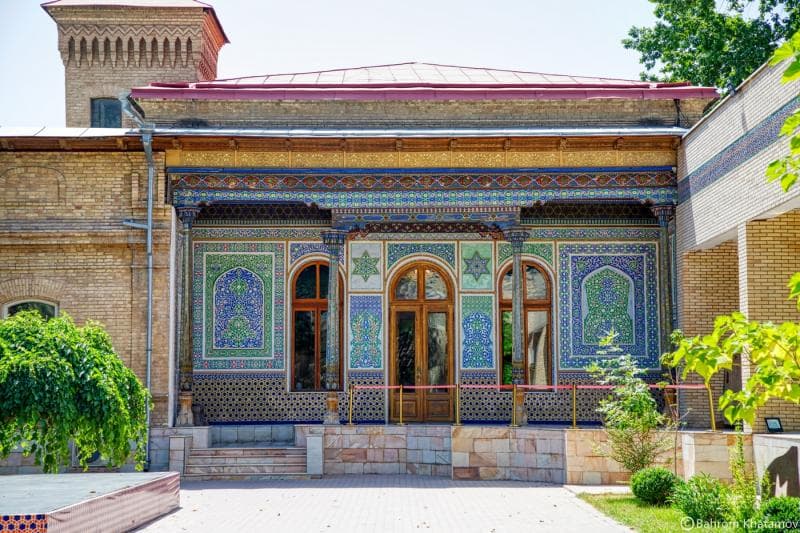
Discover the State Museum of Applied Arts in Tashkent, Uzbekistan, a treasure trove of traditional crafts and stunning architecture.
Overview
Nestled in the heart of Tashkent, Uzbekistan, the State Museum of Applied Arts offers a captivating journey through the rich artistic traditions of Central Asia. Housed within a stunning 19th-century mansion, the museum itself is a masterpiece of Uzbek architectural and decorative art, providing an immersive setting for its remarkable collection. It stands as a vibrant testament to the enduring craftsmanship of the Uzbek people, showcasing a diverse array of handicrafts that tell stories of centuries-old skills and cultural identity.
The museum's extensive collection features over 7,000 pieces of applied art, spanning from the early 19th century to the present day. Visitors can explore exquisite examples of ceramics, intricate woodcarvings, dazzling jewelry, vibrant textiles like ikat and suzani, and delicate gold embroidery. Each exhibit reflects the artistry and heritage of various regional schools of craftsmanship from across Uzbekistan.
History & Cultural Background
The story of the Museum of Applied Arts begins with a temporary exhibition of Uzbek masters' works in 1927, which proved so popular it eventually led to the establishment of the Handicrafts Museum in 1937. The museum found its permanent home in a truly special building – the former palace of Russian diplomat Alexander Polovtsev Jr. Built in the late 19th century, around 1870 or 1907 depending on sources, Polovtsev, a keen admirer of local craftsmanship, commissioned master artisans from Bukhara, Samarkand, Khiva, and Fergana to adorn his residence.
The palace itself is a breathtaking example of Oriental architectural and decorative art. Its interiors boast exquisite wood carvings, vibrant ganch (carved plaster) painting, and dazzling mosaics of glazed terracotta tiles. The central hall, designed as a traditional 'mehmonkhona' or guest room, features a square layout with four columns and a decorative mihrab, echoing the aesthetics of a mosque. This blend of traditional Uzbek design within a diplomatic residence makes the building an exhibit in its own right, preserving the aesthetic principles of a bygone era.
Over the years, the museum underwent several transformations and name changes, reflecting shifts in cultural policy. After the Russian Revolution, the building served varied roles, including an orphanage and workshops for carving and embroidery. In 1997, it was officially granted the status of the State Museum of Applied Arts of Uzbekistan under the Ministry of Culture.
What Makes It Special
What truly sets this museum apart is its harmonious fusion of a magnificent architectural setting with an exceptional collection. The building's intricate decoration, crafted by renowned Uzbek folk artists, creates an authentic atmosphere that transports visitors to another time. The exhibits are thoughtfully categorized, showcasing how applied arts have evolved through ancient traditions, 19th-century methods, and contemporary expressions.
The museum provides a comprehensive overview of Uzbekistan's diverse craft schools. You'll witness the distinct characteristics of ceramics from Rishtan, the intricate gold embroidery from Bukhara, the iconic ikat textiles of Margilan, and the unique skullcaps and knives from Chust. The collection is meticulously preserved, offering some of the best-quality and most well-maintained examples of Uzbek applied arts, often accompanied by insightful explanations that illuminate their cultural significance.
Stories, Fun Facts & Local Details
The palace's original owner, Alexander Polovtsev, was a Russian diplomat known for his deep appreciation of Uzbek culture. He deliberately sought out the finest local masters from different regions to decorate his home, creating a unique synthesis of regional styles under one roof. It's said that his personal collection forms the very core of the museum's initial holdings.
Imagine the grand 'mehmonkhona' (guest room) where Polovtsev would have received visitors. This central hall is a highlight, with its awe-inspiring ganch carvings, some featuring over 200 ornamental motifs. A fun detail is the mihrab, a prayer niche often found in mosques, which here serves a purely decorative purpose, illustrating the architectural influences. Don't miss the famous 'Yulduz' (Star) gold-embroidered panel, a testament to the collective skill of many craftswomen. Another fascinating aspect is the tradition of suzani embroidery, where each piece was often created by a bride for her dowry, carrying personal stories and cultural meaning for her future home. Ask the staff about the climate-controlled drawers behind the Soviet-era lift, which reportedly house hundreds of suzani design cartoons, revealing the meticulous process behind these textile masterpieces.
Visitor Perspective
For any curious traveler in Tashkent, the Museum of Applied Arts is an essential stop to grasp the vibrant soul of Uzbek artistry. Located at 15 Rakatboshi Street, it is easily accessible in the city center. The museum is open daily from 9:00 a.m. to 6:00 p.m., with the cash desk closing an hour earlier. Most visitors find that allocating about two hours provides ample time to explore the captivating exhibits and admire the building's stunning architecture.
While the nearest metro station is Kosmonavtlar, a short taxi ride from there is recommended for convenience. The museum also features two gift shops where you can purchase authentic, high-quality handicrafts made by contemporary Uzbek artisans, offering a tangible piece of this rich cultural heritage to take home. Consider opting for the audio guide, which many visitors find particularly insightful for understanding the detailed displays and their historical context. Whether you're a history enthusiast, an art lover, or simply a traveler seeking deeper cultural understanding, this museum offers an enriching and unforgettable experience.
Coordinates: 69.1534, 41.1803
View on Google Maps💬 How Travelers Describe This Place
Based on community votes
Must See
886Beautiful
564Unique
201Interesting
121Photogenic
87
Traveler Stories
Discover memorable experiences shared by travelers who have visited this place.
No traveler stories yet.
Be the first traveler to share what made this place memorable.
Things to see at Museum Of Applied Arts



Tour
By
Spot
Discover amazing places around the world. Your journey starts here.
Explore
© 2026 TourBySpot. All rights reserved.