Traditional Jewelry
Tashkent, Uzbekistan
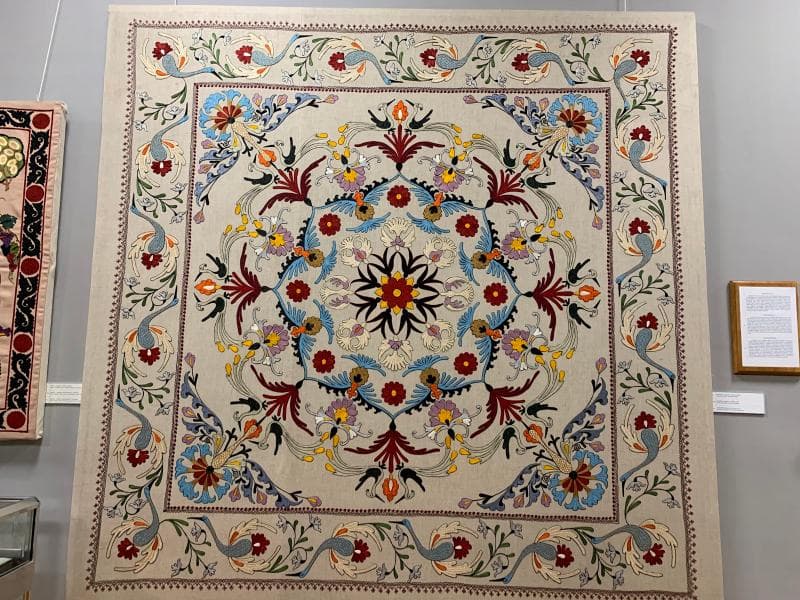
Explore traditional Uzbek jewelry at the Museum of Applied Arts in Tashkent, Uzbekistan, and uncover centuries of artistry and cultural symbolism.
Overview
Stepping into the Traditional Jewelry section of the Museum of Applied Arts in Tashkent, Uzbekistan, is like opening a treasure chest filled with centuries of history and culture. This dedicated sub-spot within the larger museum offers a captivating glimpse into the rich artistry and profound symbolism embedded in Uzbek traditional adornments. Housed in the stunning former palace of Russian diplomat Alexander Polovtsev Jr., the museum itself is a masterpiece of late 19th-century Uzbek architecture, providing an ideal backdrop for these exquisite displays.
The Museum of Applied Arts, established in 1937, boasts an extensive collection of over 7,000 to 10,000 pieces of applied art, with traditional jewelry forming a significant and particularly dazzling part of its twenty themed collections. Visitors will discover a vast array of silver and gold pieces, intricately crafted and often adorned with vibrant gemstones, reflecting the diverse regional schools of Uzbek craftsmanship. From delicate earrings to elaborate bridal headpieces, each exhibit tells a story of heritage, belief, and the skilled hands that brought them to life.
History & Cultural Background
Uzbek traditional jewelry is far more than mere decoration; it is a profound expression of a rich cultural legacy, with roots stretching back to ancient times. Archaeological findings indicate that inhabitants of this region have been working with precious metals and stones for millennia, shaping them into ornaments with deep spiritual meaning.
By the 19th century, jewelry making in Uzbekistan had reached a golden age, with cities like Bukhara, Khiva, and Tashkent emerging as renowned centers of this intricate craft. The pieces on display in the museum date primarily from the 19th century to the present day, showcasing the evolution and enduring traditions of Uzbek 'zargars' (jewelry masters). Traditionally, jewelry played a crucial role in society, communicating the wearer's social status, wealth, marital status, and even their region of origin.
An Uzbek proverb wisely states, 'Do not show your own mother to your father without jewelry,' highlighting the deep cultural significance and integral role these adornments played in daily life and ceremonial events.
What Makes It Special
The Traditional Jewelry collection distinguishes itself through the sheer artistry and symbolic depth of each piece. Uzbek jewelers masterfully employed silver as their primary metal, often incorporating a dazzling array of semi-precious and precious stones such as rubies, emeralds, sapphires, pearls, turquoise, jasper, and corals.
One of the most enchanting aspects is the spiritual dimension woven into almost every traditional adornment. Many pieces served as amulets or talismans, believed to shield the wearer from evil spirits, ward off the 'evil eye', and bring good fortune. For example, the carnelian stone, known as 'hakik', was highly revered for its supposed ability to bring happiness, health, and protection. Pearls were often valued for their healing powers.
The meticulous craftsmanship is evident in techniques like filigree and intricate metalwork. The integration of blue enamelwork, particularly from the Bukhara school, is also a notable feature, mirroring the region's iconic blue-tiled architecture.
Stories, Fun Facts & Local Details
Beyond their beauty, traditional Uzbek jewels carry fascinating stories and local beliefs. Imagine a bride on her wedding day, adorned with up to 10 kilograms of jewelry, each piece symbolizing fertility, devotion, and protection for her new life. Young girls would wear brighter and more elaborate jewelry, signifying their youth and hope.
A unique and compelling type of jewelry is the 'tumor' or 'ta'wiz', small silver amulet cases, often triangular or cylindrical, attached to necklaces or belts. These weren't just decorative; they were believed to hold protective prayers, snippets of hair, a pinch of salt, or even secret notes from a beloved.
Headwear like the 'tillya-kosh', a golden or gilded bridal crown richly incrusted with colorful stones and pendants, and 'usma-tilla' diadems, designed to repeat the shape of the eyebrows, showcased incredible artistry and cultural significance. The choice of stone and design was never arbitrary; geometric patterns might symbolize the infinity of life, while plant motifs represented fertility and a connection to nature.
Visitor Perspective
As you wander through the well-curated halls, you'll feel transported to a bygone era, gaining a deeper appreciation for the Uzbek people's artistic heritage. The Traditional Jewelry section is a highlight for many, offering a visual feast of sparkling metals and vibrant stones. The exhibits are thoughtfully presented, allowing curious travelers to observe the fine details and understand the cultural context behind each piece.
The museum's setting in the beautifully decorated Polovtsev palace enhances the experience, as the building's own architectural splendor complements the art within. This sub-spot is particularly recommended for those interested in the history of decorative arts, cultural symbolism, and the enduring traditions of craftsmanship. It's a place where every glimmer and gleam has a story to tell, inviting you to connect with the soul of Uzbekistan through its dazzling adornments.
Coordinates: 69.1534, 41.1803
View on Google Maps💬 How Travelers Describe This Place
Based on community votes
Interesting
836Photogenic
797Unique
255Must See
231Beautiful
86
Traveler Stories
Discover memorable experiences shared by travelers who have visited this place.
No traveler stories yet.
Be the first traveler to share what made this place memorable.

Tour
By
Spot
Discover amazing places around the world. Your journey starts here.
Explore
© 2026 TourBySpot. All rights reserved.