Suzani Embroidery Hall
Tashkent, Uzbekistan
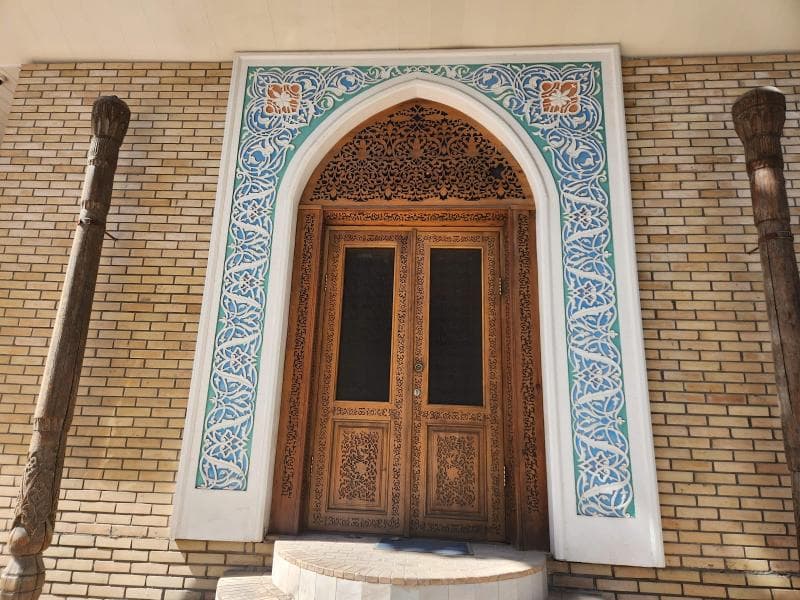
Discover the vibrant Suzani Embroidery Hall at the Museum Of Applied Arts in Tashkent, Uzbekistan, showcasing centuries of textile art.
Overview
Nestled within the ornate architecture of the Museum Of Applied Arts in Tashkent, Uzbekistan, the Suzani Embroidery Hall offers a vibrant journey into one of Central Asia's most cherished textile traditions. This dedicated space showcases an exquisite collection of Suzani embroideries, ranging from the 19th and 20th centuries to more contemporary examples. It is a highlight of the museum, itself a treasure trove of Uzbek decorative arts, housed in the former residence of a Russian diplomat, Alexander Alexandrovich Polovtsov Jr.. Visitors stepping into the hall are immediately enveloped in a world of intricate patterns, rich colors, and stories stitched into fabric, reflecting the profound cultural heritage of Uzbekistan.
History & Cultural Background
The art of Suzani, derived from the Persian word 'suzan' meaning 'needle,' refers to large, hand-embroidered textile panels that originated in Central Asian countries, particularly Uzbekistan, Tajikistan, and Kazakhstan. These delicate pieces boast a tradition that stretches back centuries, though few examples prior to the late 18th or early 19th centuries survive. Historically, Suzanis were not merely decorative items; they were deeply personal and functional objects, integral to nomadic life and significant family events. Inside traditional yurts, they served as protective panels, bed coverings, or prayer mats.
Culturally, Suzani played a pivotal role in Central Asian society, primarily as part of a bride's dowry. Young women, often aided by their mothers, grandmothers, and other female relatives, would meticulously embroider these pieces over months, sometimes years, to be presented to the groom on the wedding day. These textiles symbolized fertility, luck, protection, and blessings for the newlywed couple, embodying wishes for love, children, and harmony. The designs chosen would often reflect the bride's personality, family history, and cultural heritage, making each Suzani a unique narrative.
What Makes It Special
The Suzani Embroidery Hall stands out within the Museum Of Applied Arts for its exceptional display of these vibrant textiles. The museum's collection, comprising thousands of pieces of applied art, features a significant number of Suzanis, showcasing their regional diversity and artistic evolution. What makes these embroideries truly special is their intricate craftsmanship: hand-stitched with silk or cotton threads on a cotton or silk base, often utilizing chain, satin, and buttonhole stitches.
The motifs found on Suzanis are rich in symbolism and visual storytelling. Common designs include lush floral patterns, swirling medallions, sun and moon disks, pomegranates, leaves, and various flowers like tulips, carnations, and irises. Each element carries meaning, representing prosperity, fertility, and protection. The hall offers an opportunity to observe the distinct styles that emerged from different regions, such as the larger, simpler patterns with deep red rose garlands found in Samarkand Suzanis, or the delicate sprays of flowers and central stars characteristic of Nurata pieces. The intricate detail of gold-thread wedding dresses and indigo-dyed totems specifically mentioned as being on display underscores the hall's unique offerings.
Stories, Fun Facts & Local Details
Every Suzani has a story, a testament to the hands that created it and the life it was meant to adorn. Imagine a young bride-to-be, surrounded by her female relatives, meticulously stitching hopes and dreams into every loop and line of her dowry Suzani. This communal activity was not just about craft; it was a powerful social act, connecting generations and preserving cultural knowledge.
A fascinating detail is how Suzanis were often made in several pieces, allowing multiple women to work on different sections simultaneously before being stitched together to form the complete textile. This collaborative process often led to subtle variations in style or stitch within a single piece, making each Suzani truly one-of-a-kind. Some motifs, like the sun and moon disks, are believed to carry ancient symbolism, potentially reflecting influences from Zoroastrian traditions, where the sun represents truth and wisdom. Even seemingly simple elements, like two small coffee pots or ewers for rose water in Nurata Suzanis, symbolize hospitality, prosperity, and joy. The museum itself was once the grand palace of a Russian diplomat who filled his home with local handicrafts, a legacy that forms the very core of the museum's collection today.
Visitor Perspective
Visiting the Suzani Embroidery Hall within the Museum Of Applied Arts is an immersive cultural experience. As you wander through the beautifully decorated rooms of the former Polovtsov residence, with its ornate ceilings and carved details, the building itself becomes part of the exhibition. The hall provides an excellent introduction to Uzbekistan's rich artistic traditions, offering clear explanations and historical context for these intricate textiles.
You'll gain a deeper appreciation for the skill and artistry involved in creating each Suzani, understanding not just its aesthetic beauty but also its profound cultural significance. The sheer volume and diversity of the embroidery on display allow for a comparative study of regional styles and techniques, revealing the subtle nuances that make each piece unique. For any traveler interested in the artistic soul and cultural heritage of Uzbekistan, the Suzani Embroidery Hall is an unmissable destination, offering a tangible connection to generations of craftsmanship and storytelling.
Coordinates: 69.1534, 41.1803
View on Google Maps💬 How Travelers Describe This Place
Based on community votes
Photogenic
791Interesting
457Unique
252Must See
147Beautiful
19
Traveler Stories
Discover memorable experiences shared by travelers who have visited this place.
No traveler stories yet.
Be the first traveler to share what made this place memorable.

Tour
By
Spot
Discover amazing places around the world. Your journey starts here.
Explore
© 2026 TourBySpot. All rights reserved.