Textile Exhibits
Tashkent, Uzbekistan
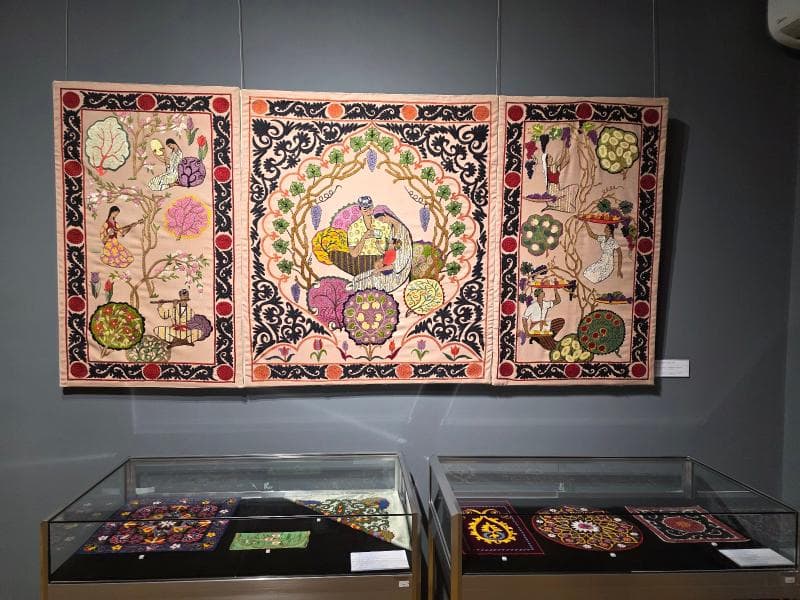
Explore the rich Textile Exhibits at the Museum of Applied Arts in Tashkent, Uzbekistan, showcasing centuries of Uzbek artistry and cultural heritage.
Overview
Nestled in the heart of Tashkent, Uzbekistan, the State Museum of Applied Arts offers a captivating journey into the country's rich artistic heritage. While the entire museum is a treasure trove of craftsmanship, its 'Textile Exhibits' stand out as a vibrant testament to Uzbek cultural identity and centuries-old traditions. Housed within a beautifully ornamented late 19th-century palace, the museum itself is a work of art, featuring intricate wood carvings and ganch work that set a magnificent stage for the displays within. The textile collection, a significant portion of the museum's more than 7,000 artifacts, invites visitors to explore a world where fabric is not merely material, but a canvas for stories, beliefs, and artistic expression.
These exhibits showcase a diverse array of hand-embroidered textiles, including the renowned suzani, vibrant ikat fabrics, traditional skullcaps known as tyubeteykas, and exquisite carpets. Each piece on display reflects the skill and artistry of Uzbek artisans, offering a deep insight into the regional distinctions and evolving styles that have characterized Uzbek textiles from the 19th century to the present day.
History & Cultural Background
The history of the Museum of Applied Arts dates back to 1927, when it began as an exhibition of Uzbek artists' works. It found its permanent home and evolved, eventually gaining state status in 1997. The building itself, a former palace of Russian diplomat Alexander Polovtsev, was constructed in the late 19th century and exemplifies Oriental architectural and decorative art, with its interiors crafted by leading Uzbek folk artists from various regions. This historical setting imbues the textile exhibits with an added layer of authenticity, presenting them within an environment that echoes the grandeur and artistic traditions they represent.
Uzbekistan's location along the historic Silk Road profoundly influenced its textile arts, fostering a vibrant exchange of techniques, motifs, and materials. The textile exhibits beautifully narrate this legacy, featuring items that span from the first half of the 19th century through contemporary works. The collection is categorized to highlight works rooted in ancient traditions, pieces from the second half of the 19th century reflecting traditional craftsmanship, and modern creations inspired by contemporary decorative arts, allowing visitors to trace the evolution of these artistic forms.
What Makes It Special
The 'Textile Exhibits' are particularly special due to the exceptional craftsmanship and the profound cultural narratives woven into each thread. A highlight is the collection of suzani, large hand-embroidered panels traditionally crafted from cotton or silk, often adorned with symbolic motifs. These were not just decorative; every girl would embroider her own suzani as part of her dowry, with patterns encoding wishes for fertility, protection, and prosperity, making each piece a personal and cultural heirloom.
Another mesmerizing feature is the display of ikat fabrics. These textiles are renowned for their distinctive soft, blurred patterns, achieved through a complex resist-dyeing technique applied to the threads before weaving. This meticulous process demands exceptional skill and patience, resulting in patterns that possess a unique fluidity and vibrancy. The museum also showcases rare silk carpets, some of which took a year or more to create, once considered extraordinary luxuries, and traditional tyubeteykas, or skullcaps, each design reflecting a specific regional heritage.
What truly sets these exhibits apart is their ability to demonstrate the regional distinctions within Uzbek textile art. Pieces from Tashkent, Samarkand, Bukhara, and other regions reveal unique color palettes, preferred motifs, and compositional styles, providing an 'education in Uzbek geography told entirely through objects.'
Stories, Fun Facts & Local Details
Beyond their aesthetic beauty, the textiles in the Museum of Applied Arts are imbued with fascinating stories and local significance. Consider the chapan, traditional robes displayed in the museum. The fabric, embroidery style, and cut of a chapan once conveyed a person's region, age, and social status, acting as a sartorial identifier. Similarly, the intricate designs on tyubeteykas are not merely decorative but often carry symbolic meanings, reflecting the community and heritage of the wearer.
A fun fact is that many of the techniques showcased in the museum are not relics of the past but are still actively practiced by Uzbek artisans today, demonstrating a living heritage. The museum effectively chronicles the development of artistic talent and craft labor, providing a tangible link to the generations of artisans who have kept these traditions alive. The blurriness in ikat patterns, for instance, known as 'abr-bandi,' is not a flaw but a celebrated characteristic, giving these textiles their ethereal, dream-like quality.
Visitor Perspective
For a curious traveler, the 'Textile Exhibits' offer an immersive and enriching experience. The displays are thoughtfully arranged, often with English descriptions, to guide visitors through the evolution of cultural creativity, highlighting specialized techniques and regional artistic expressions. Wandering through the galleries, visitors can appreciate not only the individual beauty of each textile but also the collective narrative they tell about Uzbekistan's history, culture, and the enduring spirit of its people. The sheer volume and diversity of the collection, encompassing a wide range of textile types and regional schools, ensure that there is always something new and inspiring to discover.
The museum's setting within the former Polovtsev palace enhances the visit, as the building's own ornate architecture complements the artistry of the exhibits. It feels less like a sterile institution and more like a vibrant, living space where art and history converge. It is an ideal place to understand the skill, heritage, and symbolism embedded in everyday objects, showcasing centuries-old techniques passed down through generations that remain a proud part of modern Uzbek culture.
Coordinates: 69.1534, 41.1803
View on Google Maps💬 How Travelers Describe This Place
Based on community votes
Must See
950Beautiful
287Photogenic
255Unique
231Interesting
86
Traveler Stories
Discover memorable experiences shared by travelers who have visited this place.
No traveler stories yet.
Be the first traveler to share what made this place memorable.

Tour
By
Spot
Discover amazing places around the world. Your journey starts here.
Explore
© 2026 TourBySpot. All rights reserved.