Ceramic Collections
Tashkent, Uzbekistan
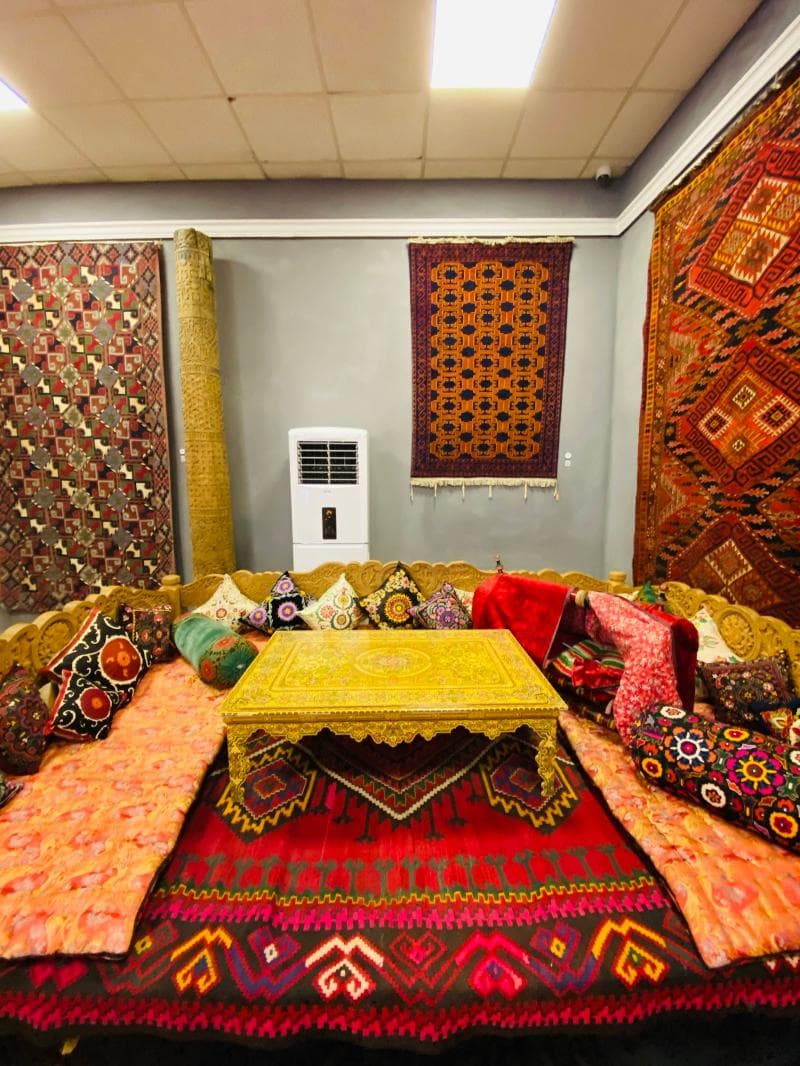
Explore the rich Ceramic Collections at the Museum of Applied Arts in Tashkent, Uzbekistan, showcasing millennia of intricate pottery and vibrant artistic traditions.
Overview
Nestled within the exquisite architectural marvel of the Museum of Applied Arts in Tashkent, Uzbekistan, the Ceramic Collections offer a captivating journey through centuries of Uzbek artistic tradition. This dedicated section showcases the rich history and diverse regional styles of ceramic art, a craft deeply interwoven with the cultural fabric of Uzbekistan. Visitors encounter a breathtaking array of pottery, from ancient utilitarian vessels to elaborately decorated masterpieces, each piece telling a story of skilled hands and vibrant cultural exchange. The collection provides a window into the evolution of forms, glazes, and decorative motifs that have defined Uzbek ceramics for over two millennia.
The Museum of Applied Arts itself is housed in a stunning late 19th-century palace, originally the residence of Russian diplomat Alexander Polovtsev Jr. The building’s ornate interiors, adorned with intricate wood carvings and ganch (carved plaster) work by local artisans, provide a fitting backdrop for the treasures within, enhancing the overall immersive experience for any curious traveler. The ceramic hall, often described as serene yet impactful, contains works that reflect the unique characteristics of various Uzbek pottery schools.
History & Cultural Background
The history of Uzbek ceramics stretches back more than 2,000 years, with archaeological findings tracing its origins to antiquity, particularly along the Great Silk Road. This ancient trade route was not only a conduit for goods but also a vibrant exchange of techniques and artistic influences, allowing Uzbek artisans to integrate Persian, Chinese, and Arab elements into their designs.
Ceramic production in Uzbekistan was initially driven by practical needs, with artisans creating household items for daily use, such as large containers for food and water, jugs, and even tandoor ovens. However, it quickly evolved into a sophisticated art form. Over centuries, distinct regional pottery schools emerged, each developing its own unique aesthetic, passed down through generations within families of master potters. Centers like Rishtan in the Fergana Valley, Gijduvan in the Bukhara Region, Khiva, Khorezm, and Samarkand became renowned for their characteristic styles. These traditions faced periods of decline, particularly during Russian control due to the influx of commercial goods, but experienced a significant revival during the Soviet era with the formation of art collectives dedicated to preserving and developing the craft.
What Makes It Special
What truly sets the Ceramic Collections apart is their comprehensive representation of Uzbekistan's diverse pottery traditions. The museum proudly displays works from nearly all significant ceramic centers across the republic. Visitors can discern the striking differences and subtle nuances between regional styles.
For instance, Rishtan ceramics are instantly recognizable by their vivid blue *ishkor* glaze, derived from a unique desert plant, and adorned with delicate floral and geometric motifs inspired by nature. In contrast, Gijduvan pottery often features earthy tones, strong patterns, and profound symbolism, preserving ancient techniques through family lineages. Meanwhile, ceramics from Khiva and Khorezm are known for their deep turquoise and white palettes, frequently seen in architectural tiles. The collection includes iconic pieces such as *lyagan* (large serving dishes), *kosa* (bowls), and decorative vases, alongside unique terracotta items and even ceramic toys.
Beyond the individual pieces, the very setting of the collection within the former Polovtsev palace elevates the experience. The harmonious blend of the building's historical Uzbek architecture with the artistic exhibits creates an atmosphere where the art truly comes alive, allowing guests to appreciate the craftsmanship in a culturally authentic environment.
Stories, Fun Facts & Local Details
Uzbek ceramics are more than just decorative items; they are storytellers. The patterns and motifs intricately painted or carved onto each piece often carry deep cultural meanings. For example, the pomegranate symbolizes abundance and life, birds represent freedom and happiness, and spirals and vines signify growth and eternity. These symbols reflect the values and spiritual beliefs deeply ingrained in Uzbek culture, turning everyday objects into canvases of philosophical expression.
A fascinating local detail is the secret of the *ishkor* glaze. This unique, naturally derived glaze, particularly famous in Rishtan pottery, gives the ceramics their distinctive blue-green hues that are unmatched anywhere else. The meticulous process of preparing the clay, shaping it on a potter's wheel, firing, glazing, and re-firing has been perfected over centuries, with masters often passing down their knowledge from father to son or grandfather to grandson. Each piece often bears the subtle mark of its maker, connecting the viewer directly to the artisan's individual skill and artistry.
The museum itself has an interesting past; after the Russian Revolution, the Polovtsev house served various roles, including an orphanage, before becoming the precursor to the current museum in 1937. This transformation from a private residence to a public cultural institution adds another layer of historical intrigue to the experience.
Visitor Perspective
For any traveler with an interest in art, history, or simply the beauty of handcrafted items, the Ceramic Collections at the Museum of Applied Arts offer a deeply enriching experience. Walking through the dedicated ceramics hall, one can't help but feel a profound connection to the artisans who shaped these pieces with such care and precision. The detailed English descriptions accompanying many exhibits provide valuable context, allowing visitors to appreciate the regional decorative styles and the historical significance of each artifact.
The collections are thoughtfully organized, showcasing the evolution of ceramic art from ancient times to contemporary works, highlighting how traditional techniques continue to inspire modern artists. The sheer volume and diversity of the pieces, from the bold blues of Rishtan to the earthy tones of Gijduvan, create a visual feast. It's a place where you can spend hours admiring the intricate patterns, vibrant colors, and unique forms, gaining a tangible understanding of Uzbekistan's enduring artistic heritage and the craftsmanship that has flourished here for millennia. It truly is a journey through 'living history' where every shard and every glaze tells its own unique story.
Coordinates: 69.1534, 41.1803
View on Google Maps💬 How Travelers Describe This Place
Based on community votes
Must See
836Beautiful
797Photogenic
695Interesting
396Unique
286
Traveler Stories
Discover memorable experiences shared by travelers who have visited this place.
No traveler stories yet.
Be the first traveler to share what made this place memorable.

Tour
By
Spot
Discover amazing places around the world. Your journey starts here.
Explore
© 2026 TourBySpot. All rights reserved.