Courtyard Garden
Tashkent, Uzbekistan
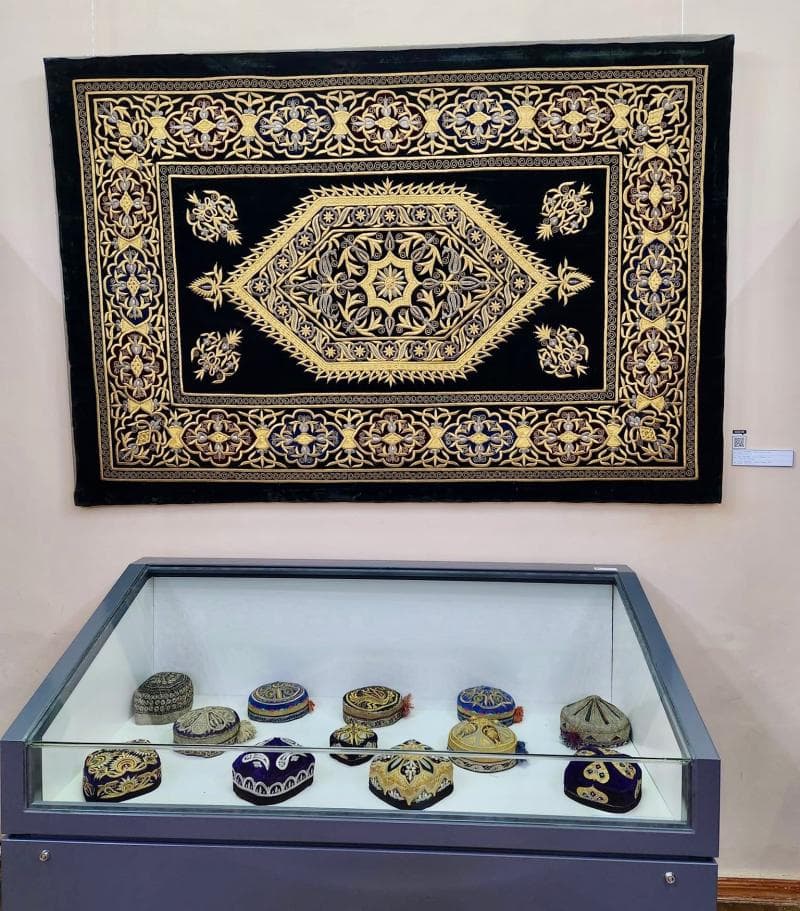
Explore the Courtyard Garden of the Museum of Applied Arts in Tashkent, Uzbekistan. Discover its rich history, stunning Uzbek architecture, and cultural significance.
Overview
Nestled within the vibrant city of Tashkent, Uzbekistan, the Courtyard Garden of the Museum of Applied Arts offers a tranquil and historically rich experience. This enchanting space is the heart of what was once the opulent residence of Imperial Russian diplomat Alexander Polovtsev, a man deeply enamored with Uzbek craftsmanship and architecture. Today, the museum stands as one of Tashkent's premier cultural attractions, and its central courtyard is a captivating introduction to the country's artistic heritage.
Visitors stepping into this meticulously preserved courtyard are immediately greeted by the beautifully restored facade of the main building, a testament to late 19th-century Oriental architectural and decorative art. The Courtyard Garden isn't merely an outdoor area; it is an integral part of the museum's narrative, inviting travelers to pause, reflect, and absorb the intricate beauty that surrounds them before delving into the extensive collections housed within. It truly feels like an exquisite space filled with exotic charm, offering a seamless blend of traditional architecture and artistry.
History & Cultural Background
The story of the Museum of Applied Arts, and by extension its Courtyard Garden, begins in the late 19th century. The mansion was originally commissioned by Alexander Polovtsev, a Russian diplomat with a profound appreciation for local Uzbek traditions. Eschewing fashionable European designs, Polovtsev engaged master builders from across the region – including Bukhara, Samarkand, Khiva, Ferghana, and Tashkent – to construct his residence. These artisans poured their skill into creating an 'Eastern palace,' transforming a European-style house into a masterpiece adorned with traditional Uzbek elements.
The central courtyard was a focal point of this vision, designed with colorful verandas, ornate reception halls, intricate ganch (carved plaster) work, and finely carved wood. Sadly, Polovtsev himself was reassigned before the mansion's completion around 1907 and never had the chance to see his architectural dream fully realized.
After the Russian Revolution, the building served varied roles, housing Austrian prisoners during World War I and later an orphanage. It also functioned as a training center for ganch carving and embroidery workshops before officially becoming the Handicrafts Museum in 1937, the predecessor to today's Museum of Applied Arts. Renovations in 1970 and the early 21st century expanded the museum's exhibition area and integrated new wings while preserving the original modernist ideas and aesthetic of the old Polovtsev House.
What Makes It Special
The Courtyard Garden's distinctiveness lies in its authentic representation of traditional Uzbek residential architecture, characterized by its inward-facing design that prioritizes privacy and intricate inner beauty. The moment one steps inside, the bustle of Tashkent fades, replaced by an atmosphere of historical elegance. The courtyard is adorned with ornate mosaic tiles and sometimes features a soothing water fountain, adding to its serene ambiance.
The delicate columns and the pale blue color scheme that define much of the architecture here are original to its construction, evoking a sense of timeless charm. Visitors can marvel at the craftsmanship evident in the carved Karagach (Asian elm) columns and walnut doors, where openwork carving creates a lace-like effect in wood. These architectural details, including the vibrant ganch work and richly painted ceilings found throughout the building, truly make the courtyard a prelude to the artistic wonders displayed within the museum's galleries.
Stories, Fun Facts & Local Details
One poignant detail about the Courtyard Garden is the story of its original owner, Alexander Polovtsev, who commissioned this architectural marvel but never saw its completion. It's a reminder of how intentions and grand visions can transcend individual lifetimes, leaving legacies for future generations to appreciate.
Visitors often note the imposing presence of a huge, ancient oak tree that grows within the museum courtyard. Local residents suggest that this 'veteran tree' has witnessed all the twists and turns of the remarkable building's history, inviting visitors to symbolically 'stroke' it for a deeper connection to the past. This offers a unique, tangible link to the many lives and transformations the former mansion has undergone.
Another fascinating aspect is the existence of what some refer to as a 'ceramic courtyard' within or near the main garden. This area, smelling faintly of clay and wood smoke, once housed kilns where potters fired glazed bowls, providing a sensory link to the traditional crafts perfected on these very grounds. Even today, this historical context enhances the appreciation of the ceramics displayed inside the museum.
Visitor Perspective
For a curious traveler, the Courtyard Garden is often the first impression of the Museum of Applied Arts, and it is overwhelmingly positive. It sets the tone for the entire visit, preparing the senses for the rich tapestry of Uzbek craftsmanship that lies beyond its elegant arcades. Many find the courtyard to be a picturesque spot, perfect for contemplation and photography before or after exploring the museum's extensive collections.
It's a place where you can escape the city's hustle and immerse yourself in an ambiance that feels genuinely historical and culturally resonant. Beyond its aesthetic appeal, the courtyard also serves a practical purpose, often hosting souvenir shops where artisans and vendors offer unique handicrafts, allowing visitors to take a piece of Uzbek artistry home. The combination of stunning architecture, historical depth, and cultural significance makes the Courtyard Garden an unforgettable part of the Museum of Applied Arts experience in Tashkent.
Coordinates: 69.2593, 41.301
View on Google Maps💬 How Travelers Describe This Place
Based on community votes
Beautiful
953Unique
658Photogenic
585Interesting
69Must See
22
Traveler Stories
Discover memorable experiences shared by travelers who have visited this place.
No traveler stories yet.
Be the first traveler to share what made this place memorable.

Tour
By
Spot
Discover amazing places around the world. Your journey starts here.
Explore
© 2026 TourBySpot. All rights reserved.