Cotroceni Palace
Bucharest, Romania
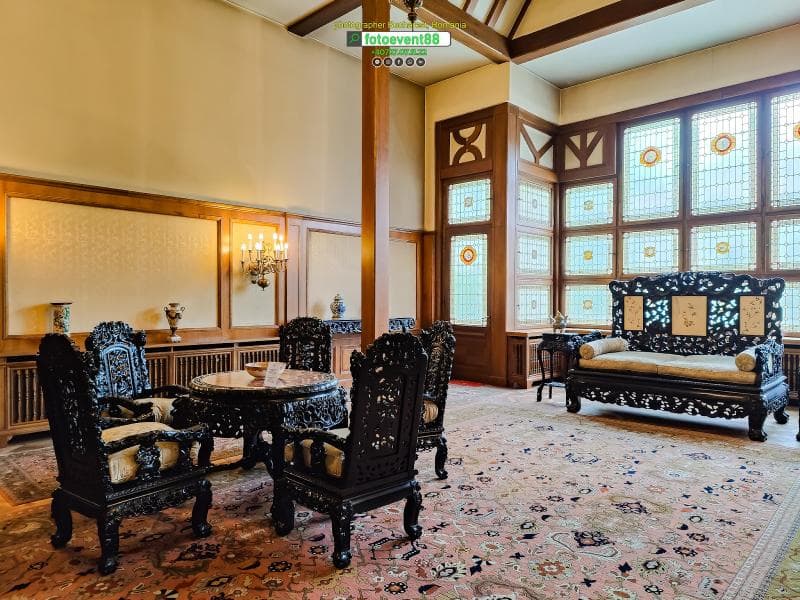
Explore Cotroceni Palace in Bucharest, Romania. Discover the Presidential residence, Royal history, stunning architecture, and Cotroceni National Museum collections.
Overview
Nestled on Cotroceni Hill in Bucharest, Romania, Cotroceni Palace stands as a profound symbol of the nation's rich history and cultural evolution. More than just a magnificent edifice, it serves a dual role: it is the official residence of the President of Romania and also houses the esteemed Cotroceni National Museum. Its story spans over 300 years, beginning as a 17th-century monastery and transforming into a royal residence before becoming the seat of the modern Romanian presidency. This architectural marvel offers visitors a captivating journey through Romania's past, presenting an intimate glimpse into the lives of its former monarchs and the pivotal moments that shaped the country.
History & Cultural Background
The origins of Cotroceni Palace trace back to 1679 when Prince Șerban Cantacuzino of Wallachia established a monastery on the site. This religious complex, including a Baroque-style princely palace, was built on Cotroceni Hill, an area once part of the Vlăsia forest. Over time, the monastery's tranquil setting attracted subsequent rulers. In the 19th century, Alexandru Ioan Cuza, who played a significant role in Romania's unification, utilized Cotroceni as a summer royal residence.
A pivotal transformation occurred under King Carol I, who decided the existing structures were too humble for his heir. He commissioned the construction of a grander palace to serve as the residence for Crown Prince Ferdinand I and Princess Maria. Work began in 1888, with French architect Paul Gottereau designing the main palace in a style heavily influenced by Venetian classicism. Later, Romanian architect Grigore Cerchez added elements characteristic of the Neo-Romanian style, particularly visible in the northern wing, which was completed in stages up to 1929.
The palace served as a royal family residence from 1893 to 1947. Following the forced abdication of King Michael I in 1947, Cotroceni entered a new, communist era. From 1949, it was repurposed as the 'Palace of the Pioneers,' a communist youth organization headquarters. The palace suffered significant damage during the devastating 1977 Vrancea earthquake. Extensive rebuilding and restoration efforts followed, during which a new wing was added to house the Presidential Administration. Tragically, the original Cantacuzino church was demolished in 1984 under Nicolae Ceaușescu's regime, but a replica has since been built. Since 1991, the old wing of the palace has been open to the public as the Cotroceni National Museum, while the newer sections function as the official residence of the President of Romania.
What Makes It Special
Cotroceni Palace's unique appeal lies in its seamless blend of a 350-year-old historical memorial site with a vibrant art museum. It holds the distinction of being the only residence in Romania continuously inhabited since the late 17th century. The architecture itself is a testament to various periods, showcasing a captivating mix of Baroque, Venetian classical, and later, the distinct Neo-Romanian and Art Nouveau styles. The palace is not merely a collection of rooms but a repository of personal histories, with each hall and apartment possessing an evocative power, focusing on the connection of artifacts to the personalities who once lived there.
The Cotroceni National Museum, located within the palace, houses an impressive collection of over 20,000 objects. These range from paintings, sculptures, and religious art to decorative arts including ceramics, glass, metalwork, textiles, and furniture. Visitors can explore lavishly decorated interiors, providing a tangible link to Romania's royal and political heritage. The sheer scale and meticulous preservation of its diverse collections make Cotroceni Palace a key cultural institution in Bucharest.
Stories, Fun Facts & Local Details
The spirit of Queen Maria, the English-born wife of King Ferdinand I, profoundly influenced the palace's interiors. She was known for her artistic vision, overseeing redecoration efforts that incorporated styles like Secession and elements with floral, Celtic, and Byzantine motifs. One notable space is King Ferdinand's Library, crafted in a French Henry II style from elm wood, reflecting the King's personal taste. The White Hall, also known as Cherchez Hall after architect Grigore Cerchez, was created in Neo-Romanian style by transforming the palace's Ballroom and original Dining-room. It was in the Dining-room, prior to its modification, that the pivotal decision for Romania to enter World War I was signed in August 1916.
Ahead of its time, the palace was equipped with modern amenities, including electrical lighting and telephone lines introduced in the 1890s, followed by central heating and an elevator. Interestingly, King Carol I even requested the construction of the Cotroceni Train Station nearby. The monumental Hall of Honor features an impressive Italian marble staircase and stained-glass windows depicting scenes from the Legend of the Romanian craftsman Manole, adding a touch of national folklore to its grandeur.
Visitor Perspective
Cotroceni Palace welcomes curious travelers through the Cotroceni National Museum circuit, offering a truly immersive historical experience. Visiting requires booking a guided tour in advance, as access to many areas, including over 30 palace rooms and lavish royal apartments, is exclusively through these tours. It is essential to bring a valid identification document, such as a passport, for entry.
While guided tours delve into the palace's rich history, visitors can often explore the beautifully maintained gardens, the inner courtyard, and the Cotroceni Church with free access. The museum actively works to make Romania's cultural heritage more accessible, including official areas previously reserved for high-level meetings. Located at Bulevardul Geniului, nr. 1, in Bucharest, the palace offers an unparalleled opportunity to connect with centuries of Romanian royalty, political shifts, and architectural splendor.
Coordinates: 26.0619, 44.4338
View on Google Maps💬 How Travelers Describe This Place
Based on community votes
Photogenic
551Interesting
547Unique
336Beautiful
219Must See
186
Traveler Stories
Discover memorable experiences shared by travelers who have visited this place.
No traveler stories yet.
Be the first traveler to share what made this place memorable.
Things to see at Cotroceni Palace



Tour
By
Spot
Discover amazing places around the world. Your journey starts here.
Explore
© 2026 TourBySpot. All rights reserved.