Reception Rooms
Bucharest, Romania
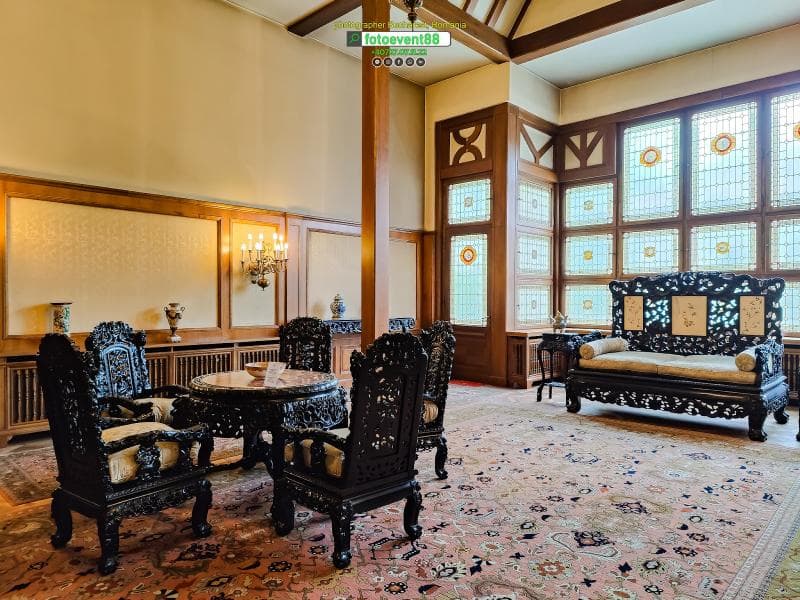
Explore the opulent Reception Rooms of Cotroceni Palace in Bucharest, Romania, where royal history and pivotal decisions unfolded. Discover Neo-Romanian architecture and fascinating stories.
Overview
Nestled within the grand Cotroceni Palace in Bucharest, Romania, the Reception Rooms stand as a testament to the nation's rich and often turbulent history. These magnificent spaces, particularly known for the 'Great Hall of Receptions' or 'Cherchez Hall', offer a profound glimpse into royal life, significant political decisions, and the evolving architectural tastes of Romania. More than just opulent chambers, they are vibrant narratives etched in stone, wood, and gilded plaster, inviting curious travelers to walk through centuries of Romanian heritage.
As part of the Cotroceni National Museum, these rooms are meticulously preserved, allowing visitors to experience the grandeur where monarchs once hosted dignitaries and pivotal historical moments unfolded. The blend of various architectural styles, reflecting different eras of modification and expansion, makes the Reception Rooms a unique and compelling stop for anyone exploring Bucharest's cultural landscape.
History & Cultural Background
The history of Cotroceni Palace itself stretches back to 1679, originating as a monastery founded by Prince Șerban Cantacuzino. Over centuries, it transformed from a monastic retreat into a princely summer residence, and finally, under King Carol I, into a royal palace in the late 19th century.
The specific Reception Rooms, particularly the 'Great Hall of Receptions', saw significant development and redesign between 1915 and 1926, primarily under the vision of Romanian architect Grigore Cerchez. This period coincided with the reign of King Ferdinand I and Queen Marie, who left an indelible mark on the palace's aesthetics. Queen Marie, known for her artistic sensibilities, actively influenced the interior design, infusing it with a distinctive blend of Western European and Romanian influences. The creation of the Great Hall involved the deallocation of previous spaces, namely the Ballroom and the old Dining Room, to create a more expansive and impressive venue suitable for grand royal functions and state affairs.
What Makes It Special
The Reception Rooms are special for several compelling reasons. Architecturally, they showcase the Neo-Romanian style, a movement spearheaded by figures like Grigore Cerchez, which sought to blend traditional Romanian elements with contemporary European trends. This results in a unique aesthetic that is both regal and deeply rooted in local identity. One striking feature is the remarkable green Portoro marbled fireplace, adding an element of luxurious detail to the grand scale of the hall.
Beyond their visual appeal, these rooms are imbued with profound historical significance. They served as the backdrop for critical events, including the signing of Romania's decision to enter World War I in August 1916. Today, they bridge the past and the present, not only preserving history as part of the Cotroceni National Museum but also actively hosting contemporary cultural events such as concerts, book launches, and art exhibitions, demonstrating their continued relevance as a cultural hub.
Stories, Fun Facts & Local Details
Imagine the tension and gravitas in the Great Hall of Receptions in August 1916 when Romania formally committed to joining the Allies in World War I. This very space witnessed the signing of a document that would profoundly reshape the nation's future. The decision, made in a room designed to impress and affirm power, underscores the human drama behind historical turning points.
Queen Marie's personal touch is another fascinating detail. An English-born princess, her artistic vision and imagination were crucial in shaping the palace's interiors, including aspects of the Reception Rooms. Her desire to create a truly Romanian royal residence, rather than merely imitating Western European styles, led to the unique decorative arts and furnishings found throughout Cotroceni. The room's alternate name, 'Cherchez Hall', directly honors Grigore Cerchez, the architect who brought many of these Neo-Romanian elements to life, cementing his legacy within these historic walls.
Visitor Perspective
Visiting the Reception Rooms within Cotroceni Palace is an immersive journey into Romania's regal past. As you step into these opulent halls, you are transported to an era of kings, queens, and pivotal political moments. Guided tours are mandatory, providing insightful narratives that bring the history of each room to life, explaining the architectural details, the historical figures who graced these spaces, and the events that unfolded within them.
Security measures are in place due to the palace's dual role as a museum and the official residence of the President of Romania, so visitors must book in advance and present a valid ID. This structured access ensures a well-preserved and intimate experience, allowing ample opportunity to appreciate the intricate craftsmanship, the rich historical tapestry, and the sheer scale of the rooms. It's an opportunity to connect with the grandeur and the solemn history of a nation, leaving you with a deeper appreciation for Romania's enduring legacy.
Coordinates: 26.07, 44.4346
View on Google Maps💬 How Travelers Describe This Place
Based on community votes
Unique
995Photogenic
839Beautiful
603Must See
581Interesting
388
Traveler Stories
Discover memorable experiences shared by travelers who have visited this place.
No traveler stories yet.
Be the first traveler to share what made this place memorable.

Tour
By
Spot
Discover amazing places around the world. Your journey starts here.
Explore
© 2026 TourBySpot. All rights reserved.