Royal Apartments
Bucharest, Romania
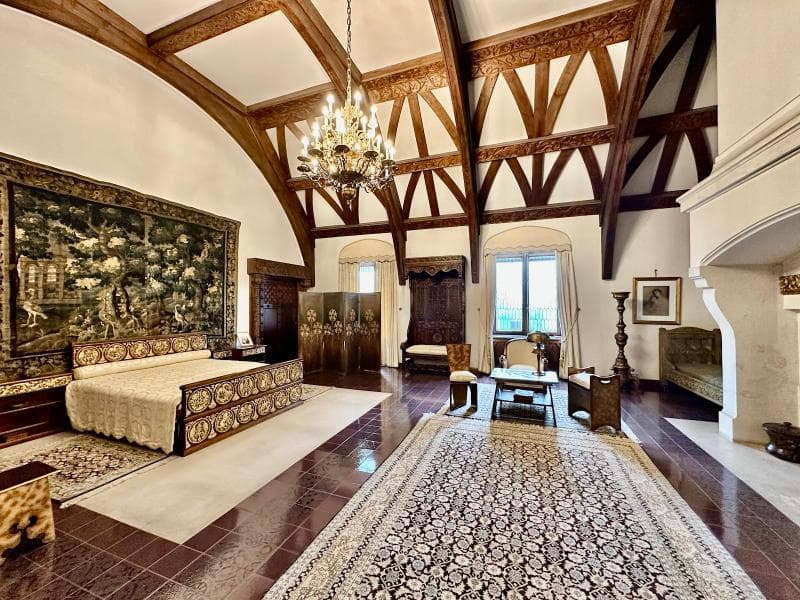
Explore the Royal Apartments in Cotroceni Palace, Bucharest, Romania. Discover the rich history, regal opulence, and cultural heritage of Romanian monarchs.
Overview
The Royal Apartments within Cotroceni Palace in Bucharest, Romania, offer a profound glimpse into the country's regal past and intricate history. Serving as both the official residence of the President of Romania and housing the National Cotroceni Museum, the palace stands as a living testament to centuries of change. The Royal Apartments, a central part of the museum circuit, invite visitors to traverse through elaborately decorated rooms that once housed Romanian royalty, presenting a unique blend of architectural grandeur and personal stories.
These apartments are not merely static displays; they are immersive spaces where the influences of various monarchs, particularly Queen Marie, are vividly preserved. Each room contributes to a narrative of refinement, power, and cultural identity, reflecting European styles alongside Romanian specificities. Visiting the Royal Apartments provides an intimate understanding of the daily lives and artistic tastes of those who shaped modern Romania.
History & Cultural Background
The history of Cotroceni Palace begins long before its royal designation. Its origins trace back to a monastery founded between 1679 and 1682 by Prince Șerban Cantacuzino on Cotroceni Hill, an area once part of the Vlăsia woods. This monastic complex served as a princely residence for centuries. In 1883, King Carol I decided to transform the site into a grand royal palace, commissioning French architect Paul Gottereau to design a new edifice for his heir, Crown Prince Ferdinand.
Construction commenced in 1893, and by 1895, the initial royal palace was complete. Significant additions and modifications occurred under King Ferdinand I and Queen Marie, particularly the north wing. Queen Marie, with her strong artistic vision, left an indelible mark on the palace's interiors, overseeing extensive redecoration that infused the spaces with her unique taste, blending Western European influences with Romanian folklore. After the monarchy, the palace underwent various transformations, including serving as a guesthouse during the communist regime and being damaged in the 1977 earthquake. Since 1991, it has functioned as the official residence of the Romanian President, with a significant portion dedicated to the National Cotroceni Museum.
What Makes It Special
What makes the Royal Apartments truly special is their ability to transport visitors directly into the opulent world of Romanian royalty. The palace showcases a fusion of architectural styles, from the initial French influences under Paul Gottereau to the Neo-Romanian elements added by architect Grigore Cerchez. Queen Marie's personal aesthetic is particularly evident, with her love for Art Nouveau, Celtic, and Byzantine details gracing many rooms.
Specific rooms within the apartments stand out: the Hall of Honour, largely preserved since the 1890s, boasts an original Italian marble staircase. The German Living Room, decorated in German Neorenaissance style, served as a daily gathering place for the royal family. King Ferdinand's Hunting Room, arranged in the 1920s, displays his personal trophies. The Oriental Room features furniture of Far Eastern origin, made of black lacquered ebony wood with silk and gold thread embroidery, and houses a Steinway piano that belonged to Queen Elizabeth and Princess Maria. These meticulously restored spaces offer a rare authenticity that few other royal residences can provide.
Stories, Fun Facts & Local Details
The Royal Apartments are steeped in fascinating stories and historical tidbits. Queen Marie's dedication to the palace is legendary; she not only directed redesigns but also personally influenced the furniture and decorative arts. It is said she considered Cotroceni her true home, and her spirit is felt throughout the spaces she so carefully curated. The palace was remarkably modern for its time, equipped with electrical lighting by 1890 and central heating by 1915, showcasing the forward-thinking approach of the royal family.
A notable addition during Queen Marie's time was the creation of 'duplex apartments' in the north wing, designed to house her maids of honor and adjutants, reflecting a practical yet elegant solution for her retinue. The palace also witnessed pivotal historical moments, including the signing of the Treaty of Bucharest in 1918. Even after significant damage from the 1977 earthquake, the careful restoration efforts preserved much of its original splendor, ensuring these stories endure for future generations.
Visitor Perspective
Visiting the Royal Apartments at Cotroceni Palace is an enriching journey into Romania's regal heritage. As a presidential residence, access is typically through guided tours, which are highly recommended for understanding the depth of history and cultural significance embedded in each room. Visitors must present valid identification for entry and it is advisable to book tours in advance.
During the tour, you'll walk through more than 30 palace rooms, experiencing the lavishly decorated interiors, rich with historic artwork and period-specific furnishings. Beyond the apartments themselves, the palace is surrounded by beautifully maintained gardens, offering a serene environment for reflection. The entire experience offers a rare opportunity to connect with Romania's past, walking the same halls where kings and queens once lived and made decisions that shaped the nation.
Coordinates: 26.06194, 44.43389
View on Google Maps💬 How Travelers Describe This Place
Based on community votes
Unique
445Interesting
416Must See
289Beautiful
141Photogenic
33
Traveler Stories
Discover memorable experiences shared by travelers who have visited this place.
No traveler stories yet.
Be the first traveler to share what made this place memorable.

Tour
By
Spot
Discover amazing places around the world. Your journey starts here.
Explore
© 2026 TourBySpot. All rights reserved.