Historic Staircases
Bucharest, Romania
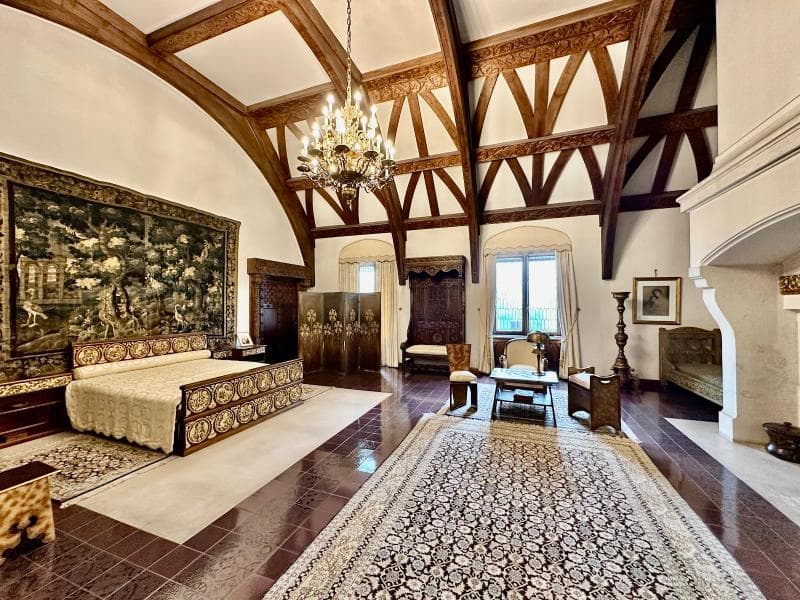
Discover the historic staircases of Cotroceni Palace in Bucharest, Romania, marveling at their opulent design and rich royal history.
Overview
Nestled within the historic Cotroceni Palace in Bucharest, Romania, are several magnificent staircases that serve not merely as functional connectors between floors but as testaments to the country's rich royal and architectural heritage. The most prominent among these is the monumental stairway located in the Hall of Honor, an awe-inspiring entry point to the palace's public museum areas. These historic staircases encapsulate the grandeur, artistic styles, and personal touches of the monarchs who once resided here, offering a unique glimpse into a bygone era of Romanian royalty.
The Cotroceni Palace itself, a blend of architectural styles from the late 19th and early 20th centuries, operates partly as the National Cotroceni Museum and partly as the official residence of the President of Romania. Visitors to the museum can explore various rooms and halls, where the elaborate staircases stand as central architectural features, each telling a piece of the palace's evolving story.
History & Cultural Background
The history of Cotroceni Palace dates back to the late 17th century when Prince Șerban Cantacuzino founded a monastery on Cotroceni Hill. The site transformed significantly when King Carol I commissioned the construction of a new royal palace in 1883, intended as a residence for the future heir, Prince Ferdinand. French architect Paul Gottereau was responsible for the initial design, and construction took place between 1888 and 1895.
The palace subsequently became the beloved home of King Ferdinand I and Queen Marie, who left an indelible mark on its interiors. Queen Marie, known for her artistic vision, contributed significantly to the palace's aesthetic, incorporating elements that reflected her personal taste and the contemporary Secession style. Over the decades, various architects like Grigore Cerchez and Karel Liman added to and refined the palace's structure, reflecting evolving architectural trends, including the Neo-Romanian style. These historical layers are visible in the detailing of the staircases, which have witnessed royal processions, political events, and countless moments of Romanian history.
What Makes It Special
The main historic staircase in the Hall of Honor is particularly special due to its use of original Italian Cibolino marble and intricate stucco-marble work, embodying the opulent French style of Napoleon III prevalent in the late 19th century. This monumental ascent leads directly to the official drawing rooms, setting a tone of grandeur for the upper floors. During subsequent restorations, new stained-glass windows depicting scenes from the 'Legend of Romanian craftsman Manole' were added, further enhancing its artistic and cultural significance.
Beyond its aesthetic appeal, the staircase holds a strong connection to the daily lives of Romania's royal family. Another notable feature is a coiling stairway that once led to Queen Marie's tea room, which she famously used as a pokerwork shop. The blend of such grand public features with more intimate, yet equally thoughtfully designed, private access points reveals the palace's dual nature as a state residence and a family home.
Stories, Fun Facts & Local Details
Imagine the rustle of royal gowns and the echo of footsteps on these very stairs as King Ferdinand and Queen Marie ascended to their private chambers or descended to greet dignitaries. The palace, and by extension its staircases, bore witness to pivotal moments, such as the signing of the Treaty of Bucharest in 1918.
A poignant detail from the socialist era illustrates the impact of political change on architectural heritage: during this period, plaster ornaments and an anthropomorphic gable above the stairs of honor were deliberately removed or damaged, a stark contrast to the original royal splendor. Despite such interventions, the spirit of the original design largely perseveres. The sheer scale and craftsmanship of these staircases contribute to the palace's reputation as a captivating site, inviting visitors to ponder the many stories held within its walls.
Visitor Perspective
For the curious traveler, encountering the historic staircases of Cotroceni Palace is an immersive journey into Romanian history and architecture. As you step into the Hall of Honor, the grand marble staircase immediately commands attention, inviting you to appreciate the artistry and scale of its construction. It provides a powerful sense of arrival, echoing the experiences of countless historical figures who passed through these very halls. Climbing these stairs offers more than just access to different parts of the museum; it is a walk through time, connecting you with the legacies of Romanian royalty and the nation's unfolding narrative.
The meticulous details, from the type of marble to the delicate stucco work, offer a tangible connection to the past, allowing visitors to visualize the lives of those who once inhabited this splendid residence. It's a place where history feels alive, and the elegant design of the staircases contributes significantly to this evocative atmosphere.
Coordinates: 26.06194, 44.43389
View on Google Maps💬 How Travelers Describe This Place
Based on community votes
Photogenic
953Unique
695Beautiful
396Must See
286Interesting
22
Traveler Stories
Discover memorable experiences shared by travelers who have visited this place.
No traveler stories yet.
Be the first traveler to share what made this place memorable.

Tour
By
Spot
Discover amazing places around the world. Your journey starts here.
Explore
© 2026 TourBySpot. All rights reserved.