Art Collections
Bucharest, Romania
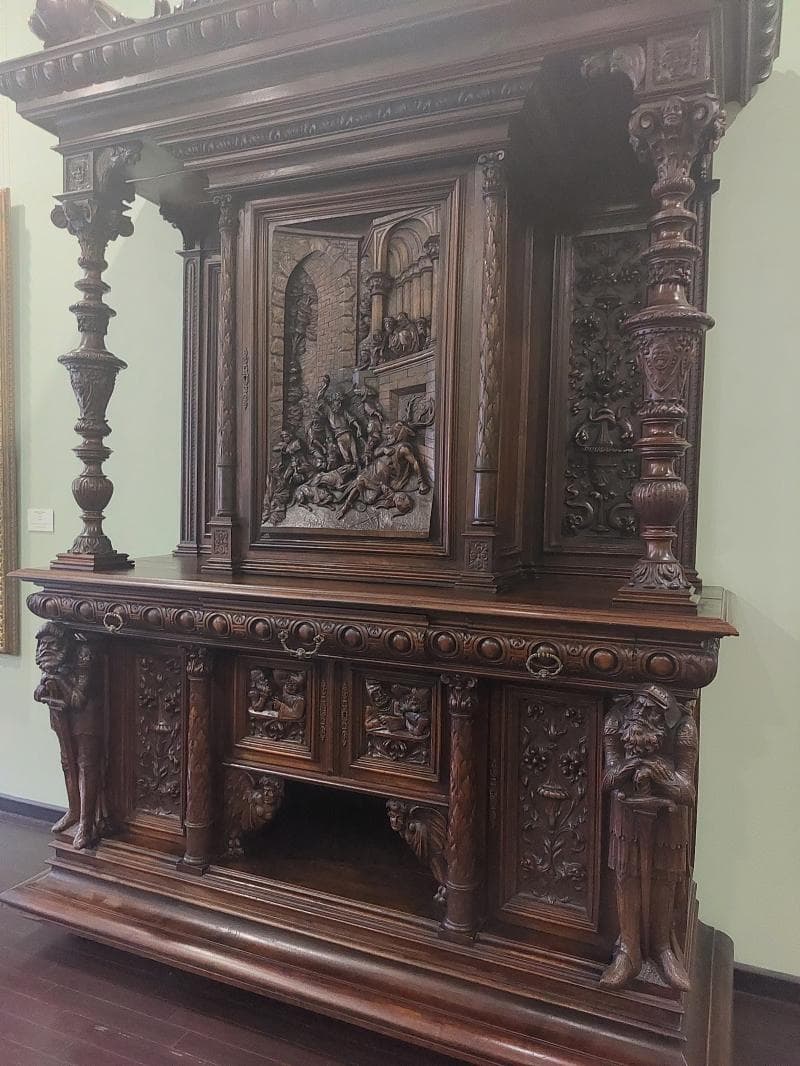
Explore the exquisite Art Collections at Cotroceni Palace in Bucharest, Romania, featuring royal artifacts, Queen Marie's art, and diverse decorative arts.
Overview
Nestled within the historic Cotroceni Palace in Bucharest, Romania, the Art Collections offer a captivating journey through centuries of royal taste and Romanian heritage. The palace, which serves as both the official residence of the President of Romania and the home of the Cotroceni National Museum, opens its doors to reveal an impressive array of artistic and historical treasures. Visitors can explore diverse exhibits, including painting, sculpture, decorative arts, religious artifacts, and ancient books, all housed within the meticulously preserved royal apartments and halls. This unique setting allows the art to be viewed within its original context, providing a vivid glimpse into the lives of Romania's past rulers and their cultural inclinations.
History & Cultural Background
The origins of Cotroceni Palace trace back to a 17th-century monastery built by Șerban Cantacuzino. Transformed into a royal residence under King Carol I, the palace underwent significant architectural and interior design changes, particularly influenced by Queen Marie, the English wife of King Ferdinand. Her extensive art collection greatly enriched the palace's holdings, shaping the aesthetic of many rooms.
After the forced abdication of King Michael I in 1947, the communist regime systematically plundered and damaged the palace. Around 1,000 objects, including paintings, sculptures, and decorative items, were removed, and royal libraries were destroyed. The palace was repurposed, first as a 'Pioneers' Palace' for children and later as a guesthouse for foreign diplomats. In 1977, an earthquake further damaged the structure, leading to controversial renovations under Nicolae Ceaușescu, which included the demolition of the historic 17th-century church.
Following the Romanian Revolution of 1989, the old wing of the palace was opened to the public as the Cotroceni National Museum in 1991, aiming to offer an insight into past ages and restore the historical memory of the site. The museum's mission is to connect visitors not just with the inherent value of the artifacts, but with the personalities who inhabited the palace throughout its 350-year history.
What Makes It Special
The art collections at Cotroceni are distinguished by their breadth and the intimate connection they maintain with the royal history of Romania. Queen Marie's artistic vision is particularly evident throughout the palace, with many function rooms decorated to her taste. Her extensive art collection forms a significant part of the museum's display.
The decorative arts collection is notably rich, featuring furniture, pottery, glassware, metalware, and fabrics that showcase diverse European styles such as Empire, Napoleon III, Louis XV, Louis XVI, and Neo-Romanian, alongside oriental pieces. A special highlight is the Art Nouveau collection, with exquisite glassware from the workshops of Émile Gallé, Daum, and Lalique. The valuable pottery includes china from renowned manufacturers like Sevres, Meissen, and Kuznetsov.
Visitors can admire masterpieces of painting and sculpture, religious art, and a significant collection of old books. Specific rooms like the German Living Room, the Hunting Room (housing King Ferdinand's trophies), the opulent Flowers' Room (also known as the Golden Room, decorated in Secession style at Queen Marie's behest), the Royal Dining Room (featuring Queen Marie's Neo-Byzantine round table design), and Queen Marie's Tudor-style bedroom furnished in Art Nouveau, each present a unique artistic environment.
Stories, Fun Facts & Local Details
One of the most compelling aspects of the Cotroceni art collections is how they tell the story of Queen Marie, a figure known for her sophisticated artistic sensibilities and her deep affection for Romanian culture. Her influence is visible in the Secession style decorations of the Flowers' Room, and her personal tableware in the Neo-Byzantine style reflects her unique aesthetic.
The palace itself holds many secrets and stories. For instance, the Hall of Honor, adorned with Italian Cibolino marble, leads to the official drawing rooms, while King Ferdinand's Library, crafted from elm wood, offers a glimpse into his scholarly pursuits. Although many original pieces were lost during the communist era, efforts have been made to rebuild and restore elements, such as the stained glass windows, respecting their original style.
The continuous occupation of Cotroceni since the late 17th century, from a monastery to a princely residence, then a royal palace, and now serving as both a museum and the presidential administration, makes it a living testament to Romanian history. The blend of medieval and 19th-century architecture, coupled with royal and political memorabilia, creates a unique historical tapestry.
Visitor Perspective
Visiting the Art Collections at Cotroceni Palace is an experience steeped in history and culture. The museum prioritizes connecting artifacts with the notable personalities who resided there, making each room resonate with a sense of the past. Guided tours are highly recommended to fully appreciate the historical context and the stories behind the collections. The opulent interiors, preserved rooms, and diverse artworks offer a rich educational experience for anyone interested in Romanian history, architecture, and fine arts. It is important to note that visits are typically by appointment and require identification, reflecting its dual role as a museum and a working presidential residence.
Coordinates: 26.057, 44.4338
View on Google Maps💬 How Travelers Describe This Place
Based on community votes
Photogenic
996Must See
953Beautiful
658Interesting
585Unique
69
Traveler Stories
Discover memorable experiences shared by travelers who have visited this place.
No traveler stories yet.
Be the first traveler to share what made this place memorable.

Tour
By
Spot
Discover amazing places around the world. Your journey starts here.
Explore
© 2026 TourBySpot. All rights reserved.