National Cotroceni Museum
Bucharest, Romania
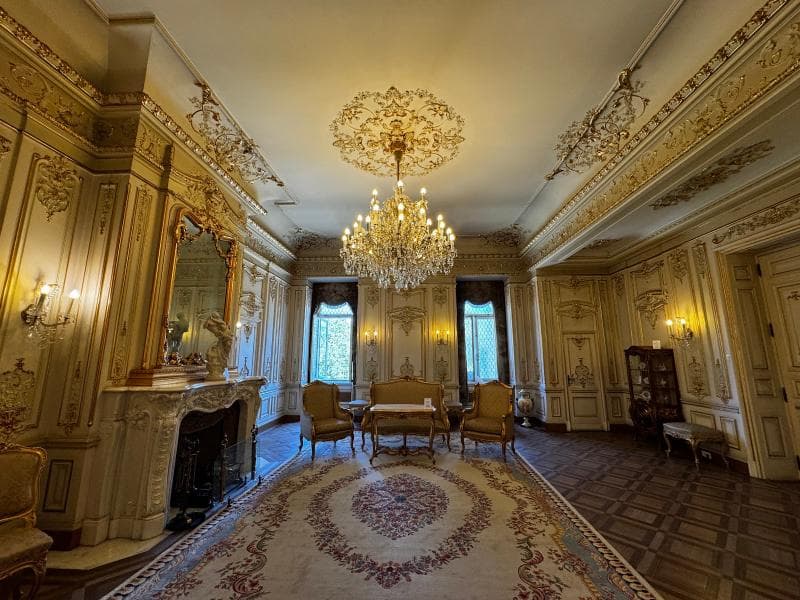
Explore the National Cotroceni Museum in Bucharest, Romania. Discover royal history, stunning art, and architecture within Cotroceni Palace.
Overview
Nestled within the grandeur of Cotroceni Palace in Bucharest, Romania, the National Cotroceni Museum offers a captivating journey through the nation's rich history and royal heritage. Established in 1991 in the palace's old wing, the museum functions as a living testament to centuries of Romanian culture, while the broader Cotroceni Palace continues to serve as the official residence of the President of Romania. This unique duality imbues the museum with a distinct significance, allowing visitors to explore meticulously preserved royal apartments and historical collections within an active state institution. Its strategic location on Cotroceni Hill, once part of the ancient Vlăsiei woods, has made it a focal point for significant historical events and an enduring symbol of Romanian statehood.
History & Cultural Background
The roots of Cotroceni Palace and its museum extend back to the late 17th century. In 1679, Prince Șerban Cantacuzino of Wallachia initiated the construction of a monastery on Cotroceni Hill, featuring a church and a Baroque-style princely palace. This initial complex laid the groundwork for the future royal residence. Centuries later, in 1883, King Carol I of Romania, finding the existing structures too modest, commissioned the construction of a grander royal palace. French architect Paul Gottereau designed the new edifice, with construction commencing in 1893, intended as a residence for the heir presumptive, Prince Ferdinand. Later, Romanian architect Grigore Cerchez added distinctive Neo-Romanian elements, particularly to the northern wing. The palace became home to King Ferdinand I and his consort, Queen Marie, whose artistic vision profoundly shaped its interiors and collections. The 20th century brought periods of upheaval; after 1949, during the communist era, the palace was repurposed as the 'Pioneers' Palace,' serving a communist youth organization. It suffered significant damage during the devastating 1977 Vrancea earthquake, necessitating extensive restoration and reconstruction, which also saw the addition of a new wing for the presidential administration. Following the 1989 revolution, the old wing of the palace was formally opened to the public as the National Cotroceni Museum in 1991, preserving its historical essence for future generations.
What Makes It Special
What truly distinguishes the National Cotroceni Museum is its unique character as a site where centuries of history seamlessly intertwine with a rich artistic legacy. It is one of the few residences in Romania that has been continuously inhabited and held historical significance since the late 17th century, making it a powerful memorial site. Visitors can immerse themselves in the opulent world of Romanian royalty, exploring rooms furnished with original pieces, exquisite art, and personal belongings that tell the stories of those who lived there. The museum's collections are remarkably diverse, encompassing painting and sculpture, religious art, old books, and a particularly strong showing in decorative arts. This includes a wide array of European furniture styles such as Empire, Napoleon III, Louis XV, and Louis XVI, alongside oriental pieces and remarkable Art Nouveau items from renowned workshops like Gallé and Daum. The architectural evolution of the palace, from its Baroque monastery origins to the Venetian-inspired royal palace and later Neo-Romanian additions, presents a fascinating study in design and historical layering.
Stories, Fun Facts & Local Details
The palace is steeped in fascinating narratives. Queen Marie, a granddaughter of Queen Victoria, left an indelible mark on Cotroceni. Her refined tastes and artistic vision transformed the palace's interiors, notably the 'Flowers' Room' (also known as the 'Golden Room'), decorated in the Secession style, and her Tudor-style bedroom furnished with Art Nouveau pieces. A less fortunate tale recounts how, during the communist regime, Nicolae Ceaușescu ordered the demolition of the 17th-century Cantacuzino church, deeming it an obstruction to his view. Fortunately, a replica of the church has since been rebuilt, incorporating elements and even restored frescoes from the original structure. Historically, Cotroceni Palace was at the forefront of modernity, being equipped with early electrical lighting and telephone systems soon after their introduction in Bucharest in the 1890s. It also played a crucial role on the international stage, being the site where the Treaty of Bucharest was signed in 1918. For those with an interest in early 20th-century history, the museum vividly portrays an era of elegance and significant national transformation.
Visitor Perspective
Visiting the National Cotroceni Museum is an immersive experience, best undertaken with a guided tour. These tours, often available in multiple languages, are highly praised for their knowledgeable guides who bring the palace's history to life with engaging stories. Due to its status as a presidential residence, visits typically require advance booking, often at least 24 hours ahead, and visitors must present an original identity document upon entry. Expect to be guided through magnificent spaces such as the impressive Hall of Honor with its Italian marble staircase and stained-glass windows, the German Living Room reflecting King Carol I's tastes, King Ferdinand's personal Hunting Room, and Queen Marie's beautifully adorned private apartments. While the museum itself offers a structured tour, the palace's beautiful gardens are sometimes accessible to the public on weekends, providing a peaceful retreat and photographic opportunities. Exploring the National Cotroceni Museum is not just a visit to a building; it's a step back in time, offering a profound appreciation for Romania's royal past and cultural legacy.
Coordinates: 26.062, 44.434
View on Google Maps💬 How Travelers Describe This Place
Based on community votes
Must See
950Beautiful
287Photogenic
255Unique
231Interesting
86
Traveler Stories
Discover memorable experiences shared by travelers who have visited this place.
No traveler stories yet.
Be the first traveler to share what made this place memorable.

Tour
By
Spot
Discover amazing places around the world. Your journey starts here.
Explore
© 2026 TourBySpot. All rights reserved.