Ceremonial Halls
Bucharest, Romania
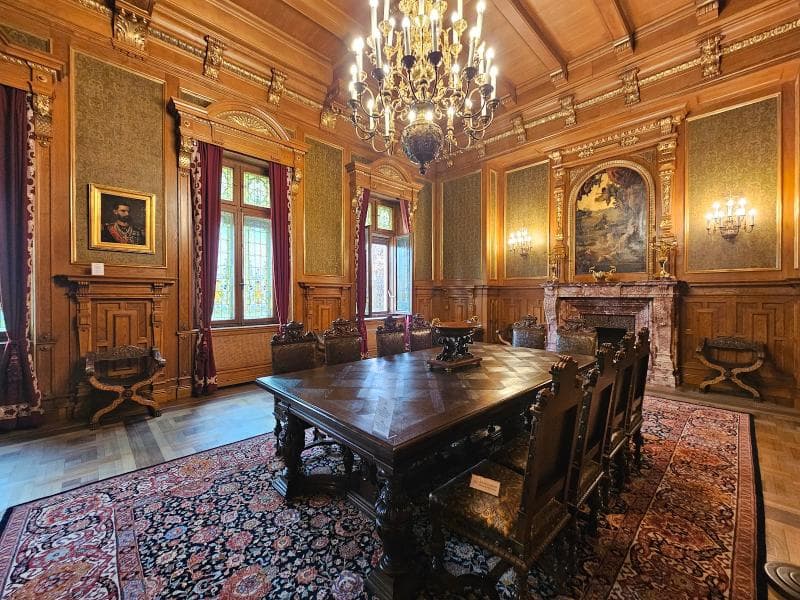
Explore the majestic Ceremonial Halls of Cotroceni Palace in Bucharest, Romania. Discover centuries of royal history, art, and presidential grandeur.
Overview
Nestled on Cotroceni Hill in Bucharest, Romania, the Ceremonial Halls of Cotroceni Palace offer a profound journey into the country's rich past. This distinguished sub-spot within the larger Cotroceni Palace complex is far more than just a series of rooms; it is a meticulously preserved testament to centuries of Romanian history, artistry, and political evolution. What began as a 17th-century monastery transformed into a royal residence and eventually became the seat of the Romanian Presidency, with its ceremonial spaces bearing witness to pivotal moments. Today, these opulent halls form the heart of the National Cotroceni Museum, inviting curious travelers to step into a world where royal splendor meets national heritage.
Visitors to the Ceremonial Halls are treated to a captivating display of architectural grandeur and decorative arts, reflecting the tastes and influences of the various figures who shaped Romania's destiny. From the grand entrance to the intimate royal apartments, each hall tells a story, revealing layers of Baroque, Neo-Renaissance, Art Nouveau, and Neo-Romanian styles. These are the very spaces where significant state functions, diplomatic receptions, and royal gatherings once took place, making them integral to understanding Romania's cultural identity and historical narrative.
History & Cultural Background
The story of Cotroceni Palace, and by extension its Ceremonial Halls, commences in 1679 with Prince Șerban Cantacuzino, who founded a monastery on Cotroceni Hill. This monastic complex, including a church and princely houses, laid the initial foundations for the site's future prominence.
Centuries later, in the late 19th century, King Carol I envisioned a grand royal residence for the heirs to the Romanian throne. He commissioned French architect Paul Gottereau to design a new palace, built between 1888 and 1893. Gottereau's vision infused the palace with Venetian classical and Neo-Renaissance styles, setting the tone for its stately appearance.
The palace truly flourished under King Ferdinand I and, significantly, his wife Queen Marie. An English-born princess, Queen Marie left an indelible mark on the palace's interiors, overseeing extensive redecoration efforts. Her artistic sensibilities introduced elements of Art Nouveau and the distinctly Romanian Neo-Romanian style, particularly visible in the northern wing which was completed by architect Grigore Cerchez.
Following the abolition of the monarchy in 1947, the palace entered a new chapter, serving as the Palace of the Communist Youth Organization, often referred to as the 'Pioneers' Palace'. It endured significant damage during the devastating 1977 earthquake, necessitating extensive reconstruction and restoration efforts. Since 1991, the palace has proudly served as the official residence of the President of Romania, with a dedicated wing transformed into the National Cotroceni Museum, preserving its heritage for future generations.
What Makes It Special
The Ceremonial Halls of Cotroceni Palace are exceptional due to their stunning architectural diversity and their profound connection to Romanian national identity. Unlike many palaces that adhere to a singular aesthetic, Cotroceni presents a fascinating fusion of styles—from the elegant Venetian classicism of its original build to the vibrant Art Nouveau flourishes introduced by Queen Marie and the romantic Neo-Romanian additions by Grigore Cerchez. This stylistic evolution makes each hall a unique masterpiece.
Among the most notable spaces are the magnificent Hall of Honor, welcoming guests with its rich decorations and Italian marble staircase, and the expansive Great Hall of Receptions, also known as Cherchez Hall, a Neo-Romanian creation by Grigore Cerchez designed for grand occasions. The Royal Dining Room, restored to reflect King Carol I's taste for German Neo-Renaissance, and the charming Flowers' Room, infused with Queen Marie's artistic flair and a touch of Secession style, further exemplify the palace's distinctive character.
The meticulous preservation and restoration of these interiors mean that visitors can admire period furniture, intricate artworks, and decorative elements that offer a genuine glimpse into the luxurious lifestyles of Romania's past rulers. The sheer volume and quality of these artifacts ensure that every corner holds a visual delight and a piece of history.
Stories, Fun Facts & Local Details
Behind the majestic facades and ornate decorations of the Ceremonial Halls lie captivating stories and intriguing details. One of the most significant historical events to unfold within these walls was the signing of the Treaty of Bucharest in 1918, a pivotal moment in Romania's involvement in World War I.
Queen Marie, a figure of immense cultural influence, personally imbued many of the palace's rooms with her artistic vision. It is said that she herself designed some pieces of furniture and was actively involved in the redecoration, transforming spaces like her own bedroom into a haven of Tudor and Art Nouveau styles. The Flowers' Room, for instance, reflects her delicate and feminine aesthetic, with its floral patterns and a redesigned piano that once belonged to Queen Elizabeth.
A less visible, but equally fascinating detail, is that traces of the original 17th-century Cotroceni Monastery can still be found in the palace's basement and foundations, offering a tangible link to its ancient origins, even after King Carol I ordered the monastery's demolition to make way for the new palace. The severe damage inflicted by the 1977 earthquake necessitated an extensive rebuilding effort, which inadvertently added a layer of resilience to the palace's enduring narrative.
Visitor Perspective
Visiting the Ceremonial Halls at Cotroceni Palace is a deeply immersive experience for any traveler interested in Romanian history and culture. As part of the National Cotroceni Museum, these halls are accessible primarily through guided tours, which are mandatory and require advance booking, typically at least one day prior. This structured approach ensures a comprehensive and informative journey through the palace's rich interiors.
Upon arrival, visitors can expect security checks similar to those at an airport, a necessary measure given that the palace also serves as the official residence of the President of Romania. Tours are available in several languages, including English, French, Italian, and Spanish, making the historical narrative accessible to a wide international audience. Knowledgeable guides lead visitors through more than 30 elaborately decorated rooms, sharing insights into the lives of the royal families and the significant events that transpired within these walls.
Beyond the architectural marvels, visitors can stroll through the beautifully maintained gardens surrounding the palace, offering a serene complement to the grandeur indoors. The experience is often described as a rare glimpse into Romania's political and historical heritage, providing a unique and memorable understanding of the nation's past and present.
Coordinates: 26.06194, 44.43389
View on Google Maps💬 How Travelers Describe This Place
Based on community votes
Photogenic
1.0kUnique
869Must See
416Interesting
309Beautiful
33
Traveler Stories
Discover memorable experiences shared by travelers who have visited this place.
No traveler stories yet.
Be the first traveler to share what made this place memorable.

Tour
By
Spot
Discover amazing places around the world. Your journey starts here.
Explore
© 2026 TourBySpot. All rights reserved.