Gardens
Bucharest, Romania
Overview
Nestled in the vibrant heart of Bucharest, Romania, the Gardens of Cotroceni Palace offer a tranquil retreat steeped in history and natural beauty. These meticulously maintained gardens form an integral part of the Cotroceni Palace complex, which serves as both the official residence of the President of Romania and home to the distinguished National Cotroceni Museum. Visitors can explore this serene landscape, which provides a harmonious blend of architectural grandeur and horticultural artistry. The gardens, along with the inner courtyard and the historic church, are now accessible to the public, particularly on weekends, allowing a rare glimpse into Romania's rich past.
More than just a green space, the Cotroceni Palace Gardens are a living testament to centuries of Romanian heritage, having evolved from monastic grounds to a royal estate and finally to a presidential seat. Strolling through this expansive sanctuary, you'll encounter thoughtfully arranged flower displays, peaceful fountains, and sweeping lawns, all carefully designed to complement the palace's elegant architecture. It's an oasis where the echoes of history mingle with the quiet contemplation of nature, inviting every traveler to discover its enduring charm.
History & Cultural Background
The story of Cotroceni begins in 1679 when Prince Șerban Cantacuzino established a monastery on Cotroceni Hill, a site that was then part of the dense Vlăsia forests. This early monastic foundation laid the spiritual and geographical groundwork for what would become a significant historical landmark. Over time, the area transitioned from a religious complex to a favored summer residence for various rulers.
A pivotal moment in the development of the gardens came in the mid-19th century during the reign of Prince Barbu Dimitrie Știrbei, who was instrumental in establishing the Cotroceni gardens and modernizing the princely palace. However, it was King Carol I, the founder of the Romanian monarchy, who truly transformed the site. Recognizing the need for a grand royal residence befitting a European nation, King Carol I commissioned French architect Paul Gottereau in 1888 to design the present palace. Crucially, his vision extended beyond the palace walls; the surrounding land was meticulously conceived and executed to form royal gardens of equal splendor, designed to complement the new architecture and provide a dignified setting for royal life.
The gardens further evolved under the charismatic influence of Queen Marie in the early 20th century. Renowned for her artistic sensibilities, Queen Marie introduced a more romantic and naturalistic aesthetic, blending the existing formal European styles with English landscape elements. This layering of design principles created the rich and diverse environment that visitors experience today.
What Makes It Special
What truly sets the Cotroceni Palace Gardens apart is their unique synthesis of design philosophies. They embody a fascinating blend of structured French garden formalism with the softer, more organic beauty of English landscape elements. This thoughtful combination results in a landscape that is both grand and intimately appealing.
As you wander the pathways, you are greeted by carefully tended flower beds bursting with color, the gentle sound of tranquil fountains, and expansive, manicured lawns that invite peaceful contemplation. Silent witnesses to centuries of change, mature, century-old trees stand sentinel throughout the grounds, having seen the site transform from a quiet monastery to a vibrant royal court and, eventually, the seat of the Romanian presidency. The gardens are not merely decorative but serve as a profound, living testament to Romania's enduring history and cultural evolution. Adding to their special appeal is the remarkable fact that these presidential gardens, including the inner courtyard and the historic church, are freely accessible to the public, particularly on weekends. This open access provides an unparalleled opportunity to immerse oneself in a significant piece of national heritage.
Stories, Fun Facts & Local Details
The Cotroceni Palace Gardens hold countless stories within their shaded avenues and sun-drenched clearings. A delightful detail is the significant influence of Queen Marie, an English-born princess who became Queen of Romania. Her artistic vision left an indelible mark on the gardens, as she encouraged a shift towards a more romantic and naturalistic style, harmonizing with the existing formal layouts. It's said that every flower bed and ornamental feature was planned to perfectly complement the palace and create a setting fit for royalty.
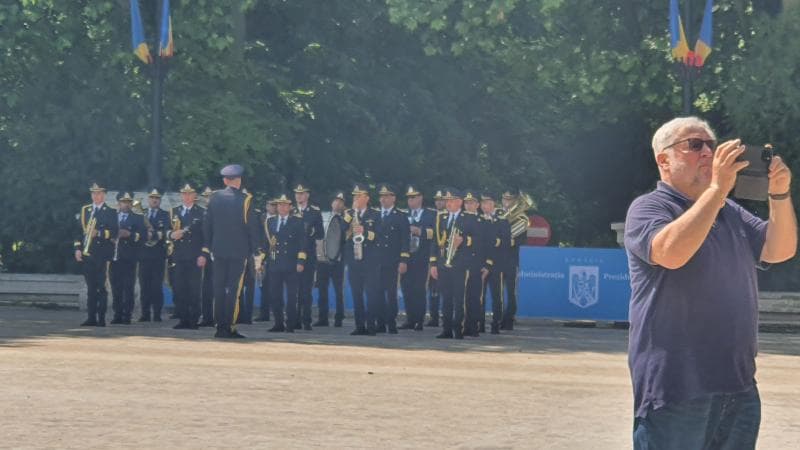
Imagine the 'whispers of princes and kings' that have drifted through these gardens over the centuries, as key historical figures strolled these very paths, contemplating matters of state or simply seeking solace. Beyond their intrinsic beauty, the gardens periodically host special events, such as retro car exhibitions, adding a dynamic layer to their historical charm. Furthermore, on certain occasions, visitors might even witness military guard changes and ceremonial drill displays, adding a touch of pomp and pageantry to the serene environment. An interesting local connection is the proximity to the Bucharest Botanical Garden, which is just across the street. Historically, the area occupied by the Botanical Garden was once part of the vast monastery fields belonging to Cotroceni, a testament to the extensive landholdings of the original complex.
Visitor Perspective
For the curious traveler, visiting the Gardens of Cotroceni Palace offers a deeply enriching experience. The opportunity to wander through these beautifully maintained grounds provides a unique sense of connection to Romanian history and natural splendor. The fact that the gardens, along with the inner courtyard and the historic Cotroceni Church, are often freely accessible to the public, especially on weekends, makes this an inviting destination for both locals and tourists.
While exploring the gardens independently is a joy in itself, guided tours of the Cotroceni Palace often incorporate aspects of the gardens, offering deeper insights into their design and historical significance. It is important to remember to bring a valid ID for entry to the palace complex, as security protocols are in place due to its function as a presidential residence. Many visitors describe the gardens as remarkably beautiful and exceptionally well-cared for, highlighting the vibrant rose displays and diverse plant life. The Cotroceni Gardens provide a peaceful and picturesque escape, allowing you to step away from the bustling city and immerse yourself in an environment where history, culture, and nature coalesce beautifully.
Coordinates: 26.06194, 44.43389
View on Google Maps💬 How Travelers Describe This Place
Based on community votes
Interesting
989Unique
613Photogenic
581Must See
514Beautiful
207
Traveler Stories
Discover memorable experiences shared by travelers who have visited this place.
No traveler stories yet.
Be the first traveler to share what made this place memorable.

Tour
By
Spot
Discover amazing places around the world. Your journey starts here.
Explore
© 2026 TourBySpot. All rights reserved.