Wat Ong Teu Mahawihan
Vientiane, Laos
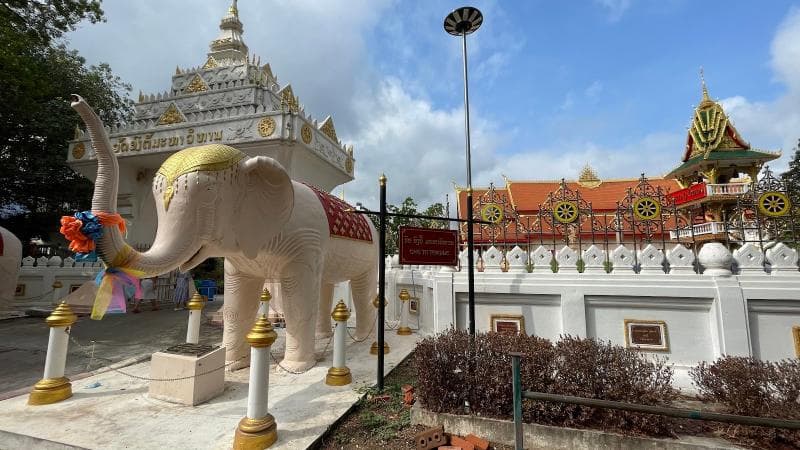
Discover Wat Ong Teu Mahawihan in Vientiane, Laos – home to the 'Heavy Buddha,' a sacred bronze statue, and a center for Buddhist learning.
Overview
Nestled in the historic heart of Vientiane, Laos, along the tranquil Mekong Riverside, lies Wat Ong Teu Mahawihan, a revered Buddhist temple often known as the 'Temple of the Heavy Buddha'. This significant spiritual site is distinguished by its colossal bronze Buddha image, Phra Ong Teu, which stands as the largest of its kind in the city. More than just a place of worship, Wat Ong Teu has long served as a prominent center for Buddhist education, welcoming monks from across Laos to delve into the teachings of the Dhamma. Its enduring presence, rich history, and the serene ambiance it offers make it a compelling destination for those seeking to understand Lao Buddhist culture.
History & Cultural Background
The origins of Wat Ong Teu Mahawihan trace back to the 16th century, a period often referred to as the golden age of Buddhism in Laos. It was founded by King Setthathirath I, a pivotal figure who moved the capital to Vientiane and commissioned several important monasteries, including this one. The temple's initial purpose was to house the magnificent Phra Ong Teu Buddha image. While the current structure has undergone multiple transformations, it is believed the site held religious significance as early as the 3rd century.
Like many historic landmarks in Vientiane, Wat Ong Teu faced considerable challenges. It suffered damage during the Siamese invasion of 1828, an event that devastated much of the city. Following this destruction, the temple was meticulously rebuilt and restored throughout the 19th and 20th centuries. In the 17th century, under King Souligna Vongsa, the temple evolved into a vital Buddhist learning center, a role it continues to uphold today. The French, during their protectorate in the early 20th century, also contributed to its reconstruction and possibly established a school here, further cementing its educational function.
What Makes It Special
The undisputed centerpiece of Wat Ong Teu Mahawihan is the Phra Ong Teu Buddha statue. This majestic bronze image, standing at an impressive 5.8 meters (19 feet) tall and weighing several tons, gives the temple its 'Heavy Buddha' moniker. It depicts the Buddha in the Bhumisparsha Mudra, the 'earth-touching' posture, symbolizing his enlightenment and steadfastness against temptation. The sheer scale and serene expression of Phra Ong Teu inspire deep reverence among devotees and visitors alike.
Beyond its iconic Buddha, the temple is celebrated for its distinctive traditional Lao Buddhist architecture. The main ordination hall (sim) showcases an elegant blend of Lao and Thai styles, adorned with intricate wood carvings, vibrant murals, and gilded ornamentation. The temple complex includes prayer halls, monk residences, and peaceful courtyards, all sharing a harmonious artistic motif. Notably, its multi-tiered curved roofs, a common feature in Asian architecture, are believed by some to ward off evil spirits, adding a layer of protective symbolism to its design. Wat Ong Teu is also one of the few temples to house the official residence of the Deputy Patriarch of the Lao monastic order and continues to serve as the prestigious Buddhist Institute, a major institution for Theravada Buddhist studies.
Stories, Fun Facts & Local Details
The name 'Ong Teu' itself refers to an ancient Lao unit of weight, highlighting the immense size and significance attributed to the Buddha image within. According to some accounts, the temple is believed to be strategically placed along a cardinal point in Vientiane, potentially aligning it with other significant temples, though this remains a point of local lore. The temple's exterior also features unique details, such as the naga serpent guardians at its entrance, believed to protect the sacred space.
For centuries, monks from various provinces and even neighboring countries have come to Wat Ong Teu to study the Dhamma, making it a crucible of Buddhist scholarship and spiritual development. The daily rhythm of monastic life is palpable here, with the low murmur of chanting monks often heard throughout the day. Visitors might even observe the traditional morning alms offerings, a deeply spiritual practice where locals present food to the monks, fostering a strong connection between the monastic community and the laypeople. The opportunity for 'monk chat' sessions, where visitors can engage with English-speaking monks, offers a unique window into Buddhist philosophy and daily life.
Visitor Perspective
Visiting Wat Ong Teu Mahawihan offers a profound and authentic cultural experience. Unlike some of Vientiane's more crowded attractions, this temple often maintains a tranquil atmosphere, allowing for a more reflective and personal encounter with Lao Buddhism. The serene environment, combined with the temple's architectural beauty and historical depth, makes it an ideal place for contemplation and photography.
The temple grounds, with their beautifully landscaped gardens, stone pathways, and lush greenery, invite leisurely exploration. When entering the temple, visitors are kindly reminded to dress modestly and remove their shoes as a sign of respect for the sacred space. While the main ordination hall housing the Phra Ong Teu Buddha is the primary draw, exploring the various shrines, prayer halls, and the overall peaceful ambiance of the complex reveals the spiritual heart of Vientiane. Observing the daily routines of the monks and witnessing local devotees engaged in worship can be a truly enriching experience.
Coordinates: 102.6038, 17.9656
View on Google Maps💬 How Travelers Describe This Place
Based on community votes
Interesting
948Photogenic
913Beautiful
595Must See
358Unique
196
Traveler Stories
Discover memorable experiences shared by travelers who have visited this place.
No traveler stories yet.
Be the first traveler to share what made this place memorable.
Things to see at Wat Ong Teu Mahawihan



Tour
By
Spot
Discover amazing places around the world. Your journey starts here.
Explore
© 2026 TourBySpot. All rights reserved.