Monastic School
Vientiane, Laos
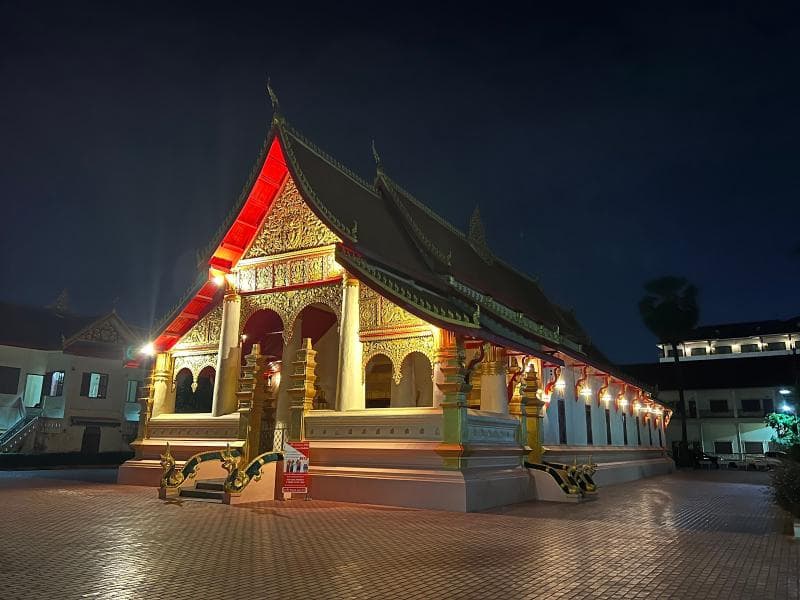
Discover the Monastic School at Wat Ong Teu Mahawihan in Vientiane, Laos—a historic Buddhist learning center for monks and a serene cultural site.
Overview
Nestled in the heart of Vientiane, Laos, Wat Ong Teu Mahawihan stands as a beacon of Buddhist spirituality and a cornerstone of monastic education. Often referred to as the 'Temple of the Heavy Buddha' due to its impressive central bronze statue, this revered complex is much more than a beautiful architectural marvel; it is a living, breathing center for learning and spiritual development. Within its tranquil grounds lies a monastic school, a vital institution where the ancient teachings of Theravada Buddhism are preserved and passed down through generations of monks. Here, the wisdom of the Dhamma permeates the air, offering a profound glimpse into Laos' deep spiritual heritage.
History & Cultural Background
The origins of Wat Ong Teu Mahawihan trace back to the mid-16th century, founded by King Setthathirat, a period often considered the golden age of Buddhism in Laos. While the site may have been used for religious purposes as early as the 3rd century BCE, the temple's current form is largely the result of extensive rebuilding in the 19th and 20th centuries, necessitated by destruction during wars, particularly the Siamese invasion of 1828. It was in the 17th century, under King Souligna Vongsa, that the monastery truly embraced its destiny as a major Buddhist educational center, transforming from a place for royal allegiance ceremonies to an institution dedicated to teaching, enlightening, and inspiring worshippers. Today, it proudly serves as the official residence of the Deputy Patriarch of the Lao monastic order, reinforcing its national significance as a hub for Buddhist scholarship.
What Makes It Special
The Monastic School at Wat Ong Teu Mahawihan is, in essence, the 'Buddhist Institute' – a revered place where monks from across Laos converge to immerse themselves in the teachings of the Buddha. This institution, with roots tracing back to the Pariyatti Dhamma School established in 1929, plays a pivotal role in the preservation of Theravada Buddhism. The curriculum is rich and comprehensive, traditionally encompassing Pāḷi and Dhamma studies, the life of the Buddha, the ancient Tham script used in palm-leaf manuscripts, Lao and Khmer languages, and even mathematics. The temple's commitment to education extends beyond the monastic community; historically, monasteries were primary educational centers for the wider population, especially for those without access to secular schooling. Even today, monks contribute to community welfare by assisting with adult literacy programs and teaching essential subjects in areas lacking formal educational infrastructure.
Stories, Fun Facts & Local Details
The name 'Ong Teu' itself holds a charming story, translating to 'Heavy Buddha,' a nod to the magnificent 5.8-meter-tall bronze Buddha statue housed within the main ordination hall. This imposing image, weighing several tons, is not just a centerpiece but a sacred icon that inspires awe and reverence. Legend has it that the sheer weight of this statue prevented invaders from plundering it, securing its presence within the temple through centuries of turmoil. The monastic school's daily rhythm is steeped in tradition, yet it also embraces a modern spirit. Visitors might witness the gentle murmur of monks chanting or even encounter novice monks eager to practice their English skills in 'monk chat' sessions, offering a unique cultural exchange. These spontaneous conversations often bridge diverse topics, from local culture to meditation techniques, fostering genuine connections. The serene courtyards, scented with sandalwood and jasmine, provide a backdrop to the monastic life, a tranquil counterpoint to the bustling city outside.
Visitor Perspective
A visit to the Monastic School within Wat Ong Teu Mahawihan offers a deeply immersive cultural and spiritual experience. It's a place to observe, learn, and reflect in an environment that feels both ancient and alive. Visitors are encouraged to respectfully witness the daily rituals, such as the early morning alms offerings, where saffron-robed monks collect food from devout locals. The temple's serene atmosphere provides an ideal setting for quiet contemplation, offering a respite from the fast pace of modern life. Engaging with the spiritual energy here means stepping into a continuous tradition of learning and devotion. Whether observing a meditation session or participating in an informal conversation with a novice monk, visitors gain a deeper appreciation for the role of Buddhism in Lao society and the dedication involved in monastic life. It's an opportunity to connect with a living tradition and perhaps find a moment of inner peace amidst the rich tapestry of Vientiane's cultural landscape.
Coordinates: 102.6038, 17.9656
View on Google Maps💬 How Travelers Describe This Place
Based on community votes
Unique
539Photogenic
517Must See
424Interesting
251Beautiful
234
Traveler Stories
Discover memorable experiences shared by travelers who have visited this place.
No traveler stories yet.
Be the first traveler to share what made this place memorable.

Tour
By
Spot
Discover amazing places around the world. Your journey starts here.
Explore
© 2026 TourBySpot. All rights reserved.