Courtyard
Vientiane, Laos
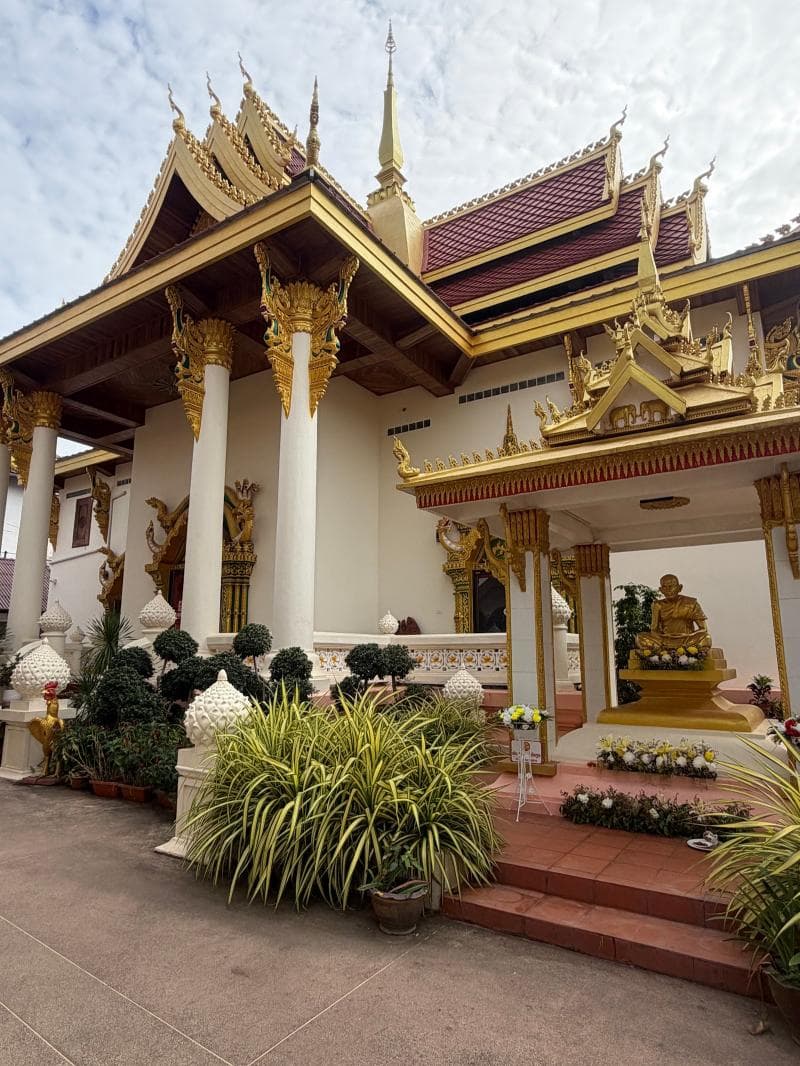
Explore the tranquil courtyards of Wat Ong Teu Mahawihan in Vientiane, Laos. Discover its rich history, spiritual ambiance, and the famous 'Heavy Buddha.'
Overview
Stepping into the courtyard of Wat Ong Teu Mahawihan in Vientiane, Laos, one immediately feels a shift in atmosphere, a tranquil embrace away from the city's gentle hum. This esteemed Buddhist temple, often referred to as the 'Temple of the Heavy Buddha,' is not just a collection of sacred buildings but a living, breathing spiritual campus. The courtyards, though not a single named entity, form the heart of this complex, inviting quiet contemplation and offering a glimpse into daily monastic life. They serve as peaceful conduits between the grand ordination hall, home to the awe-inspiring bronze Buddha statue, and the surrounding structures dedicated to study and meditation. Here, the beauty of traditional Lao Buddhist architecture unfolds amidst carefully maintained grounds, providing a serene setting for both devotees and curious travelers alike.
History & Cultural Background
Wat Ong Teu Mahawihan's story stretches back to the 16th century, when it was established by King Setthathirath, a pivotal figure in Lao history, during what is considered the golden age of Buddhism in Laos. Over centuries, like many temples in the region, it faced destruction, notably during the Siamese invasion around 1828, but was resiliently rebuilt and restored throughout the 19th and 20th centuries, attaining its current appearance. Originally, the temple may have been used for ceremonies of allegiance to the king. However, it was transformed into a vital Buddhist learning center in the 17th century by King Souligna Vongsa, drawing monks from across Southeast Asia to study the Dhamma. The temple's architectural style showcases a blend of traditional Lao influences, particularly the 'Luang Prabang I style', characterized by its multi-tiered roofs, intricate carvings, and elaborate murals depicting Buddhist narratives. The courtyards themselves have been central to this evolution, adapting to accommodate the rhythms of monastic education and spiritual practice, often featuring structures like prayer halls and monk residences around their perimeters.
What Makes It Special
The courtyards of Wat Ong Teu Mahawihan are more than just open spaces; they are integral to the temple's profound spiritual ambiance. They offer a unique sense of peace, a stark contrast to the bustle often found outside its walls. What makes these areas particularly special is their role in fostering an environment conducive to learning and reflection. As a major center for Buddhist education—housing the Buddhist Institute where monks from all over Laos come to study—the courtyards witness the daily routines of monastic life. Visitors can stroll along stone pathways, past lotus ponds and lush greenery, observing novice monks engaging in study or contemplation. The tranquil atmosphere found here complements the grandeur of the main ordination hall, which houses the colossal 5.8-meter-tall bronze Buddha statue, known as Phra Ong Teu. The courtyards allow for a gentle transition, preparing the mind for the reverence inspired by the 'Heavy Buddha' within.
Stories, Fun Facts & Local Details
The name 'Ong Teu' itself is a fun fact, translating to 'heavy Buddha,' a nod to the immense weight of the primary bronze statue, which is said to weigh several tons. The courtyards are alive with subtle sensory details that tell stories of devotion. In the early mornings, the air often carries the faint scent of sandalwood incense mingling with the damp stone after the daily watering of potted jasmine. If you arrive around 7 am, you might catch the subtle sweetness of sticky rice offerings left by elderly women for the monks. The low murmur of monks chanting from the adjacent school drifts through the courtyards, mixing with the occasional distant sound of Vientiane life, yet somehow enhancing the feeling of a sacred enclosure. It's a place where temple cats might stretch across warm bricks, and novice monks, eager to practice their English, might engage with patient visitors, offering a unique, lived-in feel rather than a museum-like solemnity. These moments paint a picture of an active, vibrant spiritual community.
Visitor Perspective
For the curious traveler, the courtyards of Wat Ong Teu Mahawihan offer an enriching and reflective experience. To truly appreciate this space, consider visiting in the early morning or late afternoon when the light is softer and the spiritual activities are more evident. The temple welcomes visitors daily, and exploring its grounds provides a profound sense of peace. It's an opportunity to observe Buddhist traditions respectfully; you might witness morning alms offerings or hear the resonance of daily prayers. Take your time to wander through the quiet paths, admire the traditional Lao architecture, and perhaps find a peaceful spot for personal reflection. Engaging with the serene environment of the courtyards provides a deeper understanding of the temple's significance not just as a historical monument, but as an active center of Buddhist faith and learning in Vientiane. Remember to dress respectfully, covering shoulders and knees, to honor the sacredness of the temple grounds.
Coordinates: 102.6038, 17.9656
View on Google Maps💬 How Travelers Describe This Place
Based on community votes
Must See
873Photogenic
521Unique
477Beautiful
422Interesting
157
Traveler Stories
Discover memorable experiences shared by travelers who have visited this place.
No traveler stories yet.
Be the first traveler to share what made this place memorable.

Tour
By
Spot
Discover amazing places around the world. Your journey starts here.
Explore
© 2026 TourBySpot. All rights reserved.