Temple Grounds
Vientiane, Laos
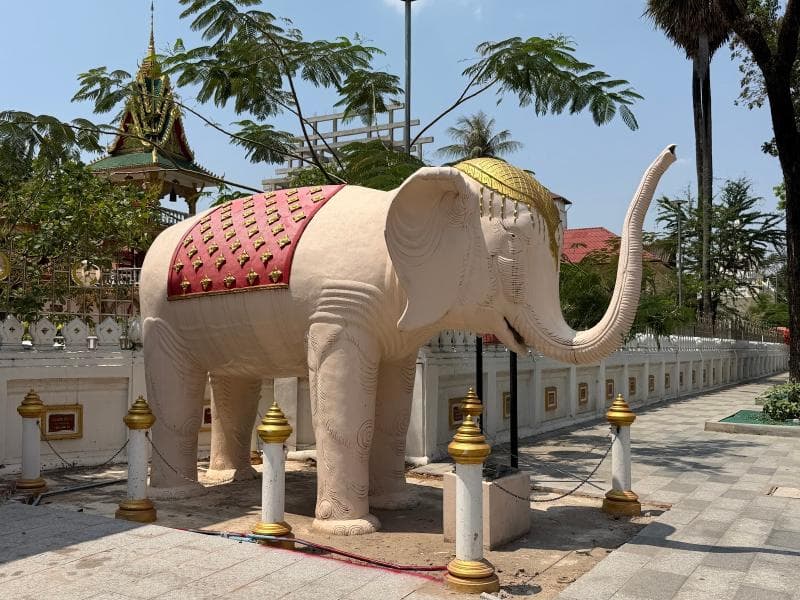
Explore the Temple Grounds of Wat Ong Teu Mahawihan in Vientiane, Laos, home to the colossal Phra Ong Teu Buddha statue and a vibrant Buddhist learning center.
Overview
Stepping into the Temple Grounds of Wat Ong Teu Mahawihan in Vientiane, Laos, is to enter a realm where centuries of devotion and learning converge. This revered Buddhist temple, prominently located in the historic center near the Mekong Riverside, is not merely a place of worship but a vibrant educational hub for Theravada Buddhism. It is famously home to the colossal bronze Buddha image, Phra Ong Teu, which lends the temple its popular name, 'Temple of the Heavy Buddha'. The grounds encompass a serene complex of beautifully maintained prayer halls, shrines, monk residences, and peaceful courtyards, offering visitors a profound glimpse into daily Buddhist life in Laos.
History & Cultural Background
The origins of Wat Ong Teu Mahawihan trace back to the 16th century, when it was established by King Setthathirath I, a significant figure in Lao history. Interestingly, some historical accounts suggest that the temple's foundations might rest upon an even older sanctuary, potentially a Hindu place of worship, dating as far back as the 3rd century BC, imbuing the site with an ancient, sacred gravitas. During the 17th century, under the reign of King Souligna Vongsa, Wat Ong Teu rose to prominence as a major Buddhist educational center, a role it continues to fulfill today. The temple holds a significant place in the nation's spiritual and political past, having served as a site where local nobility once swore solemn oaths of allegiance to the monarch. Like many of Vientiane's historical treasures, Wat Ong Teu endured the ravages of the Siamese invasion around 1828, suffering considerable damage. However, it was meticulously rebuilt and restored throughout the 19th and 20th centuries, ensuring its traditional architectural beauty and spiritual importance were preserved.
What Makes It Special
The undeniable centerpiece and main attraction of Wat Ong Teu Mahawihan is the magnificent Phra Ong Teu, an immense bronze Buddha statue. Standing an impressive 5.8 meters (19 feet) tall, and weighing several tons (often cited as six tons), this 'Heavy Buddha' is one of the largest and most significant Buddha images in Laos. The statue is depicted in the Bhumisparsha Mudra, a pose symbolizing the Buddha's moment of enlightenment and steadfastness against worldly temptations. Beyond its awe-inspiring central figure, Wat Ong Teu is renowned as a vital educational institution. It is the official residence of the Deputy Patriarch of Lao Buddhism and houses the Buddhist Institute, making it a leading center for Theravada Buddhist studies where monks from across the country come to learn and train. The temple's architecture is a stunning example of traditional Lao Buddhist design, featuring gracefully multi-layered roofs, intricate wood carvings, and vibrant murals that depict scenes from the life of the Buddha and Buddhist teachings, all contributing to its profoundly spiritual and tranquil atmosphere.
Stories, Fun Facts & Local Details
The temple's name, 'Ong Teu', directly references the traditional Lao unit of weight used to measure the colossal Buddha image, a testament to its immense scale. A popular local legend adds to the mystique of Phra Ong Teu, recounting that historical invaders who plundered Vientiane were unable to remove the massive statue from the monastery grounds due to its sheer, unyielding weight. The temple grounds themselves offer a sensory experience. Visitors often note the calming scent of sandalwood and damp stone, especially after the daily watering of potted jasmine. The presence of frangipani branches adds to the serene ambiance, with their blooms often catching the morning light. It is not uncommon to witness the gentle rhythms of monastic life, from the low murmuring chants of monks from the adjacent school to the quiet presence of temple cats stretching in sunlit courtyards. Novice monks are often eager to practice their English, offering a unique opportunity for cultural exchange and deeper understanding of their daily lives and Buddhist traditions. The temple's central location near the Mekong River and the city's night market also places it in a culturally rich district. Furthermore, Wat Ong Teu is considered to be situated in a particularly auspicious location, surrounded by four other significant temples: Wat Inpeng to the north, Wat Mixay to the south, Wat Haysok to the east, and Wat Chan to the west.
Visitor Perspective
For those seeking to explore the spiritual heart of Vientiane, a visit to Wat Ong Teu Mahawihan offers a deeply enriching experience. The temple typically welcomes visitors daily, with extensive opening hours from early morning to late evening (for example, 05:00 to 21:45), allowing for flexibility in planning your visit. A typical visit might last between 30 to 60 minutes, providing ample time to admire the central Buddha statue, explore the beautifully decorated ordination hall, and stroll through the peaceful grounds. However, for those wishing to partake in the tranquil atmosphere, attend daily prayers, or engage in quiet meditation, allocating more time is highly recommended. When visiting, it is important to observe appropriate temple etiquette, including wearing respectful attire. One of the most unique and moving experiences available is witnessing the morning alms offering, usually around 5:45 AM, where local residents offer food to the monks in a centuries-old tradition. Beyond the main hall, take time to discover the temple's various prayer halls, intricate shrines, the distinctive bell and drum towers, and the smaller stupas scattered throughout the compound. Engaging with the English-speaking monks, if the opportunity arises, can provide invaluable insights into Buddhist practices and the temple's significance.
Coordinates: 102.603749, 17.965591
View on Google Maps💬 How Travelers Describe This Place
Based on community votes
Must See
539Unique
517Interesting
422Photogenic
394Beautiful
251
Traveler Stories
Discover memorable experiences shared by travelers who have visited this place.
No traveler stories yet.
Be the first traveler to share what made this place memorable.

Tour
By
Spot
Discover amazing places around the world. Your journey starts here.
Explore
© 2026 TourBySpot. All rights reserved.