Tran Quoc Pagoda
Hanoi, Vietnam
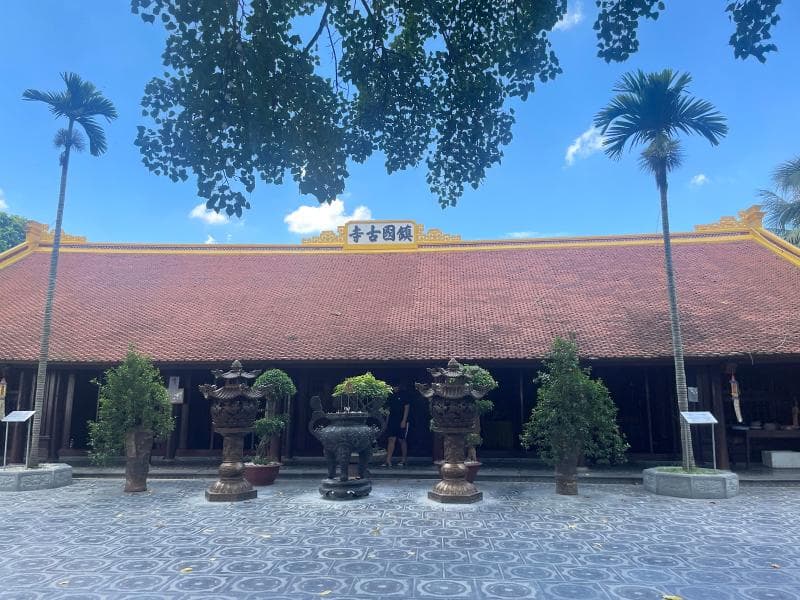
Discover Tran Quoc Pagoda, Hanoi's oldest Buddhist temple, a serene sanctuary on West Lake with rich history and stunning architecture.
Overview
Nestled peacefully on an islet within West Lake, Tran Quoc Pagoda stands as Hanoi, Vietnam's oldest Buddhist temple, embodying over 1,500 years of history and spiritual heritage. This revered site, connected to Thanh Nien Road by a causeway, offers a tranquil escape from the bustling city. Recognized as a National Historical and Cultural Monument in 1989, the pagoda is celebrated for its profound historical significance, cultural value, and striking architectural beauty. Its picturesque setting amidst the serene waters has earned it international acclaim, being named among the world's most beautiful pagodas by publications like the British newspaper Daily Mail and travel site Thrillist.
History & Cultural Background
Tran Quoc Pagoda's origins trace back to the 6th century, specifically between 541 and 545 AD, during the reign of Emperor Ly Nam De. Initially known as 'Khai Quoc Pagoda,' meaning 'Founding Nation,' it was first situated on the banks of the Red River, symbolizing the nation's early adoption of Buddhism. However, due to natural erosion by the river, the pagoda was carefully relocated in the 17th century to its current, more stable position on Kim Ngu (Golden Fish) Islet within West Lake. It was during the reign of King Le Hy Tong that the pagoda received its current name, 'Tran Quoc,' which translates to 'Protecting the Nation.' This name change reflects its enduring role as a spiritual guardian, safeguarding national peace and stability. Throughout the Ly and Tran Dynasties, the pagoda served as a vital Buddhist center, a place where Vietnamese emperors and royal families frequently visited for important ceremonies and festivals. Despite numerous renovations over the centuries, the pagoda has remarkably maintained its traditional architectural style and spiritual essence.
What Makes It Special
The allure of Tran Quoc Pagoda lies in its harmonious blend of natural beauty and exquisite architecture. Its location on an island, surrounded by the calm waters of West Lake and connected to Truc Bach Lake, creates a uniquely peaceful and photogenic environment.
- The 11-Tiered Lotus Tower: A central architectural marvel is the 15-meter high, 11-tiered lotus tower, known as 'Bao Thap Luc Do Dai Sen,' which was added in 1998 or 2004. Each tier of this impressive stupa features six arched doorways, inside each of which rests a statue of Amitabha Buddha, often crafted from precious stones. Crowning the tower is a magnificent nine-tiered lotus, symbolizing purity and spiritual ascension.
- Traditional Vietnamese Architecture: The pagoda complex itself showcases traditional Vietnamese Buddhist architectural styles, characterized by curved roofs, wooden pillars, and vibrant red lacquer. The layout includes three main houses: the Front Hall, the House of Incense Burning, and the Upper Palace, arranged along a central axis.
- The Sacred Bodhi Tree: A profound spiritual symbol within the pagoda grounds is the Bodhi tree, a direct descendant of the original tree in Bodh Gaya, India, under which Siddhartha Gautama attained enlightenment. This sacred tree was gifted to the pagoda in 1959 by Indian President Rajendra Prasad, serving as a powerful emblem of wisdom, compassion, and the enduring connection between global Buddhist traditions.
- Historical Artifacts: The pagoda houses valuable historical and religious artifacts, including ancient Buddhist statues, some dating back to 1639. The Stele House (Nha Bia) preserves 14 stone steles, with one notable inscription from 1815 detailing restoration efforts, offering insights into the pagoda's long history.
Stories, Fun Facts & Local Details
Beyond its ancient stones and serene waters, Tran Quoc Pagoda is rich with cultural narratives. Its original name, 'Khai Quoc,' underscored Vietnam's nascent commitment to Buddhism during its formative years. The later name, 'Tran Quoc,' was not merely a title but a reflection of the pagoda's perceived role in safeguarding the nation. Local lore suggests it is a particularly sacred place for those seeking luck, peace, and even love. Vietnamese kings and mandarins were so captivated by its beauty that they composed numerous poems about it. The pervasive lotus motif throughout the architecture symbolizes purity, enlightenment, and achievement, core tenets of Buddhist philosophy. The pagoda continues to be a vibrant center of worship, drawing large crowds, especially on the first and fifteenth days of the lunar month and during the Tet festival, when devotees gather to offer prayers and incense.
Visitor Perspective
For travelers exploring Hanoi, Tran Quoc Pagoda offers a deeply enriching cultural experience. The pagoda is generally open daily, typically from 8:00 AM to 4:00 PM, though hours may extend on significant Buddhist days. Admission is free, making it an accessible historical and spiritual landmark. Visitors are respectfully reminded to adhere to a modest dress code, ensuring shoulders and knees are covered, to honor the sanctity of the site. For a more serene experience away from larger crowds, visiting on weekdays or during the early morning is recommended. Located approximately 4 to 5 kilometers northwest of Hanoi's Old Quarter, the pagoda is easily reachable by taxi, bus, motorbike, or bicycle. A visit provides not only stunning visual beauty but also a profound connection to Vietnam's ancient spiritual heart.
Coordinates: 105.8367, 21.0478
View on Google Maps💬 How Travelers Describe This Place
Based on community votes
Photogenic
685Interesting
446Beautiful
152Unique
33Must See
16
Traveler Stories
Discover memorable experiences shared by travelers who have visited this place.
No traveler stories yet.
Be the first traveler to share what made this place memorable.
Things to see at Tran Quoc Pagoda



Tour
By
Spot
Discover amazing places around the world. Your journey starts here.
Explore
© 2026 TourBySpot. All rights reserved.