Bell Tower
Hanoi, Vietnam
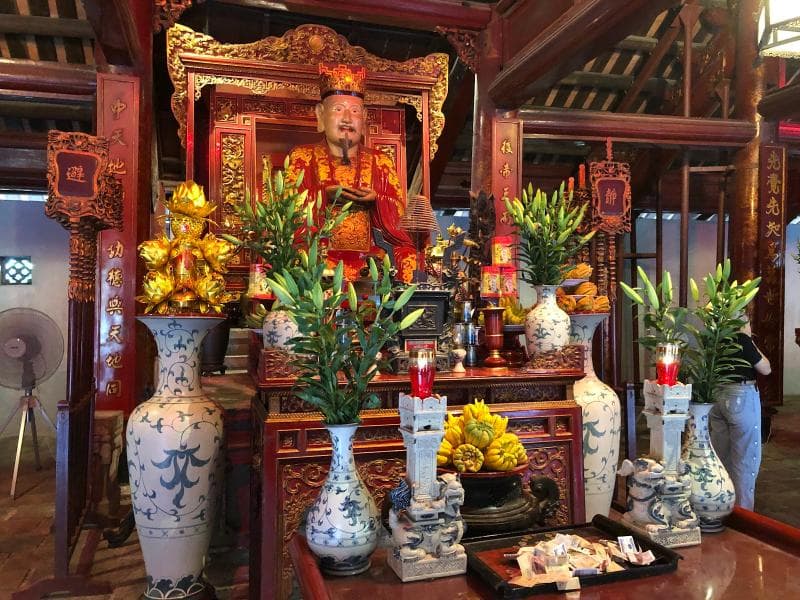
Discover the historic Bell Tower at Tran Quoc Pagoda, Hanoi, Vietnam. Explore its traditional architecture and cultural significance in this ancient Buddhist temple.
Overview
Nestled on a tranquil islet within Hanoi's West Lake, the Tran Quoc Pagoda stands as Vietnam's oldest Buddhist temple, a serene sanctuary amidst the bustling city. Within its historic grounds, visitors discover a rich tapestry of spiritual and architectural wonders, including the unassuming yet significant Bell Tower. This modest, three-compartment wooden structure with its distinctive red scale-tiled roof is an integral part of the pagoda's ancient charm, often found behind the Upper Hall, anchoring a sense of timeless tradition. It’s a place where the echoes of history resonate, inviting contemplation and a deeper connection to Vietnamese Buddhist heritage.
History & Cultural Background
The Tran Quoc Pagoda itself boasts an impressive history spanning over 1,500 years, making it Hanoi's most ancient Buddhist temple. Originally founded in the 6th century under Emperor Ly Nam De as Khai Quoc Pagoda along the Red River, it was later relocated to its current peaceful setting on Kim Ngu Islet in 1615 due to erosion. Throughout centuries, the pagoda underwent various name changes and significant renovations under different dynasties, notably adopting the name 'Tran Quoc' during King Le Hy Tong's reign, symbolizing 'Protecting the Nation'. While specific dates for the Bell Tower's construction are less documented than the pagoda's grand stupa, its architectural style suggests it has been a feature for a considerable period, contributing to the site's enduring spiritual atmosphere. The presence of bells and statues was noted during the Nguyen Dynasty, indicating the Bell Tower's traditional role in the pagoda's religious practices.
What Makes It Special
The Bell Tower of Tran Quoc Pagoda stands out not for its monumental size, but for its authentic representation of traditional Vietnamese temple architecture. It is a classic three-compartment wooden structure, characterized by its elegant red scale-tiled roof, harmoniously blending with the surrounding ancient buildings. Its position behind the Upper Hall, flanked by the ancestral house and the stele house, highlights its ceremonial importance within the pagoda's layout. This arrangement follows strict Buddhist principles, emphasizing balance and spiritual serenity. The tower is a subtle reminder of the rituals and daily life within the pagoda, where the resonant sound of a bell traditionally marked time for meditation and prayers, calling monks and devotees to practice. It embodies the quiet reverence that defines this sacred space.
Stories, Fun Facts & Local Details
While the Bell Tower itself might not have singular dramatic tales associated with it, its significance is interwoven with the larger narrative of Tran Quoc Pagoda. Imagine the sound of a bell from this tower echoing across West Lake centuries ago, a calming presence for the residents of Thang Long (ancient Hanoi). These chimes would have announced the dawn, heralded prayer times, and perhaps even marked moments of peace or warning throughout the city's long history. It is a place that grounds visitors in the daily rhythms of Buddhist life. Local devotees visiting Tran Quoc Pagoda often seek out all elements of the temple complex, understanding that each structure, no matter how small, plays a part in the spiritual ecosystem. The tower, though unassuming, is a testament to the enduring craftsmanship and spiritual dedication of generations of Vietnamese artisans and monastics.
Visitor Perspective
Approaching the Bell Tower as a visitor offers a glimpse into the functional beauty of Vietnamese sacred architecture. It is often encountered after exploring the main halls and the impressive multi-tiered stupa. The tower's simple elegance provides a contrast to the more elaborate structures, drawing attention to its practical and symbolic role. Standing near it, one can appreciate the meticulous details of its wooden construction and the traditional tiled roof. It invites a moment of quiet reflection on the passage of time and the continuity of faith within these ancient walls. The Bell Tower contributes to the overall peaceful ambiance of Tran Quoc Pagoda, allowing travelers to connect with the spiritual heart of Hanoi in a meaningful and authentic way, beyond just sightseeing. Its presence enhances the pagoda's ability to offer a tranquil escape and a rich cultural experience.
Coordinates: 105.83678862448232, 21.047842527417696
View on Google Maps💬 How Travelers Describe This Place
Based on community votes
Photogenic
982Beautiful
903Must See
481Unique
458Interesting
197
Traveler Stories
Discover memorable experiences shared by travelers who have visited this place.
No traveler stories yet.
Be the first traveler to share what made this place memorable.

Tour
By
Spot
Discover amazing places around the world. Your journey starts here.
Explore
© 2026 TourBySpot. All rights reserved.