Buddhist Statues Area
Hanoi, Vietnam
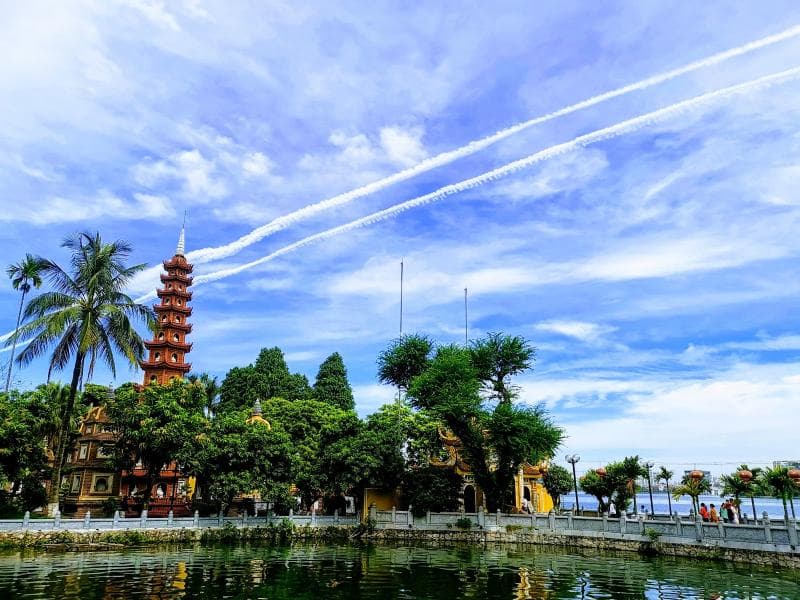
Explore the serene Buddhist Statues Area within Tran Quoc Pagoda, Hanoi, Vietnam. Discover ancient, intricately carved statues and their profound spiritual significance.
Overview
Nestled serenely on an islet within Hanoi's West Lake, the Tran Quoc Pagoda stands as Vietnam's oldest Buddhist temple, a spiritual beacon dating back over 1,500 years. Within its ancient walls, the Buddhist Statues Area offers a profound glimpse into Vietnamese religious art and devotion. This sacred space is not a single, confined area but rather an integral part of the pagoda's architectural design, where magnificent sculptures are thoughtfully placed to inspire reverence and contemplation. Visitors will discover a remarkable collection of Buddhist imagery, from towering stupas adorned with numerous Buddha figures to intricately carved statues housed in the main worship halls, each telling a story of faith and history in the heart of Vietnam's bustling capital.
History & Cultural Background
The history of Tran Quoc Pagoda is as rich and enduring as the statues it protects. Originally known as Khai Quoc, meaning 'Founding the Nation', the pagoda was built in the 6th century (around 541-545 AD) during the reign of Emperor Ly Nam De, making it the oldest Buddhist temple in Hanoi. It was initially located along the banks of the Red River, but due to river encroachment, it was relocated in 1615 to its current peaceful site on Kim Ngu Islet, within West Lake. The pagoda was later renamed Tran Quoc, meaning 'Protecting the Nation', reflecting its significant role in Vietnamese culture and history as a spiritual anchor for peace and prosperity. Throughout the centuries, Tran Quoc Pagoda has remained a pivotal center for Vietnamese Buddhism, witnessing numerous royal visits and becoming a place where kings and commoners alike sought spiritual solace. The statues within the pagoda are not merely decorative; they are central to the pagoda's religious function and embody the evolving artistic and spiritual traditions of Vietnam.
What Makes It Special
The Buddhist Statues Area at Tran Quoc Pagoda is particularly special due to the sheer number, artistic quality, and spiritual significance of its figures. The most striking feature is arguably the Bao Thap, an 11-storey stupa (pagoda tower) that stands approximately 15 meters tall. Each of its 11 tiers features six arched windows, and within each window resides a meticulously crafted Amitabha Buddha statue made from precious stone. This amounts to a total of 66 Amitabha Buddha statues adorning the tower, symbolizing enlightenment and compassion. The stupa is crowned by a nine-tiered lotus pedestal, also made of gemstone, representing spiritual ascension and purity.
Beyond the impressive stupa, the Upper House (Thuong Dien) is considered the most revered space within the complex. It houses a remarkable collection of ancient Buddhist statues, including depictions of the Buddha, Bodhisattvas, and Arhats (enlightened disciples). These statues are intricately carved, showcasing the profound artistry and spiritual devotion of generations of Vietnamese craftsmen.
In the Front House (Tien Duong), visitors can admire a notable statue of Shakyamuni Buddha, crafted from wood with glossy golden paint. This particular statue has earned recognition as one of the most beautiful Lying Buddha statues in Vietnam, captivating visitors with its serene expression and artistic detail. The pagoda also features statues made from various materials like bronze, stone, and ceramic, some dating back to 1639, each possessing unique facial features and artistic characteristics.
Stories, Fun Facts & Local Details
One of the most cherished stories connected to the Buddhist Statues Area, though not a statue itself, is the sacred Bodhi tree located within the pagoda grounds. This tree is a direct descendant of the original Bodhi tree in Bodh Gaya, India, under which Siddhartha Gautama attained enlightenment. It was gifted to the pagoda in 1959 by Indian President Rajendra Prasad during his visit to Vietnam. Locals and visitors often regard this tree with immense reverence, seeing it as a living link to the Buddha's own spiritual journey.
The meticulous craftsmanship of the statues, particularly those dating from 1639, reveals a fascinating level of detail, with each figure bearing distinct and often expressive facial features. This individualization speaks to the deep respect and dedication of the artisans. The pagoda itself is admired for its architectural design, which harmoniously blends with the natural landscape, with its main houses connected in a way that resembles a blooming lotus flower, a potent symbol of purity and enlightenment in Buddhism.
Tran Quoc Pagoda has gained international acclaim, being listed among the world's most beautiful pagodas by publications like the British newspaper Daily Mail and Thrillist, an achievement that highlights its aesthetic appeal and cultural significance globally. For locals, the statues are more than art; they are focal points for prayer and offerings, where people light incense and seek blessings for peace, health, and good fortune, especially during festivals and full moon days.
Visitor Perspective
A visit to the Buddhist Statues Area within Tran Quoc Pagoda offers a deeply enriching experience, immersing travelers in a profound sense of tranquility and spiritual heritage. As you wander through the complex, the presence of these ancient and beautifully crafted statues creates an atmosphere of reverence, inviting introspection and quiet contemplation. The gentle fragrance of incense, combined with the peaceful setting by West Lake, provides a welcome escape from the city's hustle and bustle. It's a place where you can witness the continuity of Buddhist practice in Vietnam, observing devotees offering their prayers and gaining a deeper understanding of the cultural and religious values that have shaped this nation for centuries. The statues, with their serene expressions and intricate details, serve as powerful reminders of the enduring path to enlightenment and compassion, making the visit not just sightseeing, but a meaningful journey of discovery.
Coordinates: 105.83678862448232, 21.047842527417696
View on Google Maps💬 How Travelers Describe This Place
Based on community votes
Unique
672Photogenic
671Interesting
356Beautiful
225Must See
19
Traveler Stories
Discover memorable experiences shared by travelers who have visited this place.
No traveler stories yet.
Be the first traveler to share what made this place memorable.

Tour
By
Spot
Discover amazing places around the world. Your journey starts here.
Explore
© 2026 TourBySpot. All rights reserved.