Prayer Hall
Hanoi, Vietnam
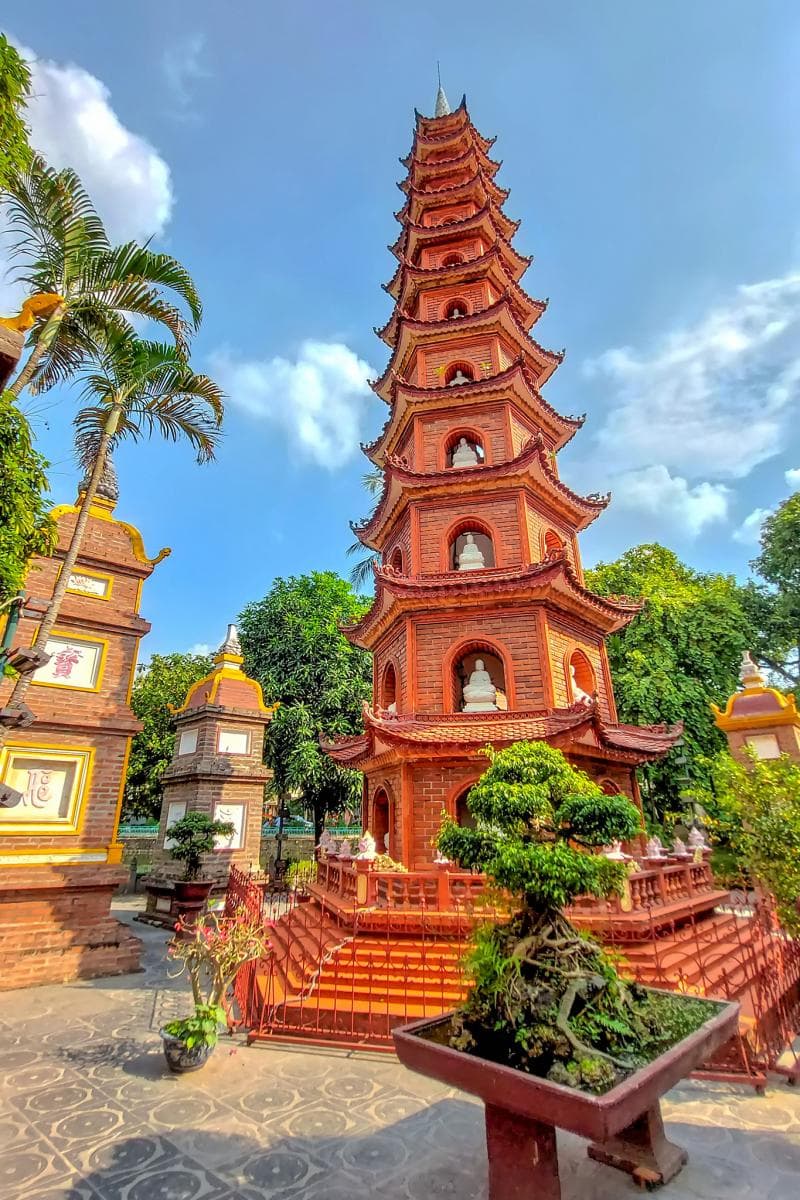
Explore the sacred Prayer Hall within Tran Quoc Pagoda in Hanoi, Vietnam. Discover its ancient history, intricate architecture, and spiritual significance.
Overview
Nestled gracefully on a serene islet within Hanoi's expansive West Lake, the Tran Quoc Pagoda stands as Vietnam's oldest Buddhist temple, a testament to over 1,500 years of spiritual heritage. Within this revered complex, the heart of devotion beats strongest in its dedicated prayer spaces. While the pagoda encompasses several areas for spiritual practice, the most prominent and sacred is widely recognized as the Upper House, known locally as Thuong Dien. This main prayer hall, alongside the Front Hall and the Incense Burning House, offers visitors and devotees alike an immersive experience into Vietnamese Buddhist traditions and architectural grandeur. These halls serve as sanctuaries for introspection, prayer, and connection to a profound spiritual legacy.
History & Cultural Background
The origins of Tran Quoc Pagoda trace back to the 6th century during the reign of Emperor Ly Nam De, when it was initially named Khai Quoc Pagoda, signifying 'Founding Nation'. Originally situated along the Red River, the pagoda was strategically relocated in 1615 to its present tranquil islet on West Lake to safeguard it from erosion. This move marked a significant chapter in its history, further solidifying its presence as a spiritual beacon. The pagoda received its current name, Tran Quoc, meaning 'Protecting the Nation', during the reign of King Le Hy Tong (1681-1705), reflecting its esteemed role in safeguarding national peace and prosperity. Throughout the centuries, the pagoda has been a pivotal center for Vietnamese Buddhism, witnessing numerous royal visits and serving as a focal point for spiritual devotion and cultural exchange.
What Makes It Special
The prayer halls of Tran Quoc Pagoda, especially the Upper House (Thuong Dien), are exemplary showcases of traditional Vietnamese Buddhist architecture. They feature distinctive red-tiled roofs, sturdy wooden pillars, and exquisitely intricate carvings that narrate tales of spiritual devotion and ancient craftsmanship. The Upper House, considered the most revered space, houses an impressive array of ancient Buddhist statues, including depictions of Buddha, Bodhisattvas, and Arhats. Each statue is a masterpiece, intricately carved and imbued with spiritual significance, reflecting generations of artistic and religious dedication. The harmonious arrangement of the Front Hall, Incense Burning House, and Upper House adheres to traditional Buddhist architectural principles, thoughtfully designed to foster an atmosphere conducive to contemplation and mindfulness. The serene ambiance within these halls is further enhanced by the soft glow of flickering candlelight and the pervasive, soothing fragrance of incense, cultivating a deep sense of spiritual connection for those who enter.
Stories, Fun Facts & Local Details
Visiting the prayer halls at Tran Quoc Pagoda offers a glimpse into the living practices of Vietnamese Buddhism. Here, worshippers engage in rituals that have been performed for centuries, such as offering prayers, lighting incense sticks, and seeking blessings for peace, prosperity, and good fortune. The act of burning incense is particularly meaningful; it is a cherished ritual symbolizing the purification of intentions and the ascent of prayers to higher spiritual realms. Unlike more performative ceremonies, worship within the Upper House often involves quiet meditation and the chanting of Buddhist scriptures, providing a deeply personal and introspective spiritual experience. The pagoda is a place where various Buddhist figures are venerated, including Amitabha Buddha, Shakyamuni Buddha, and Avalokitesvara Bodhisattva. A notable feature in the pagoda grounds, closely associated with its spiritual essence, is a sacred Bodhi tree, a direct descendant of the tree under which Buddha attained enlightenment. This tree was a gift from the President of India in 1959, symbolizing the enduring ties between Buddhist communities internationally.
Visitor Perspective
For any curious traveler, stepping into the prayer halls of Tran Quoc Pagoda is an invitation to partake in a profound cultural and spiritual journey. The atmosphere is one of immense peace and tranquility, offering a serene escape from the lively energy of Hanoi. To honor the sanctity of these spaces, visitors are kindly requested to dress modestly, ensuring shoulders and knees are covered. Observing the quiet devotion of local worshippers, the rhythmic chanting, and the mindful rituals provides a unique and moving insight into the spiritual heart of Vietnam. It is an opportunity not just to witness, but to feel the centuries of faith and tradition that permeate every corner of this ancient pagoda, leaving a lasting impression of calm and reverence.
Coordinates: 105.8367886, 21.0478425
View on Google Maps💬 How Travelers Describe This Place
Based on community votes
Must See
847Photogenic
712Beautiful
513Unique
482Interesting
62
Traveler Stories
Discover memorable experiences shared by travelers who have visited this place.
No traveler stories yet.
Be the first traveler to share what made this place memorable.

Tour
By
Spot
Discover amazing places around the world. Your journey starts here.
Explore
© 2026 TourBySpot. All rights reserved.