Thang Long Imperial Citadel
Hanoi, Vietnam
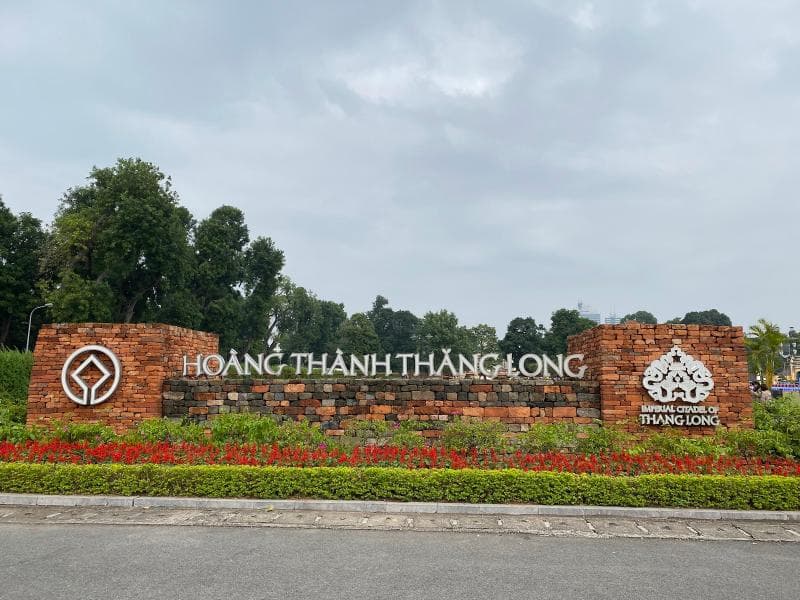
Explore the Thang Long Imperial Citadel in Hanoi, Vietnam, a UNESCO World Heritage Site. Discover over 1000 years of Vietnamese history, ancient ruins, and royal legacy.
Overview
Nestled in the heart of Hanoi, Vietnam, the Thang Long Imperial Citadel stands as a profound testament to over a millennium of Vietnamese history. Designated a UNESCO World Heritage Site in 2010, this ancient complex served as the political and cultural epicenter for many powerful dynasties. Spanning approximately 18.395 square meters, it offers a unique journey through time, revealing the enduring spirit and rich heritage of the Vietnamese people.
History & Cultural Background
The story of the Thang Long Imperial Citadel begins in the 7th century, built upon the foundations of a former Chinese fortress. Its pivotal moment arrived in 1010 when Emperor Ly Thai To, recognizing the strategic significance of the location, moved his capital here from Hoa Lu. Legend has it that upon arriving, he witnessed a golden dragon ascending into the sky, leading him to name the new capital Thang Long, meaning 'Rising Dragon.' For nearly 13 centuries, the citadel remained the seat of power, continuously expanded and renovated by successive dynasties, including the Ly, Tran, Le, and Nguyen. Extensive archaeological excavations, particularly since 2002, have unearthed remarkable relics spanning these 13 centuries, showcasing intricate cultural exchanges with neighboring civilizations like China and Champa, as well as later influences from France. Although much of the original grandeur was lost, especially during the French colonial period when parts were demolished for offices and barracks, its historical significance never faded. In recognition of its profound importance, the citadel was declared a Special Relic of National Significance in 2009 before achieving its UNESCO World Heritage status.
What Makes It Special
What truly sets the Thang Long Imperial Citadel apart is its remarkable layered history, vividly present in its archaeological findings. At the 18 Hoang Dieu Archaeological Site, visitors can observe the unearthed remnants of foundations, ancient wells, and ceramics, dating back through successive dynasties. These discoveries provide tangible proof of how different rulers continuously rebuilt and reshaped the political heart of Hanoi. The citadel acts as a powerful symbol of Vietnam's resilience and profound cultural depth. Architectural highlights include the majestic Doan Mon Gate, which served as the grand main entrance to the royal palace, and the foundation of the Kinh Thien Palace, where emperors once held court, still featuring its impressive stone dragon steps. The Hanoi Flag Tower, a striking monument, is another significant feature that notably survived the widespread destruction during the French colonial era.
Stories, Fun Facts & Local Details
The very name 'Thang Long' carries a captivating tale of a golden dragon sighting by Emperor Ly Thai To, an omen that inspired the capital's name. A fascinating detail is how the Hanoi Flag Tower, an imposing 33.4-meter structure (41 meters with the flag), was preserved by the French during their colonial rule because they found it useful as a military post. Within the complex, the D67 House and Bunker offer a glimpse into more recent history, having served as a crucial command center during the Vietnam War for high-level meetings. For those looking to immerse themselves further, the citadel offers a unique opportunity to rent traditional Vietnamese attire, such as Ao Tac, Ao Dai Ngu Than, and Ao Nhat Binh, allowing visitors to capture memorable photos in an authentic historical setting. The 'Decoding the Imperial Citadel of Thang Long' night tour also provides an immersive experience, illuminating stories from the 7th to the 19th centuries.
Visitor Perspective
Visiting the Thang Long Imperial Citadel is an enriching experience for any traveler to Hanoi. Located conveniently at 19C Hoang Dieu Street, in the Ba Dinh District, it is easily accessible from various parts of the city. Public transportation options like buses, taxis, and ride-hailing services make reaching the site straightforward. To fully appreciate its extensive grounds and archaeological treasures, it is recommended to allocate at least two to three hours for your visit. The ideal times to explore are during the spring (February to April) or autumn (September to November), when Hanoi's weather is pleasantly mild and conducive to outdoor exploration. As a site of profound historical and cultural importance, visitors are encouraged to dress modestly and respectfully. The citadel's central location also places it in close proximity to other significant Hanoi landmarks, including the Ho Chi Minh Mausoleum, the One Pillar Pagoda, and the Vietnam Military History Museum, making it an excellent anchor for a day of historical exploration.
Coordinates: 105.83722, 21.03944
View on Google Maps💬 How Travelers Describe This Place
Based on community votes
Photogenic
848Interesting
830Must See
466Unique
410Beautiful
136
Traveler Stories
Discover memorable experiences shared by travelers who have visited this place.
No traveler stories yet.
Be the first traveler to share what made this place memorable.
Things to see at Thang Long Imperial Citadel



Tour
By
Spot
Discover amazing places around the world. Your journey starts here.
Explore
© 2026 TourBySpot. All rights reserved.