State Museum Of The History Of Uzbekistan
Tashkent, Uzbekistan
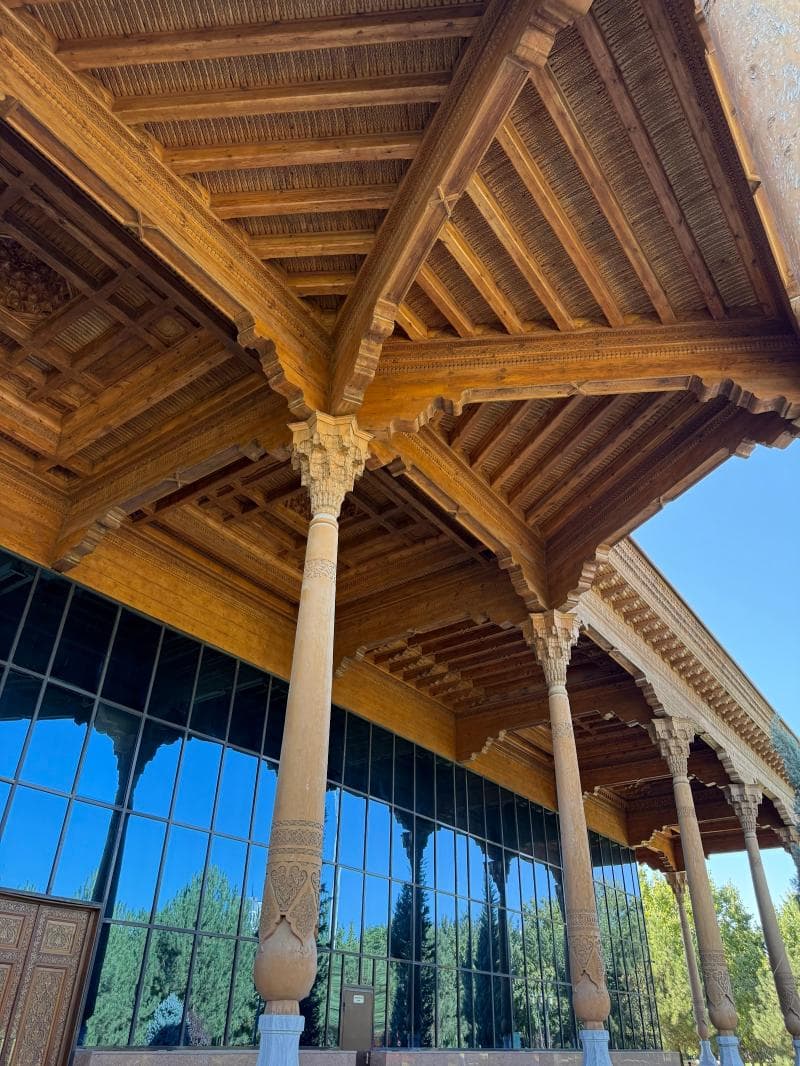
Explore Uzbekistan's rich past at the State Museum of the History of Uzbekistan in Tashkent, featuring over 250,000 artifacts from the Stone Age to modern times. A must-visit cultural gem.
Overview
The State Museum of the History of Uzbekistan, nestled in the vibrant heart of Tashkent, is a monumental custodian of the nation's profound past. Established in 1876 as the National Museum of Turkestan, it proudly holds the distinction of being one of Central Asia's oldest and most significant museums. This grand institution serves as a gateway to understanding Uzbekistan's journey from prehistoric epochs to its modern-day identity. With an extensive collection boasting over 250,000 to 300,000 exhibits, the museum meticulously traces the region's rich tapestry through archaeology, numismatics, and ethnography. The museum's imposing building, constructed in 1970, is a striking example of modernist architecture, softened by decorative sun-shading screens inspired by traditional Uzbek panjara latticework. In a testament to its architectural and cultural significance, the building was notably inscribed on the UNESCO World Heritage List in 2026 as part of the 'Tashkent Modernist Architecture' property. Following a period of renovation, the museum enthusiastically reopened its doors in July 2026, ready to welcome curious travelers and scholars alike.
History & Cultural Background
The museum's origins trace back to 1876, when it was founded as the National Museum of Turkestan, a crucial step in preserving the rich heritage of the region. Over the decades, it evolved, undergoing various name changes, including a period as the Lenin Museum, before finally being designated the State Museum of the History of Uzbekistan. Its academic foundation was solidified in 1943 when it became an integral part of the Academy of Sciences of Uzbekistan, and it officially attained state museum status in 1992. The museum's exhibits are thoughtfully arranged to illustrate the continuous thread of historical and cultural development that has shaped Uzbekistan. Visitors embark on a chronological voyage, beginning with primitive societies and ancient civilizations that flourished along the fabled Silk Road, then moving through the influential Islamic periods, the glorious Timurid era, the complex age of the three Khanates, the Soviet period, and finally, the contemporary history of independent Uzbekistan.
What Makes It Special
What truly sets the State Museum of the History of Uzbekistan apart is its status as the oldest museum in Central Asia, housing an unparalleled collection that illuminates the region's diverse past. Its immense fund of over a quarter-million artifacts includes archaeological treasures, rare numismatic finds, and ethnographic pieces. Among its most celebrated exhibits is the remarkably preserved alabaster Buddha relief discovered at Fayaz Tepe, dating back to the 2nd century CE. The museum also showcases ancient human remains from the Sel-Ungur cave, estimated to be 1.5 million years old, and a captivating stone sculpture of two intertwined snakes from the 2nd millennium B.C., found in the Fergana Valley. Visitors can marvel at a bronze Saka goat from the 4th-5th centuries BC and delve into the extensive numismatic collection featuring coins from the 5th century BC through the 19th century. Beyond its contents, the museum building itself is a point of distinction. Its 1970 modernist design, with its unique cubic form adorned with panjara latticework, represents a fascinating blend of Soviet-era innovation and traditional Uzbek aesthetic, now recognized as a UNESCO World Heritage site.
Stories, Fun Facts & Local Details
Imagine stepping into a building that whispers stories of both ancient tradition and modern innovation. The museum's striking architecture, a 1970s modernist cube softened by intricate *panjara* latticework, is a visual narrative in itself. These traditional sun-shading screens are not just decorative; they are a centuries-old solution to the Central Asian climate, blending functionality with exquisite artistry. It's a delightful architectural detail that fuses the old with the new, making the building itself an exhibit. Another interesting tidbit is the museum's past identity as the Lenin Museum, a historical echo of a different era before it embraced its current role as a comprehensive repository of Uzbek history. The museum's recent reopening in July 2026, coinciding with its inscription as a UNESCO World Heritage site, adds another layer to its unfolding story, marking a significant moment in its ongoing journey. For the truly curious, the museum is thoughtfully organized across four floors. The first floor often hosts engaging temporary exhibitions, offering fresh perspectives on various themes. The second floor delves into the ancient world up to the Timurid period, while the third floor focuses on the captivating history of the three Uzbek Khanates. Finally, the fourth floor brings visitors into the 19th and 20th centuries, exploring Uzbekistan's more recent past and its development into an independent nation.
Visitor Perspective
For any traveler seeking to truly grasp the soul of Uzbekistan, a visit to the State Museum of the History of Uzbekistan is an essential experience. It offers a captivating journey that stretches from the earliest traces of human habitation to the complexities of contemporary life. Stepping inside means embarking on a narrative that provides a comprehensive overview of Uzbekistan's rich and multifaceted heritage, fostering a deeper understanding of the Uzbek identity. History enthusiasts will find it an absolute must-visit, while even those with a casual interest will leave with a profound appreciation for Central Asia's pivotal role in global history. The museum goes beyond static displays, often incorporating interactive exhibits and engaging educational programs that cater to diverse learning styles. Knowledgeable guides are available to offer insightful commentary, weaving together the threads of history into a cohesive and memorable story. Before you leave, be sure to explore the gift shop, where you can find unique items of Uzbek applied arts, from intricate embroidery to ceramics, allowing you to take a piece of this rich cultural tapestry home with you.
Coordinates: 69.2693612, 41.3116984
View on Google Maps💬 How Travelers Describe This Place
Based on community votes
Interesting
800Must See
658Beautiful
589Photogenic
387Unique
90
Traveler Stories
Discover memorable experiences shared by travelers who have visited this place.
No traveler stories yet.
Be the first traveler to share what made this place memorable.
Things to see at State Museum Of The History Of Uzbekistan



Tour
By
Spot
Discover amazing places around the world. Your journey starts here.
Explore
© 2026 TourBySpot. All rights reserved.