Traditional Costumes
Tashkent, Uzbekistan
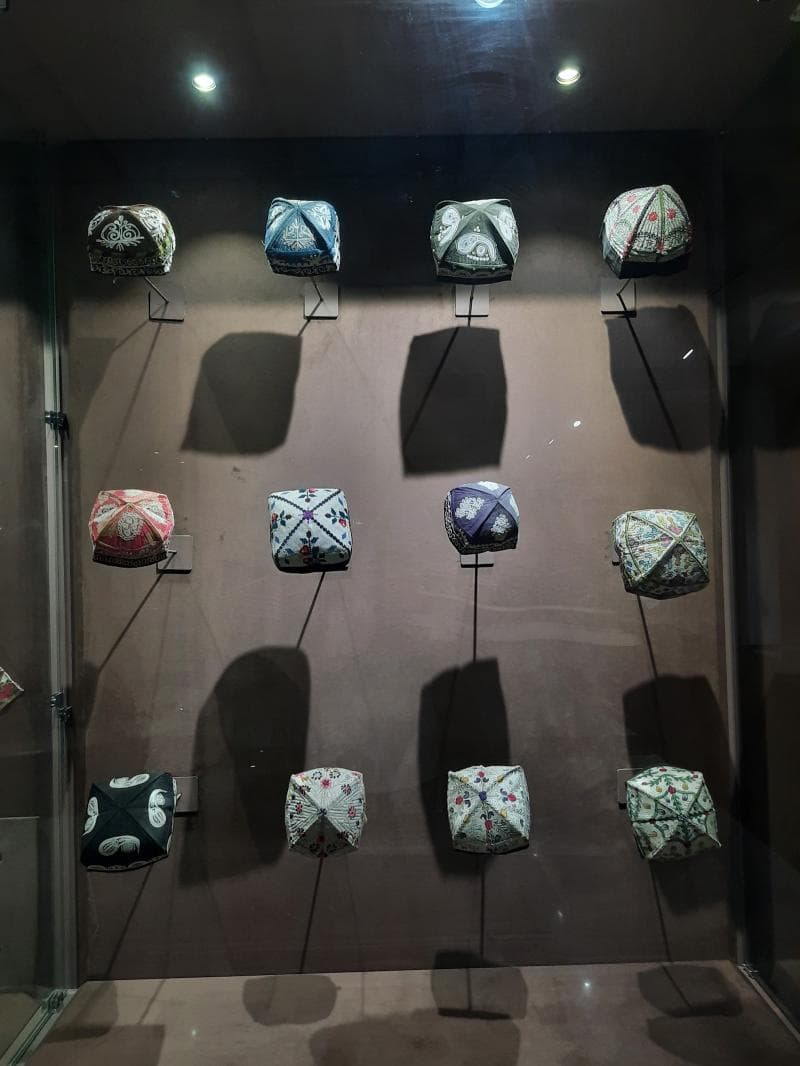
Explore the vibrant history of Uzbek traditional costumes at the State Museum Of The History Of Uzbekistan in Tashkent. Discover cultural significance, intricate designs, and historical evolution of national attire.
Overview
Stepping into the 'Traditional Costumes' sub-spot within the State Museum Of The History Of Uzbekistan in Tashkent is like embarking on a vibrant journey through centuries of Uzbek identity. This dedicated section showcases the rich tapestry of traditional attire worn by the people of Uzbekistan, revealing not just clothing but narratives of history, culture, and artistry. The museum itself, established in 1876, stands as one of Central Asia's oldest and most significant cultural institutions, housing over 250,000 exhibits that span from prehistoric times to the modern era. Its ethnographic collection, comprising approximately 16,000 items, offers a profound insight into the material culture of the Uzbek people, with traditional costumes forming a particularly colorful and engaging segment.
History & Cultural Background
Uzbek traditional costumes are far more than mere garments; they are living relics that embody the nation's profound history and cultural evolution. For generations, clothing was a primary identifier, reflecting a person's social status, regional origin, age, and even marital status. The designs, fabrics, and embroidery techniques evolved over millennia, influenced by various civilizations that traversed or settled along the Silk Road. Archaeological discoveries, ancient frescoes, and historical manuscripts provide glimpses into the attire of ancestors, showing the development of weaving and textile arts in the region over two thousand years ago.
For instance, medieval period frescoes depict wealthy citizens adorned in silk kaftans, while everyday folk wore simpler cotton gowns. The arrival of different empires and cultures, such as the Mongols in the 14th century, introduced new fashions and design elements. The museum's collection illustrates this historical progression, displaying how patterns, cuts, and materials changed while retaining distinct regional characteristics. Even after the Russian conquest of Central Asia introduced Western styles, traditional patterns and silhouettes persevered, particularly for special occasions and in rural areas.
What Makes It Special
The 'Traditional Costumes' exhibition is distinguished by its celebration of the intricate artistry and symbolism woven into every stitch. Male attire typically features the iconic 'chopon' (a quilted robe), often paired with a 'doʻppi' (skullcap), a 'yaktak' (undershirt), loose trousers, and a traditional sash. For women, the collection highlights brightly colored, knee-length dresses with loose 'lozim' pants, covering the entire body with elegance and modesty. Special occasion garments, like 'zarchopons' for men and elaborate satin and silk dresses with 'zardoʻzi' (golden thread embroidery) for women, showcase exceptional craftsmanship.
The fabrics themselves are central to their allure. Textiles like 'khan-atlas' and 'adras' are renowned for their vibrant colors and intricate patterns, often imbued with deep cultural meanings. The museum presents examples of these exquisite fabrics, detailing their creation and significance. The exhibits convey how a specific embroidery pattern or a choice of color could communicate stories, beliefs, or even serve as an amulet, reflecting the practical and magical significance attributed to clothing throughout Uzbek history.
Stories, Fun Facts & Local Details
One fascinating aspect of Uzbek traditional costumes is the regional diversity. While core elements like the 'chopon' and 'doʻppi' are widespread, each region—be it Bukhara, Samarkand, Tashkent, or the Fergana Valley—developed its unique styles, patterns, and color preferences. For example, some Sogdian patterns retained Zoroastrian influences, and the prevalence of certain colors in a woman's dress could indicate her husband's social standing. Blue and purple hues often signified high status, while greenish motifs were common among peasants and artisans. The exhibition provides a glimpse into these localized traditions, showcasing the sheer variety within a unified cultural heritage.
Traditional skullcaps, or 'doʻppis', are particularly interesting, as their styles and embroidery can often pinpoint the exact region or even village of origin. This intricate sartorial language offers a subtle yet profound connection to the past, allowing visitors to appreciate the nuances of Uzbek identity expressed through clothing. Even today, while not worn daily in urban centers, these vibrant costumes remain an indispensable part of festive events, celebrations, and cultural gatherings, continuing to link contemporary Uzbek life with centuries of artistic tradition.
Visitor Perspective
For a curious traveler, the 'Traditional Costumes' section at the State Museum Of The History Of Uzbekistan offers an immersive and educational experience. The collection is not merely a display of old clothes but a window into the soul of a nation. As you walk through the exhibits, you gain a deeper appreciation for the meticulous craftsmanship, the symbolic richness, and the historical continuity embedded in each garment. The museum's ethnographic displays are part of its broader narrative of Uzbekistan's history, spanning from ancient civilizations to the present day. Having reopened in July 2026 after renovations and designated a UNESCO World Heritage Site, the museum provides a well-preserved and thoughtfully curated environment to explore these cultural treasures.
While the museum's signage might primarily be in Uzbek and Russian, an audio guide or a booked English-speaking guide can greatly enhance the understanding of these intricate exhibits. Seeing these historical garments up close helps one visualize the lives of the people who wore them, connecting personal stories to the grand sweep of history. It's an opportunity to witness how clothing functions as a powerful cultural artifact, communicating heritage and identity across generations.
Coordinates: 69.2693612, 41.3116984
View on Google Maps💬 How Travelers Describe This Place
Based on community votes
Photogenic
950Beautiful
929Interesting
858Must See
730Unique
275
Traveler Stories
Discover memorable experiences shared by travelers who have visited this place.
No traveler stories yet.
Be the first traveler to share what made this place memorable.

Tour
By
Spot
Discover amazing places around the world. Your journey starts here.
Explore
© 2026 TourBySpot. All rights reserved.