Interactive Displays
Tashkent, Uzbekistan
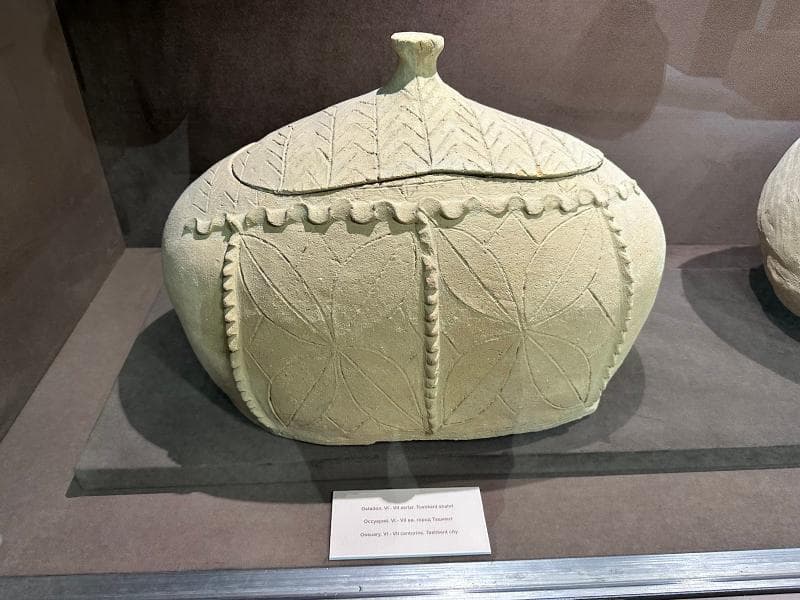
Explore the interactive displays at the State Museum Of The History Of Uzbekistan in Tashkent, Uzbekistan, for an immersive journey through the nation's rich past.
Overview
Stepping into the State Museum Of The History Of Uzbekistan in Tashkent is like embarking on a captivating journey through millennia of human endeavor and cultural evolution. As one of Central Asia's oldest and most significant museums, it serves as a proud custodian of Uzbekistan's rich historical tapestry, from the deepest reaches of prehistory to the vibrant present. Recently revitalized, the museum now offers a fresh and immersive experience, particularly through its cutting-edge interactive displays. These modern installations seamlessly blend with ancient artifacts, offering visitors a dynamic and deeply engaging exploration of the nation's heritage, inviting curious travelers to not just observe, but truly interact with history.
History & Cultural Background
Established in 1876, the State Museum Of The History Of Uzbekistan, originally known as the National Museum of Turkestan, holds a distinguished place in the region's cultural landscape. Over its long history, it has evolved, even being known as the Lenin Museum for a period, before reclaiming its identity as a comprehensive chronicle of Uzbek history. The museum houses an impressive collection exceeding 250,000 exhibits, meticulously categorized across archaeology, numismatics, and ethnography, reflecting the diverse epochs that have shaped this crossroads of civilizations. Its four floors chronologically guide visitors through the ancient and medieval periods, including the rise and fall of the Timurid Empire, the era of the three khanates, and the nation's more recent past. A significant milestone occurred in July 2026 when the museum reopened its doors after extensive renovations, which notably integrated contemporary exhibition and digital technologies to enhance the visitor experience.
What Makes It Special
What truly sets the State Museum Of The History Of Uzbekistan apart, especially following its 2026 modernization, is its innovative approach to historical storytelling through interactive displays. This recent overhaul, implemented by specialists in visitor experience concepts, transformed the museum into a modern cultural hub where history comes alive. The 'Interactive Displays' are not confined to a single section but are thoughtfully integrated throughout the exhibition halls, featuring digital storytelling systems, multimedia applications, and interactive zones. This allows for a deeper, more personal connection with the past, moving beyond static observation to dynamic engagement. The museum's aim was to create a contemporary environment where visitors could actively 'interact with exhibits from different historical periods', offering fresh perspectives on ancient civilizations and the figures who shaped them. Adding to its prestige, in July 2026, the museum, alongside other modernist sites in Tashkent, was designated a UNESCO World Heritage Site, acknowledging its architectural significance and role in preserving cultural heritage.
Stories, Fun Facts & Local Details
Imagine tracing the journey of ancient coins, some dating back to the 5th century BC, and then using a digital interface to explore their origins and the empires that minted them. The interactive displays bring to life stories behind key artifacts, such as the well-preserved alabaster Buddha relief discovered at Fayaz Tepe or the intricate 10th-century carved wooden columns. Visitors can delve into the ethnographical collections, learning about traditional Uzbek costumes and crafts through multimedia presentations that provide cultural context and historical significance. The museum's 'Interactive Displays' also offer a unique opportunity to understand the intellectual flourishing of the medieval epoch, showcasing advancements in science, poetry, and trade with engaging applications. A fun fact for visitors is that the museum's transformation was not just about adding screens; it was a holistic redesign of visitor routes and educational areas, ensuring that the historical narrative is both accessible and inspiring for all ages.
Visitor Perspective
For the curious traveler, the interactive displays at the State Museum Of The History Of Uzbekistan offer an unparalleled opportunity to engage with history on a personal level. Instead of merely viewing artifacts behind glass, you can tap, swipe, and explore, uncovering layers of information, vivid reconstructions, and expert commentary. This hands-on approach makes complex historical periods, like the ancient Silk Road exchanges or the intricate dynamics of medieval khanates, much more understandable and memorable. The digital storytelling systems provide narratives that connect individual artifacts to larger historical trends, fostering a deeper appreciation for Uzbekistan's enduring legacy. Whether you're a history enthusiast or a casual visitor, these interactive elements transform a museum visit into an immersive educational adventure, ensuring that the rich heritage of Uzbekistan resonates long after you've left its halls. The museum truly acts as a vital cultural and educational center, made even more impactful by its commitment to modern engagement.
Coordinates: 69.2693612, 41.3116984
View on Google Maps💬 How Travelers Describe This Place
Based on community votes
Must See
995Unique
929Photogenic
858Beautiful
730Interesting
275
Traveler Stories
Discover memorable experiences shared by travelers who have visited this place.
No traveler stories yet.
Be the first traveler to share what made this place memorable.

Tour
By
Spot
Discover amazing places around the world. Your journey starts here.
Explore
© 2026 TourBySpot. All rights reserved.