Archaeology Hall
Tashkent, Uzbekistan
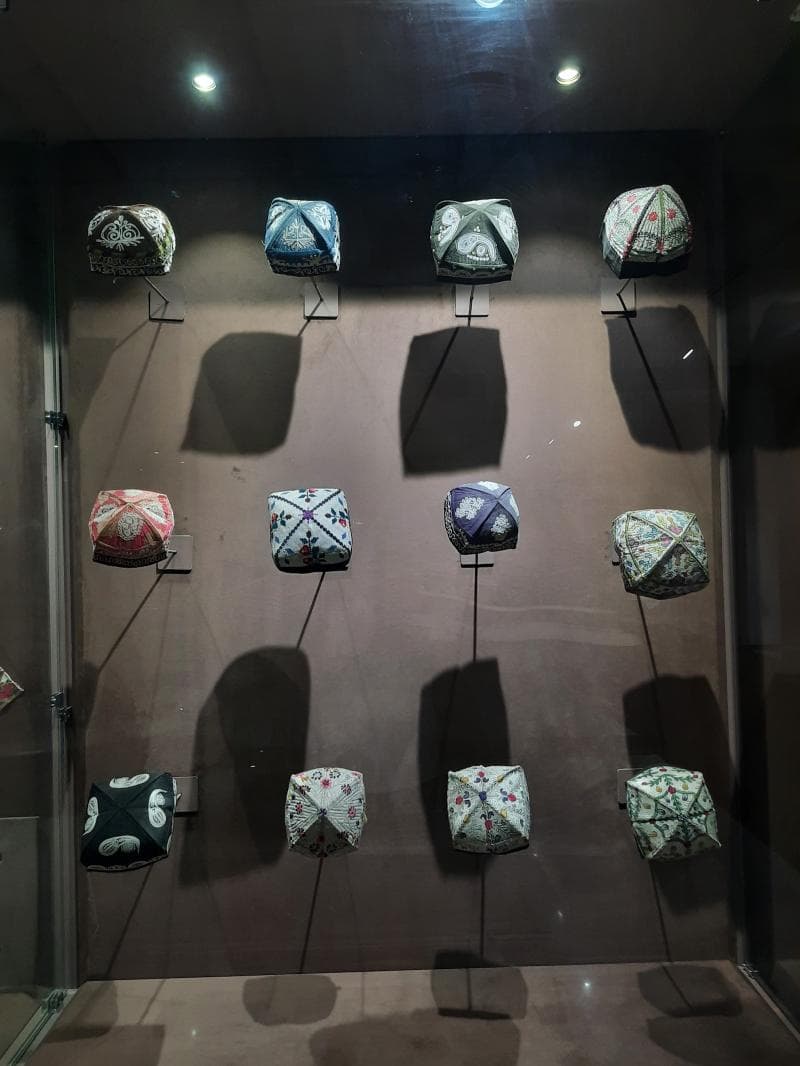
Explore the Archaeology Hall at the State Museum Of The History Of Uzbekistan in Tashkent. Discover ancient artifacts, early human remains, and Buddhist treasures. Delve into Uzbekistan's rich past.
Overview
Within the grandeur of the State Museum Of The History Of Uzbekistan in Tashkent lies a captivating journey through time: the Archaeology Hall. This dedicated section serves as a profound testament to Central Asia's ancient past, housing an extraordinary collection that spans from the Stone Age to the early medieval periods. As one of the oldest and largest museums in Central Asia, established in 1876, the institution boasts a massive fund of over 250,000 exhibits, with more than 60,000 items specifically categorized as archaeological finds. The Archaeology Hall, primarily located on the second floor of the museum, offers a comprehensive narrative of human civilization and cultural development on Uzbek lands, presenting artifacts that are not only historically significant but also deeply evocative.
Visitors are invited to explore the foundational layers of Uzbekistan's rich heritage, uncovering the lives of its earliest inhabitants and the sophisticated cultures that thrived here millennia ago. While the museum periodically undergoes renovations, the archaeological exhibits consistently remain a core and compelling part of its educational mission, illustrating the continuous thread of history that weaves through this ancient land.
History & Cultural Background
The State Museum Of The History Of Uzbekistan itself carries a significant historical legacy, having been founded in 1876 as the National Museum of Turkestan. Over its long existence, it has undergone several transformations, including being known as the Lenin Museum, before emerging as the premier institution for preserving the history of Uzbekistan. The current building, a notable example of Soviet-era architecture with distinctive Uzbek design elements, was constructed in 1970. The archaeological collection began with items gathered by private individuals and institutions in the late 19th century, laying the groundwork for what would become an unparalleled repository of regional antiquity.
Uzbekistan's strategic position at the crossroads of ancient civilizations, notably along the Silk Road, meant it was a melting pot of cultures, religions, and innovations. The archaeological findings within the museum reflect this intricate tapestry, offering insights into the interactions between various peoples and empires that shaped the region. From the earliest human settlements to the rise of complex urban centers, these artifacts provide tangible links to the distant past, explaining how present-day Uzbekistan came to be. The museum's continuous efforts in scientific research and exhibition development underscore its role not just as a custodian of history but as an active participant in understanding and disseminating it.
What Makes It Special
The Archaeology Hall stands out for its extraordinary breadth and the exceptional rarity of its exhibits. It transports visitors back to the dawn of humanity in Central Asia, featuring some of the oldest artifacts found in the region. Among its most celebrated treasures are the remains of a primitive man discovered in the Sel-Ungur cave, dating back an astonishing 1.5 million years B.C., providing a direct connection to the earliest human presence in the area. Another captivating exhibit is the alabaster Buddha relief, often referred to as the 'Triad' for depicting Buddha with two monks, unearthed from the ancient Buddhist temple complex of Fayaz-Tepa in Termez. Dating from the 1st to 4th centuries BC, this piece highlights the early spread of Buddhism in the region and its artistic expressions.
Beyond these iconic items, the hall proudly displays a bronze Sak-kettle from the 4th-5th century BC, ancient tools, exquisite mirrors, and jewelry that speak to the artistic and technological prowess of bygone eras. Fragments of 7th-8th century mural paintings from the Afrosiab settlement in Samarkand offer glimpses into the vibrant wall art of ancient cities, while stone age implements illustrate the rudimentary yet crucial innovations of early human societies. The sheer volume and diversity of archaeological objects, including items from sites like Dalverzin-tepa, Khalchayan, and Koktepa, make this collection indispensable for understanding the deep historical layers of Uzbekistan.
Stories, Fun Facts & Local Details
Every artifact in the Archaeology Hall tells a silent story, often hinting at mysteries yet to be fully uncovered. Consider the intriguing stone sculpture of two intertwined snakes, dating from the 2nd millennium B.C., found in the Fergana Valley. This amulet, with parallels found in the Middle East, poses questions about ancient trade routes and cultural exchanges, as its exact journey to Uzbekistan remains a subject of academic inquiry. The presence of such diverse artifacts, including ossuaries from Beshkapa and Sevaz, illustrates the varied burial customs and spiritual beliefs of ancient communities inhabiting this land.
The museum's collection also includes coins dating as far back as the 5th century BC, showcasing the advanced economic systems and political entities that once flourished. These numismatic treasures feature coinage from various powerful states, including the Akhaemenids, Alexander the Great, and the Kushan kings, offering tangible evidence of their dominion and influence across Central Asia. These details paint a vivid picture of a region that was not isolated but was a dynamic hub of interaction, innovation, and belief, continually shaping and being shaped by its neighbors and distant empires alike.
Visitor Perspective
Stepping into the Archaeology Hall is akin to embarking on a profound journey through time itself. The carefully curated exhibits, ranging from the most rudimentary Stone Age tools to the intricate artistry of Buddhist statues, provide a tangible connection to generations long past. It is an experience that fosters a deep appreciation for the ingenuity and resilience of ancient civilizations that laid the groundwork for modern Uzbekistan. Imagine holding a mirror that once reflected the face of an ancient artisan, or gazing upon pottery used in daily life millennia ago. Each display offers a moment of reflection on the passage of time and the enduring human spirit.
Although the museum is sometimes closed for renovations, its significance as a historical anchor remains. When open, the Archaeology Hall serves as a vital educational resource, allowing curious travelers to visualize the landscapes and cultures that flourished in this fertile region. It provides a unique opportunity to grasp the sheer antiquity and continuous cultural development of Uzbekistan, offering a perspective that deepens any understanding of Central Asian history. The hall encourages visitors to connect with the echoes of ancient life, making the distant past feel remarkably present and relevant.
Coordinates: 69.269362, 41.311403
View on Google Maps💬 How Travelers Describe This Place
Based on community votes
Must See
826Photogenic
494Beautiful
242Interesting
125Unique
82
Traveler Stories
Discover memorable experiences shared by travelers who have visited this place.
No traveler stories yet.
Be the first traveler to share what made this place memorable.

Tour
By
Spot
Discover amazing places around the world. Your journey starts here.
Explore
© 2026 TourBySpot. All rights reserved.