Silk Road Exhibits
Tashkent, Uzbekistan
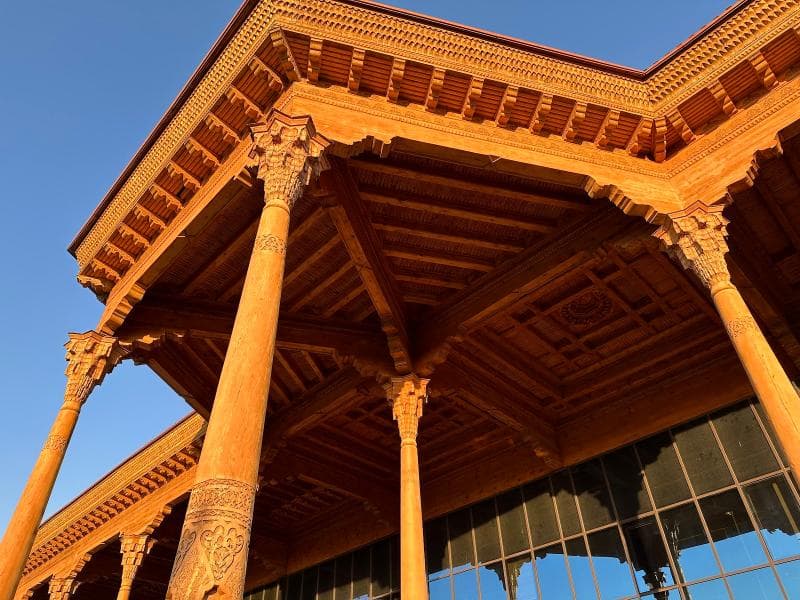
Explore the Silk Road exhibits at the State Museum Of The History Of Uzbekistan in Tashkent, Uzbekistan, showcasing ancient trade and cultural exchange.
Overview
Step into the grandeur of Central Asian history at the State Museum Of The History Of Uzbekistan in Tashkent. As one of the oldest and largest museums in the region, established in 1876, it serves as a profound testament to Uzbekistan's rich past. The museum meticulously chronicles the nation's journey from prehistoric times to the modern era, with a significant emphasis on its pivotal role as a vital crossroads of the Great Silk Road. Housing an impressive collection of over 250,000 to 350,000 exhibits, the museum's displays encompass archaeological treasures, numismatic finds, ethnographical items, and various artifacts that vividly illustrate the profound cultural exchanges fostered by this ancient trade network.
History & Cultural Background
Uzbekistan’s geographical position placed it directly at the heart of the ancient Silk Road, an intricate network of trade routes that interconnected East and West for centuries. This historic pathway facilitated not only the movement of precious goods like silk, spices, and metals but also a dynamic intermingling of diverse cultures, religions, and technological advancements. The State Museum, initially known as the National Museum of Turkestan, meticulously traces this extensive heritage. Its comprehensive collection reflects the myriad civilizations that flourished in the region, from early human settlements to the powerful empires that rose and thrived along these crucial trade arteries. These interactions profoundly influenced the artistic, architectural, and intellectual landscape of Central Asia, shaping its unique identity.
What Makes It Special
The museum’s dedication to its Silk Road legacy is what truly sets it apart. While not confined to a single, separately labeled 'Silk Road Exhibits' section, the theme is intricately woven throughout the museum's extensive collections. Visitors are afforded a tangible connection to this ancient 'superhighway' of culture through a diverse array of artifacts. These include ancient ceramics, intricate fragments of wall murals, and remarkable Buddhist sculptures, such as a well-preserved alabaster Buddha relief originating from Fayaz Tepe in Termez. The exhibits also feature various household items, tools, and decorative arts, all of which either traversed these historic routes or were created under the influence of new ideas and materials brought by Silk Road trade. The displays effectively highlight the diverse architectural styles, religious practices—including the spread of Buddhism into the region—and the daily life that was profoundly shaped by the Silk Road's far-reaching influence. The museum also incorporates modern interactive and multimedia technologies to enhance the visitor's understanding and engagement with these historical narratives.
Stories, Fun Facts & Local Details
The Silk Road was far more than a mere commercial artery; it was a vibrant conduit for stories, philosophies, and artistic traditions. Imagine the bustling caravans, laden with shimmering silk from distant China, winding their way through the lively cities of Uzbekistan. These travelers exchanged not just goods but also profound ideas, spiritual beliefs, and sophisticated artistic techniques. The museum's thoughtfully curated displays allow visitors to envision this dynamic past. A fascinating example is the presence of Gandharan Buddhist art within Uzbekistan, exemplified by the exquisite Buddha relief. This artifact serves as a direct and powerful testament to the extensive cultural diffusion facilitated by the Silk Road, demonstrating how religious and artistic influences traveled vast distances from their origins. Uzbekistan’s strategic geographic position meant that its artisans and scholars were constantly absorbing and adapting diverse influences, contributing to the creation of a uniquely Central Asian aesthetic that is beautifully showcased throughout the museum.
Visitor Perspective
A visit to the State Museum Of The History Of Uzbekistan offers a truly immersive experience, providing a deep dive into the region's pivotal role on the Great Silk Road. While you might not find a single, explicitly named 'Silk Road Exhibits' gallery, the overarching theme of the Silk Road is expertly interwoven throughout the museum's four floors, particularly within the sections dedicated to ancient and medieval history. Visitors can anticipate a captivating journey through time, encountering a rich tapestry of archaeological and ethnographic displays that collectively narrate the profound story of trade, cultural exchange, and the numerous civilizations that thrived due to these ancient connections. The museum, having undergone recent renovations and reopened in July 2026, presents its collections using modern interactive and multimedia technologies. It provides an excellent general overview of Central Asian history and is highly recommended for any traveler seeking to understand Uzbekistan's incredibly rich and complex heritage.
Coordinates: 69.269362, 41.311403
View on Google Maps💬 How Travelers Describe This Place
Based on community votes
Interesting
886Photogenic
564Beautiful
443Must See
310Unique
233
Traveler Stories
Discover memorable experiences shared by travelers who have visited this place.
No traveler stories yet.
Be the first traveler to share what made this place memorable.

Tour
By
Spot
Discover amazing places around the world. Your journey starts here.
Explore
© 2026 TourBySpot. All rights reserved.