Rizal Park
Manila, Philippines
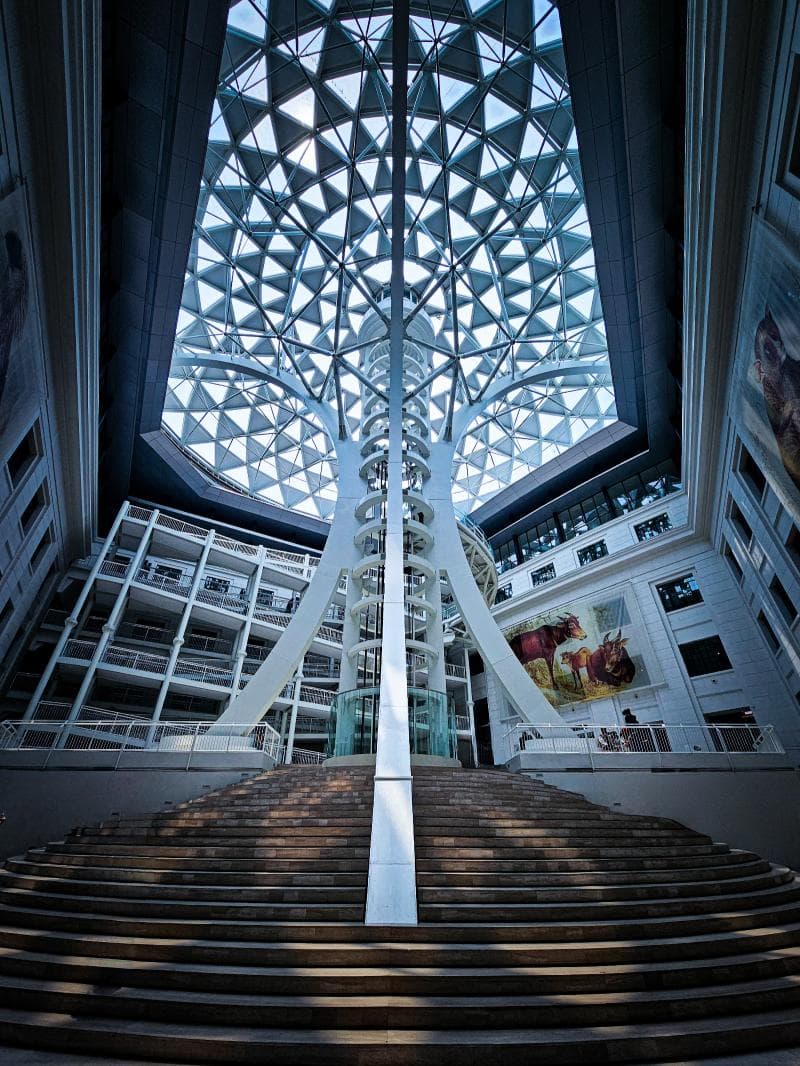
Explore Rizal Park in Manila, Philippines – a historic urban park dedicated to national hero Dr. Jose Rizal. Discover its rich history, cultural landmarks, and serene green spaces.
Overview
Rizal Park, affectionately known by locals as Luneta or Luneta Park, is a sprawling urban oasis nestled in the heart of Ermita, Manila, Philippines. Covering approximately 58 hectares, it stands as one of the largest urban parks in Asia, offering a significant expanse of greenery amidst the bustling city. More than just a park, Rizal Park is a profound historical and cultural landmark that beautifully intertwines the nation's past with its vibrant present, serving as a cherished leisure spot for both Filipinos and international visitors. Its central location, adjacent to the historic walled city of Intramuros and along Roxas Boulevard, makes it a pivotal point for exploration and understanding the Filipino spirit.
History & Cultural Background
The origins of Rizal Park date back to 1820 when it was first established as the 'Paseo de Luneta' on a marshy tract of land south of Manila's city walls. Prior to this, the area was known as Bagumbayan, or 'New Town,' since 1601. The name 'Luneta' is derived from the Spanish word for 'lunette,' referring to its crescent-shaped fortifications. Throughout the Spanish colonial period, particularly from 1823 to 1897, the site gained a somber reputation as a place for public executions of political adversaries. The most transformative and poignant event occurred on December 30, 1896, when Dr. Jose Rizal, the national hero of the Philippines, was executed here by firing squad. This act ignited the flames of the 1896 Philippine Revolution against Spain, solidifying the park's place in the nation's struggle for independence. In his honor, the area was later named Rizal Park, with his monument serving as its symbolic heart.
During the American colonial period, the iconic Rizal Monument, enshrining Dr. Jose Rizal's remains, was constructed, inaugurated on December 30, 1913, on the 17th anniversary of his death. The park also played a significant role in modern Philippine history, hosting the inauguration of the Third Philippine Republic and the formal recognition of Philippine independence from the United States on July 4, 1946. In 1955, the area around the Rizal Monument was declared a national park, and in 1967, it was officially renamed Rizal Park by President Ferdinand Marcos. It has also been the backdrop for major political gatherings, including those leading up to the People Power Revolution of 1986.
What Makes It Special
At the core of Rizal Park's allure is the Rizal Monument, a solemn obelisk featuring a bronze statue of the national hero. This monument is not merely a memorial; it also houses Dr. Jose Rizal's remains, making it a sacred pilgrimage site where dignitaries often lay wreaths. Beyond its historical significance, the park is a cherished green sanctuary, providing a much-needed escape from Manila's urban intensity. Its expansive lawns, ornamental gardens, and serene ponds offer peaceful spaces for relaxation and contemplation.
Rizal Park is a vibrant cultural hub, regularly hosting ceremonies, concerts, and various cultural performances that showcase Filipino arts and traditions. The park features several themed gardens, including tranquil Chinese and Japanese Gardens, and a beautifully restored Flower Clock. Its proximity to Manila Bay offers picturesque views, particularly at sunset, and it serves as a gateway to other significant attractions like the National Museum Complex and the Manila Ocean Park, enriching any visitor's itinerary.
Stories, Fun Facts & Local Details
In its early days, known as 'Paseo de la Luneta,' the park was a fashionable center for social activity, with Manileños enjoying evening strolls and carriage rides along 'La Calzada.' The park's musical dancing fountain, initially built in the 1960s, was notably restored in 2011 by its original German-Filipino creator. One of the most significant annual events is Rizal Day on December 30th, which commemorates Dr. Jose Rizal's life and martyrdom with patriotic parades, speeches, and cultural showcases. The National Parks Development Committee (NPDC), which manages Rizal Park, continuously works to develop and preserve it, even introducing modern experiences like web-based Augmented Reality (AR) tours to engage younger generations with its history.
Locals often refer to it simply as 'Luneta,' a testament to its enduring familiarity and cherished status among Filipinos. The park is a living symbol of Filipino resilience and identity, embodying the nation's journey towards independence and its rich cultural heritage. From practicing traditional martial arts like arnis in the mornings to families enjoying picnics on the expansive lawns, Rizal Park pulsates with everyday life alongside its historical weight.
Visitor Perspective
Visiting Rizal Park offers a unique opportunity to immerse oneself in Philippine history and culture while enjoying a peaceful urban escape. Travelers can spend hours exploring the various gardens, monuments, and open spaces, or simply relax and observe daily life unfold. For the most pleasant experience, it is advisable to visit during the cooler months from November to February. Weekdays and early mornings or late afternoons are ideal for avoiding crowds and enjoying milder temperatures, perfect for photography. The park is family-friendly, featuring wide pathways, ample seating, and accessible facilities, including ramps for mobility aids and public restrooms throughout the grounds. While generally safe, with CCTV surveillance and security personnel, visitors are encouraged to remain aware of their belongings. Comfortable walking shoes, a hat, and sunscreen are recommended to fully enjoy a leisurely exploration of this iconic landmark. Rizal Park provides a serene and tranquil atmosphere, often complemented by musical performances or the quiet reflection offered by the Rizal Monument, making it a truly memorable destination.
Coordinates: 120.978333, 14.5825
View on Google Maps💬 How Travelers Describe This Place
Based on community votes
Must See
921Unique
831Photogenic
433Beautiful
232Interesting
211
Traveler Stories
Discover memorable experiences shared by travelers who have visited this place.
No traveler stories yet.
Be the first traveler to share what made this place memorable.
Things to see at Rizal Park



Tour
By
Spot
Discover amazing places around the world. Your journey starts here.
Explore
© 2026 TourBySpot. All rights reserved.