National Museum Complex
Manila, Philippines
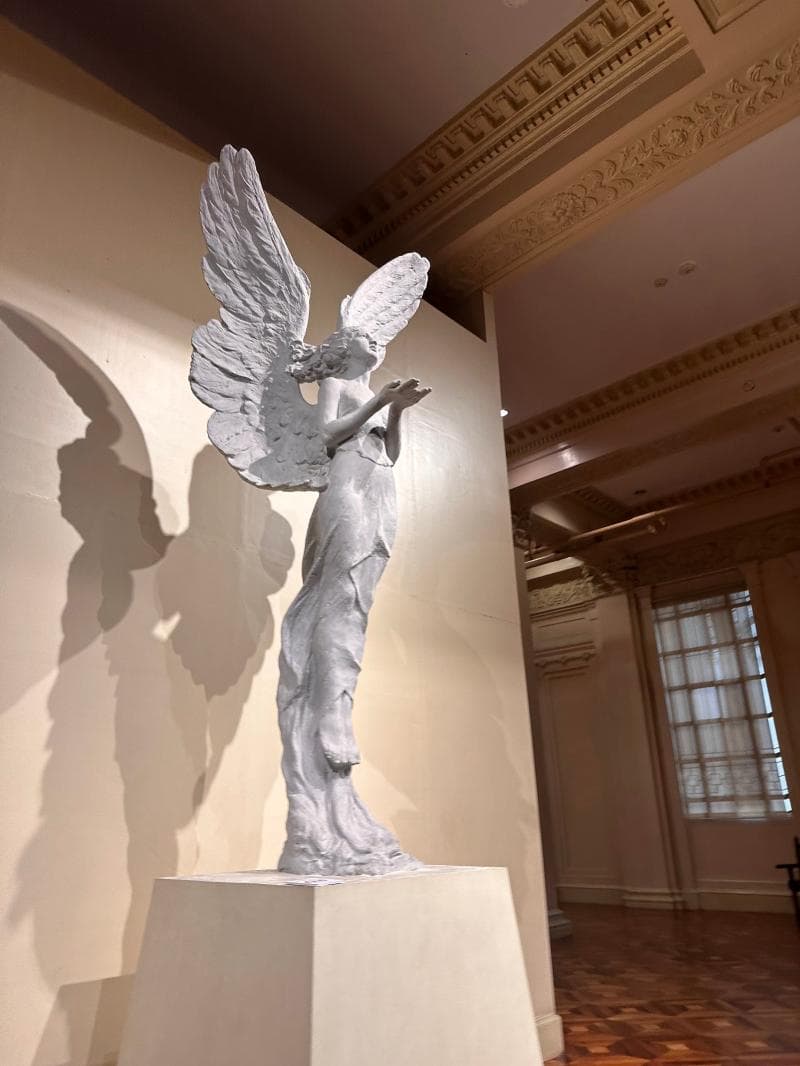
Explore the National Museum Complex in Manila, Philippines, home to Fine Arts, Anthropology, and Natural History, showcasing Filipino heritage and biodiversity.
Overview
Nestled within the historic embrace of Rizal Park in Manila, Philippines, the National Museum Complex stands as a formidable guardian of Filipino heritage and natural wonders. This grand ensemble of neoclassical buildings is not merely a collection of museums but a journey through the archipelago's soul, showcasing its rich artistic legacy, profound anthropological insights, and breathtaking biodiversity. The complex brings together the National Museum of Fine Arts, the National Museum of Anthropology, and the National Museum of Natural History, offering an immersive cultural and educational experience for every traveler. [3, 22]
Visitors can easily explore these interconnected institutions, each housed in architecturally significant structures that once served as crucial government buildings. The complex provides a comprehensive look at the Philippines, from the masterpieces of its national artists to the ancient artifacts that tell stories of its earliest inhabitants, and the vibrant ecosystems that define its natural landscape. [3, 4, 8, 20, 22]
History & Cultural Background
The roots of the National Museum of the Philippines stretch back to the late 19th century, formally established as the Museo-Biblioteca de Filipinas in 1887 during the Spanish colonial period. [6, 9, 10, 14, 21] Its direct precursor, the Insular Museum of Ethnology, Natural History and Commerce, was later created in 1901 during the American occupation. [9, 10, 21] The formation of the National Museum Complex as we know it today, however, took shape with Republic Act No. 8492 in 1998, which designated the Executive House Building (Old Congress Building), the Department of Finance Building, and the Department of Tourism Building along the Agrifina Circle in Rizal Park as the permanent site for the national museums. [3, 10]
These buildings themselves carry layers of history. The National Museum of Fine Arts, for instance, occupies the former Legislative Building, originally constructed between 1918 and 1926. [4, 7] Similarly, the National Museum of Anthropology was once the Department of Finance Building, and the National Museum of Natural History was the Department of Agriculture and Commerce Building, later housing the Department of Tourism. [8, 19, 20, 22] Their transformation into cultural repositories underscores a profound commitment to preserving and celebrating the Filipino identity, turning spaces of governance into arenas of historical and artistic discovery. [10]
What Makes It Special
What sets the National Museum Complex apart is its remarkable breadth and depth of collections, all conveniently located within a short walk of each other. It offers a singular opportunity to traverse the entire spectrum of Filipino heritage—from pre-colonial archaeological finds to contemporary art and the wonders of the natural world—in one cohesive experience. [22]
- The National Museum of Fine Arts captivates with its collection of 19th-century Filipino masters and national artists. Its centerpiece is undoubtedly Juan Luna's monumental 'Spoliarium', a colossal painting depicting fallen gladiators, which has become a symbol of Filipino struggle and triumph. [5, 7, 13, 22]
- The National Museum of Anthropology delves into the rich cultural tapestry of the Philippines, featuring ethnographic and archaeological exhibitions. A standout exhibit is the Manunggul Jar, a secondary burial jar from the Neolithic period, showcasing ancient Filipino burial practices and craftsmanship. [20, 22]
- The National Museum of Natural History is an architectural marvel in itself, famed for its towering 'Tree of Life' structure in its central atrium. [8, 15, 16, 19] It houses diverse botanical, zoological, and geological specimens, celebrating the country's unparalleled biodiversity. Among its most compelling displays is the skeleton of 'Lolong', once the largest crocodile in captivity. [8, 16, 19]
The integration of these distinct yet complementary museums allows visitors to grasp the multifaceted narrative of the Philippines as a nation, culture, and natural haven. [22]
Stories, Fun Facts & Local Details
Imagine walking through halls where decisions of state were once made, now filled with artistic masterpieces or scientific wonders. The building now housing the National Museum of Fine Arts, for instance, was heavily damaged during the Battle of Manila in 1945 but was painstakingly rebuilt, maintaining its neoclassical grandeur. [4, 22] Its transformation from a legislative body to a temple of art in 1998 symbolizes a shift in national priorities, emphasizing cultural enrichment. [10]
The 'Spoliarium' in the Museum of Fine Arts is not just a painting; it is a profound historical statement. Juan Luna's depiction of the Roman arena's dead gladiators resonates deeply with the struggles of the Filipino people under colonial rule, winning a gold medal at the Exposición Nacional de Bellas Artes in Madrid in 1884. [5, 7] In the Museum of Natural History, the 'Tree of Life' atrium is often likened to the coconut tree, a ubiquitous symbol in the Philippines, representing resilience and sustenance. [15] These buildings, once seats of power, now silently narrate the grandeur, resilience, and unique spirit of the Filipino people.
Visitor Perspective
Visiting the National Museum Complex is an enriching experience that is both accessible and deeply rewarding. Admission to all museums within the complex is free for both Filipinos and foreign visitors, making it an inclusive cultural destination. [18, 24, 30] The museums generally operate daily from 9:00 AM to 6:00 PM, though it is always wise to check their official website for any updates on hours or temporary closures. [18, 30]
To make the most of your visit, consider dedicating a full day, or even separate days, to each museum, as their vast collections can be overwhelming if rushed. Comfortable shoes are a must, as there is a significant amount of walking involved. [30] While photography is generally allowed, flash photography is prohibited to protect the artifacts and artworks. [7, 18, 24] Large bags, food, and beverages are typically not permitted inside the galleries and must be deposited at designated baggage counters, ensuring a safe and serene environment for all to enjoy the nation's treasures. [7, 18, 24, 30]
Coordinates: 120.981, 14.585
View on Google Maps💬 How Travelers Describe This Place
Based on community votes
Photogenic
934Unique
879Interesting
741Must See
482Beautiful
396
Traveler Stories
Discover memorable experiences shared by travelers who have visited this place.
No traveler stories yet.
Be the first traveler to share what made this place memorable.

Tour
By
Spot
Discover amazing places around the world. Your journey starts here.
Explore
© 2026 TourBySpot. All rights reserved.