Relief Map Of The Philippines
Manila, Philippines
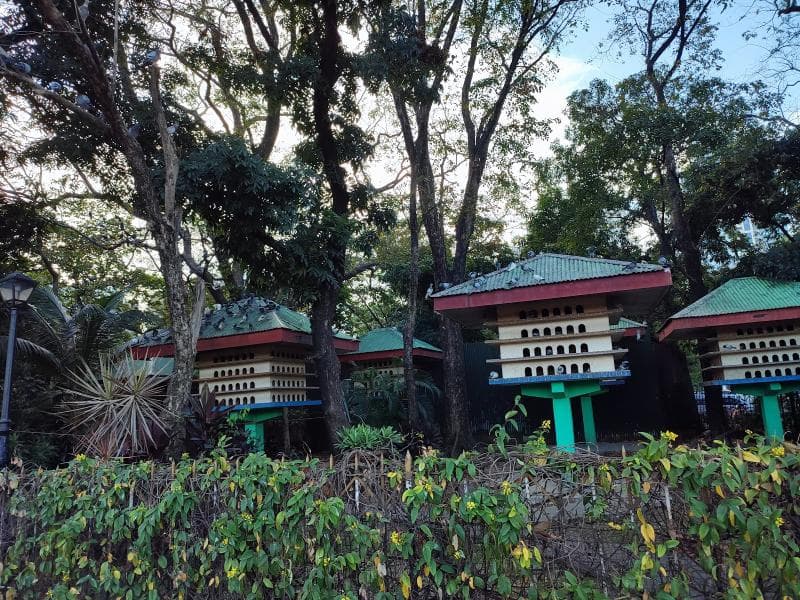
Discover the historical significance of the Relief Map of the Philippines, once a key attraction in Rizal Park, Manila, Philippines, and its recent removal.
Overview
The Relief Map Of The Philippines, once a prominent and beloved landmark within Rizal Park in Manila, Philippines, was a magnificent large-scale, three-dimensional topographical representation of the entire Philippine archipelago. More than just a geographical display, it served as a powerful educational tool and a symbolic representation of the nation's diverse landscape. Set amidst a tranquil man-made lagoon, the map allowed visitors to literally walk around and observe the intricate details of the country's thousands of islands, mountain ranges, and bodies of water.
However, it is crucial to note that this iconic sub-spot is no longer physically present. In July 2023, as part of redevelopment efforts by the National Museum of the Philippines, the Relief Map was removed. While its physical presence has faded, its memory and historical significance as a cultural artifact in Rizal Park endure, leaving an 'urban memory' for many Filipinos who grew up with it.
History & Cultural Background
The Relief Map Of The Philippines was brought to life by sculptor Jose M. Mendoza, an artist mentored by the esteemed National Artist Napoleon Abueva. Completed during the first term of then-President Ferdinand E. Marcos, specifically between 1965 and 1967, its creation took approximately nine months. The map was a significant project, commissioned with the intention of providing an accessible and engaging way for Filipinos and visitors alike to grasp the vastness and complexity of the country's geography.
Rizal Park itself, often called Luneta Park, holds immense historical weight for the Philippines. It is the site where national hero Dr. Jose Rizal was executed in 1896, a pivotal event that fueled the Philippine Revolution. The park, therefore, is steeped in nationalism and serves as a powerful symbol of Filipino identity and resilience. The Relief Map, by visually defining the nation, seamlessly integrated into this patriotic landscape, emphasizing the unity and physical boundaries of the land for which many heroes fought. Its removal in 2023 sparked considerable dismay and concern among historians and heritage advocates, as it was considered an 'Important Cultural Property' protected under Republic Act 10066. The National Museum's decision to remove it, citing a plan to revive the 1905 Burnham plan of Manila and to develop a National Museum Complex, was met with public discourse about the preservation of cultural heritage.
What Makes It Special
What made the Relief Map Of The Philippines truly special was its ability to transform abstract geographical knowledge into a tangible, immersive experience. It was not merely a flat drawing, but a dynamic, scaled-down replica of the entire archipelago, complete with topographical variations that illustrated mountains, valleys, and coastal areas.
This massive outdoor exhibit included geographical features such as the Scarborough Shoal, Kalayaan, and the eastern part of Sabah, reflecting the nation's territorial claims and identity. For generations of Filipinos, it offered a unique perspective, allowing them to trace their origins, identify their home provinces, and understand the connections between different islands. It provided a sense of national scope and unity that few other attractions could, fostering a deeper connection to the country's physical landscape and its diverse regions. Its three-dimensional nature made it an unparalleled educational tool, bringing geography lessons to life in a way textbooks could not.
Stories, Fun Facts & Local Details
For decades, the Relief Map was a cherished part of the Filipino experience, particularly for schoolchildren on field trips and families enjoying Sunday outings in Rizal Park. It was common to see children excitedly pointing out their hometowns or tracing imaginary journeys across the islands.
Many Filipinos have fond memories of picnics by the lagoon surrounding the map, where they could enjoy the scenery while learning about their country's geography. It was often described as taking a 'mini road trip' across the Philippines without leaving Manila. The sculptor, Jose M. Mendoza, came from a background where his father was a toy maker, and he grew up carving wooden toys, perhaps influencing his skill in creating this large-scale, detailed representation. The map was a source of national pride, offering a holistic view of the Philippines that predated digital mapping technologies, making it an early form of interactive, large-scale geographical education. Its removal, therefore, evoked a strong sense of loss and nostalgia for many, highlighting its deep-rooted place in the collective memory of the nation.
Visitor Perspective
Before its removal, visiting the Relief Map Of The Philippines was an experience filled with discovery and a touch of childlike wonder. Travelers would approach the large, detailed model, often circling it to take in the sheer scale and intricate artistry. It was a tangible connection to the vastness of the Philippine archipelago, making the nation feel smaller and more comprehensible.
Despite some past criticisms regarding its maintenance or the placement of walkways that sometimes hindered a full bird's-eye view, the map remained a favorite spot. It offered a chance for quiet contemplation about the country's geography or lively discussions about provincial origins and travel plans. While future visitors to Rizal Park will no longer encounter the physical structure of the Relief Map, its historical significance as a unique educational landmark and a beloved cultural touchstone endures in the stories and memories of those who experienced it. Its legacy serves as a poignant reminder of a time when the nation's geography was brought to life in a grand, accessible format within Manila's most historic park.
Coordinates: 120.9787, 14.5826
View on Google Maps💬 How Travelers Describe This Place
Based on community votes
Beautiful
963Unique
723Photogenic
482Must See
463Interesting
274
Traveler Stories
Discover memorable experiences shared by travelers who have visited this place.
No traveler stories yet.
Be the first traveler to share what made this place memorable.

Tour
By
Spot
Discover amazing places around the world. Your journey starts here.
Explore
© 2026 TourBySpot. All rights reserved.