Quirino Grandstand
Manila, Philippines
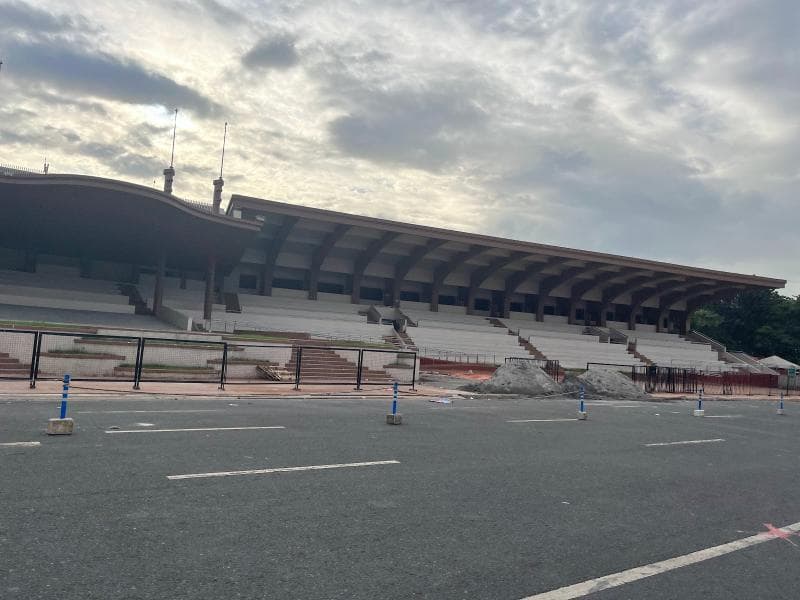
Discover Quirino Grandstand in Rizal Park, Manila, Philippines, a historic site for presidential inaugurations and massive national events.
Overview
Nestled within the sprawling expanse of Rizal Park in Manila, Philippines, the Quirino Grandstand stands as more than just a structure; it is a monumental stage where the narrative of a nation unfolds. Located at the park's western end, facing the vast waters of Manila Bay, this iconic landmark has witnessed pivotal moments in Philippine history, from declarations of independence to presidential inaugurations and massive public gatherings. Originally known as the Independence Grandstand, it serves as a powerful symbol of national identity and collective memory, drawing both historical enthusiasts and curious travelers to its hallowed grounds.
History & Cultural Background
The story of the Quirino Grandstand begins with the birth of a nation. The first Independence Grandstand was hastily constructed in 1946 to host the historic proclamation of Philippine independence from the United States on July 4, 1946. Designed by the esteemed Filipino architect Juan Arellano, this original structure embodied neoclassical grandeur, featuring a triumphal arch, two shaded wings, and a stage shaped like a ship's bow, adorned with figures representing freedom and the Filipino people.
However, the grandstand that stands today is not Arellano's original creation. The initial structure was later demolished, and a new one was erected in 1949 at its current location, closer to the Manila Bay breakwater. This new design, by supervising architect Federico Ilustre, retained elements of Arellano's vision but with a simpler approach, incorporating some Art Deco influences. It was completed just in time for the inauguration of President Elpidio Quirino, who became the first president to take his oath of office on this new stage. Following his death, the grandstand was officially renamed in his honor, solidifying its place in the political and cultural landscape of the Philippines. Over the years, it has undergone expansions to accommodate ever-growing crowds, with some neoclassical elements reintroduced in the 1990s.
What Makes It Special
The Quirino Grandstand's unique significance stems from its role as the nation's primary ceremonial venue. It is the traditional site for annual Independence Day celebrations, a place where the collective memory of freedom is rekindled year after year. More profoundly, it has been the chosen setting for the inauguration of many Philippine presidents, who stand before their people to swear allegiance to the republic, a moment charged with immense national pride and hope.
Beyond political ceremonies, the grandstand is renowned for hosting some of the largest public gatherings in the country's history. It was the focal point for the World Youth Day 1995 closing liturgy, led by Pope John Paul II, drawing an estimated four million people – a world record at the time. Two decades later, Pope Francis's concluding Mass in 2015 saw an even larger gathering, with an estimated six million faithful filling the surrounding open grounds, making it one of the largest papal events ever recorded. These events underscore the grandstand's incredible capacity to unite millions in shared experiences.
Its strategic location within Rizal Park, with the vast Burnham Green in front and the scenic Manila Bay behind, allows it to accommodate massive crowds, transforming the area into a monumental public forum. It has also hosted major sporting events, such as the opening and closing ceremonies of the 2005 Southeast Asian Games, and cultural celebrations, like the 1998 Philippine Centennial Celebration, which famously culminated in a spectacular fireworks display over Manila Bay.
Stories, Fun Facts & Local Details
The Quirino Grandstand is steeped in stories that reflect the highs and lows of Filipino society. It's not just a stage for celebrations; it has also borne witness to moments of national introspection and tragedy, such as the 2010 Manila hostage crisis, an event that deeply affected the nation and garnered international attention.
A lesser-known fact is that the original grandstand was not in the exact same spot. It was initially closer to the Rizal Monument, before being relocated and rebuilt. The current design, while simplified, still echoes the neoclassical ambitions of its predecessor. Locals often refer to the surrounding area as 'Luneta,' an affectionate name for Rizal Park, which itself is a hub of activity.
During the COVID-19 pandemic, this historic site demonstrated its adaptability, temporarily serving as a drive-thru testing and later a vaccination facility for the city of Manila, showcasing its continued relevance to public welfare beyond ceremonial events. The area around the grandstand, including the 10-hectare Burnham Green, is a popular spot for jogging, picnics, and various community activities, from martial arts training to concerts, making it a living part of everyday Manila life.
Visitor Perspective
For a curious traveler, visiting the Quirino Grandstand offers a tangible connection to the heart of the Philippines. While its grandeur might be best appreciated during a national event, its presence as a silent observer of history is palpable at any time. Located at the western edge of Rizal Park, it's easily accessible and often combined with a visit to other attractions like the Rizal Monument or the nearby Manila Ocean Park.
The vast open space in front of the grandstand invites contemplation, allowing visitors to imagine the millions who have stood there, united by purpose or celebration. While the area can sometimes show signs of urban wear, its historical and cultural weight remains undeniable. Observing the grandstand provides a sense of the Filipino spirit – resilient, communal, and deeply connected to its past and aspirations. It is a place to pause, reflect, and appreciate the enduring significance of public spaces in shaping national identity.
Coordinates: 120.97395, 14.58006
View on Google Maps💬 How Travelers Describe This Place
Based on community votes
Photogenic
934Unique
879Interesting
741Must See
482Beautiful
396
Traveler Stories
Discover memorable experiences shared by travelers who have visited this place.
No traveler stories yet.
Be the first traveler to share what made this place memorable.

Tour
By
Spot
Discover amazing places around the world. Your journey starts here.
Explore
© 2026 TourBySpot. All rights reserved.