Japanese Garden
Manila, Philippines
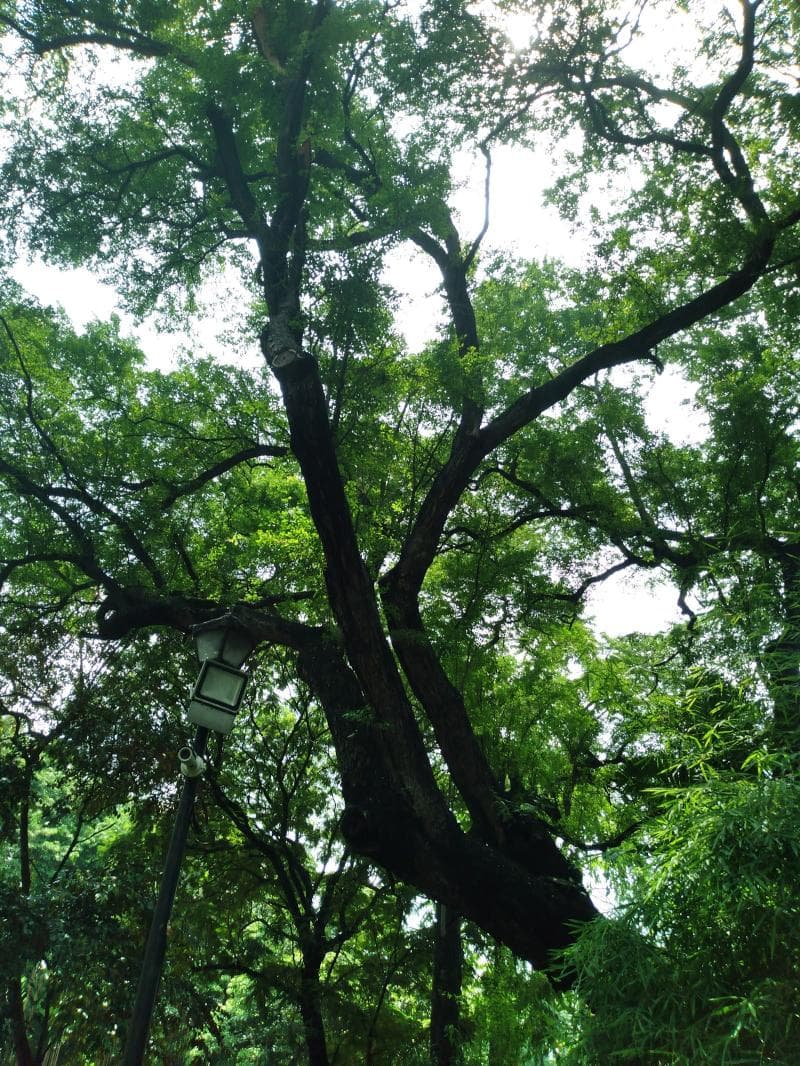
Discover the tranquil Japanese Garden in Rizal Park, Manila, Philippines – a serene oasis symbolizing friendship and cultural exchange.
Overview
Tucked away within the expansive historical grounds of Rizal Park in Manila, Philippines, lies the serene and beautifully crafted Japanese Garden. This tranquil sanctuary offers visitors a peaceful respite from the vibrant energy of the bustling city. Designed with traditional Japanese aesthetics, the garden is a living symbol of the enduring friendship and cultural exchange between Japan and the Philippines. It features a harmonious blend of natural elements and careful design, inviting contemplation and quiet strolls amidst its lush landscapes.
As you step through its entrance, marked by Japanese-style architecture, you are immediately transported to a space characterized by calm and order. The garden is adorned with carefully chosen trees, ornamental plants, and iconic stone lanterns, all framing a picturesque lagoon traversed by a distinctive bridge. It stands as one of the most cherished landscapes within Rizal Park, celebrated for its natural beauty and inviting ambiance.
History & Cultural Background
The genesis of the Japanese Garden dates back to the late 1960s, a period marked by efforts to strengthen diplomatic ties and foster friendship between the Philippines and Japan. The initiative was spearheaded by then-First Lady Imelda Marcos, who began making requests for a Japanese garden within Rizal Park to the Embassy of Japan in the Philippines as early as 1967. Her persistent requests, echoed by President Ferdinand Marcos during a visit by Japanese Prime Minister Eisaku Sato to Manila, garnered strong support.
In response to this desire to cultivate goodwill, Prime Minister Sato tasked the Philippine Society of Japan with leading the project. The construction was made possible through significant donations, amassing over 53 million Japanese yen from various Japanese companies and organizations, supplemented by 3.6 million Japanese yen from Japan's Ministry of Foreign Affairs. The garden was officially turned over during a ceremony on June 11, 1969, attended by President and First Lady Marcos, alongside former Japanese Prime Minister Nobusuke Kishi, solidifying its role as a tangible representation of bilateral friendship.
Beyond its dedication to Philippine-Japanese amity, the Japanese Garden also holds a poignant historical marker. Within its bounds, visitors can find the Trece Martirez de Bagumbayan Marker, which commemorates the heroism of 13 Filipino patriots. These individuals were arrested following the Cry of Pugad Lawin and subsequently executed on January 11, 1897, on charges of treason and sedition. This dual historical significance adds layers of cultural depth to the garden, blending international friendship with a remembrance of local valor.
What Makes It Special
The Japanese Garden distinguishes itself through its adherence to traditional Japanese landscaping principles, emphasizing asymmetry, simplicity, and a deep connection to nature. Unlike the rigid formal gardens sometimes found elsewhere, this garden embraces an organic flow that mimics natural landscapes, providing a serene backdrop for quiet contemplation.
A dominant feature is a large, irregularly shaped pond, which serves as the heart of the garden. A long, often red or wooden, bridge gracefully arches over this water feature, connecting different parts of the garden and symbolizing a journey or transition. Surrounding the pond are meticulously arranged stone lanterns, indicative of Japanese garden design, and a diverse collection of trees and ornamental plants that change with the seasons, offering continuous visual interest. The presence of pagodas and gazebos, often adorned with red pillars and green-tiled roofs, further enhances the authentic Japanese aesthetic. It's a place where the calm atmosphere of traditional Japanese design provides a stark and welcome contrast to the energetic urban environment of Manila.
Stories, Fun Facts & Local Details
The Japanese Garden is more than just a beautiful landscape; it tells a story of reconciliation and renewed ties. Its very existence is a testament to the efforts made to foster peace and understanding between two nations after a complex historical past. Many locals and tourists find it an ideal spot for photography, with its picturesque scenes providing a stunning backdrop for memories.
One interesting detail is how the garden successfully integrates Japanese artistic expression with the local Filipino environment. While maintaining its distinct Japanese character, the garden has evolved to be a beloved local spot, a common destination for those seeking a moment of peace, or even for couples on a quiet date. The bamboo, a prominent feature in some areas, symbolizes resilience and strength, standing tall and swaying with the wind without breaking, a powerful metaphor that resonates with both cultures.
It's a testament to urban planning that such an oasis exists, providing ecological benefits like improved air quality and a habitat for local wildlife within the heart of a major city.
Visitor Perspective
For the curious traveler, the Japanese Garden offers a distinctly tranquil experience within Rizal Park. Upon entering, the calming ambiance instantly lowers the city's volume, replacing it with the gentle rustle of leaves and the sight of serene waters. The well-maintained pathways invite leisurely walks, allowing visitors to explore the various elements at their own pace. The garden's layout encourages reflection, with strategically placed benches where one can simply sit and absorb the peaceful surroundings.
Whether you're an avid photographer looking for a scenic shot of the iconic bridge, a history enthusiast connecting with the Trece Martirez marker, or simply someone seeking a moment of calm, the Japanese Garden provides a meaningful retreat. It's a place where you can unwind, practice mindful walking, or simply enjoy the unique fusion of cultural artistry and natural beauty. It serves as a reminder that even in the heart of a metropolis, pockets of profound tranquility and cultural significance can be found, offering both a visual feast and a contemplative journey.
Coordinates: 120.9783, 14.5825
View on Google Maps💬 How Travelers Describe This Place
Based on community votes
Must See
963Beautiful
723Interesting
482Photogenic
396Unique
274
Traveler Stories
Discover memorable experiences shared by travelers who have visited this place.
No traveler stories yet.
Be the first traveler to share what made this place memorable.

Tour
By
Spot
Discover amazing places around the world. Your journey starts here.
Explore
© 2026 TourBySpot. All rights reserved.