Open-Air Auditorium
Manila, Philippines
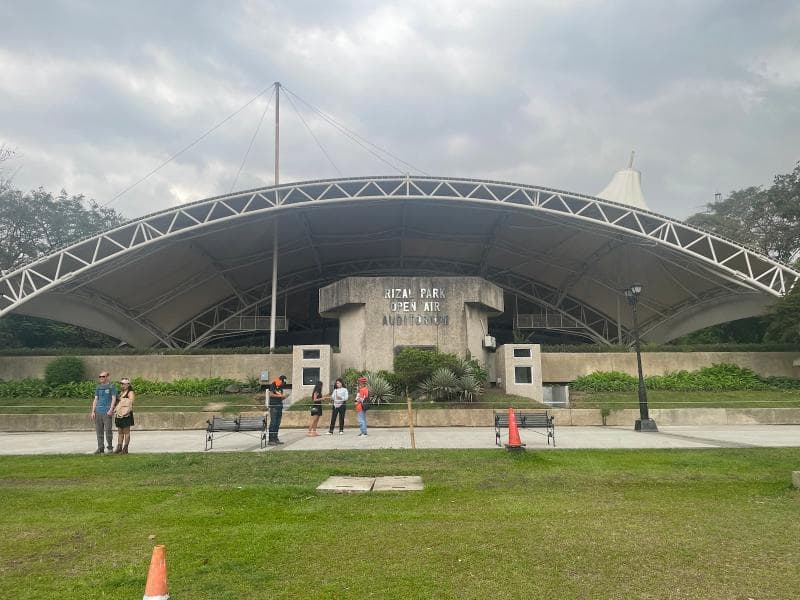
Discover the Open-Air Auditorium in Manila's Rizal Park, a vibrant cultural hub offering free concerts, dance, and theater performances under the Philippine sky.
Overview
The Open-Air Auditorium in Manila's historic Rizal Park is a cultural cornerstone, offering a vibrant space for public performances amidst the bustling city. It stands as a testament to the Philippines' rich artistic heritage and commitment to making culture accessible to all. Located within the sprawling 58-hectare Rizal Park, also known as Luneta, this amphitheater provides a unique setting where art and nature converge. It is an iconic venue for a diverse array of events, from musical concerts to theatrical presentations and traditional dance performances. Situated beside the Chinese Gardens, its strategic location within the park ensures ample space and a scenic backdrop for the cultural spectacles it hosts.
History & Cultural Background
The vision for an open-air amphitheater within Rizal Park took shape, although its initial proposed location behind the Quirino Grandstand was later changed to its current site for better space and slope. The Open-Air Auditorium was designed by National Artist for Architecture, Leandro Locsin, and inaugurated in 1968. Locsin's design initiated a trend, inspiring the creation of other open-air venues across the country dedicated to music, dance, and theater, thus fostering greater access to the arts for the Filipino people. For decades, this venue has served as a significant platform for both local and foreign artists, contributing profoundly to Manila's cultural landscape. The National Parks Development Committee (NPDC), Department of Tourism, and People's Television have been instrumental in providing free performances here. In the 2010s, a canopy roof was installed, enhancing the venue's functionality and visitor comfort.
What Makes It Special
What truly sets the Open-Air Auditorium apart is its unwavering dedication to bringing arts and culture directly to the public, free of charge. It's a place where diverse artistic expressions flourish, ranging from classical orchestral pieces and ballet to contemporary pop and rock concerts. The auditorium serves as a democratic space for cultural enrichment, allowing everyone, regardless of their background, to experience high-quality performances. This commitment reflects the Filipino spirit of community and appreciation for the arts. The ambiance offers a delightful experience, with audiences enjoying cultural performances amidst the scenic surroundings of Rizal Park. The presence of a covered amphitheater ensures that shows can proceed, providing entertainment to a wide audience.
Stories, Fun Facts & Local Details
The Open-Air Auditorium is home to several long-running and cherished cultural programs. 'Concert at the Park', for instance, is a Sunday tradition featuring orchestras, symphonic music, classical ballet, and folk dances, and has received accolades such as the Catholic Mass Media Hall of Fame Award for Best Cultural Program. Friday evenings come alive with 'Weeknights@6', showcasing variety shows that encompass the best of seven arts, including architecture, cinema, dance, theater, literature, music, and visual arts. Saturdays offer 'Labs Kita Sabado', focusing on modern performances like pop/rock OPM concerts, acoustic nights, and contemporary ballet. Additionally, 'Cinema in the Open-Air' provides seasonal free film screenings, featuring local and international films and documentaries in partnership with various embassies and the Film Development Council of the Philippines. These programs make the auditorium a consistent source of entertainment and cultural engagement for locals and tourists alike. The location near the Chinese Garden adds to the picturesque setting, creating a unique atmosphere for attendees.
Visitor Perspective
For a curious traveler, visiting the Open-Air Auditorium offers an authentic glimpse into the vibrant cultural life of Manila. The atmosphere is typically lively, especially during weekend performances, with families, couples, and solo visitors gathering to enjoy the free shows. It's advisable to arrive early for popular events, particularly free ones, as the venue can draw a large crowd, especially around 5-6 PM. The seating is plentiful, and the acoustics are generally good, making for an enjoyable viewing experience. While restrooms have been noted to be clean and improved, visitors should be aware that some areas might get wet during the rainy season. Experiencing a performance here is not just about the show itself; it's about being part of a shared community experience, soaking in the Filipino hospitality, and appreciating the country's artistic expressions in a relaxed, open-air setting. It's an accessible and compelling way to engage with Manila's cultural heartbeat.
Coordinates: 120.9787, 14.5826
View on Google Maps💬 How Travelers Describe This Place
Based on community votes
Beautiful
958Must See
794Interesting
565Unique
157Photogenic
28
Traveler Stories
Discover memorable experiences shared by travelers who have visited this place.
No traveler stories yet.
Be the first traveler to share what made this place memorable.

Tour
By
Spot
Discover amazing places around the world. Your journey starts here.
Explore
© 2026 TourBySpot. All rights reserved.