Chinese Garden
Manila, Philippines
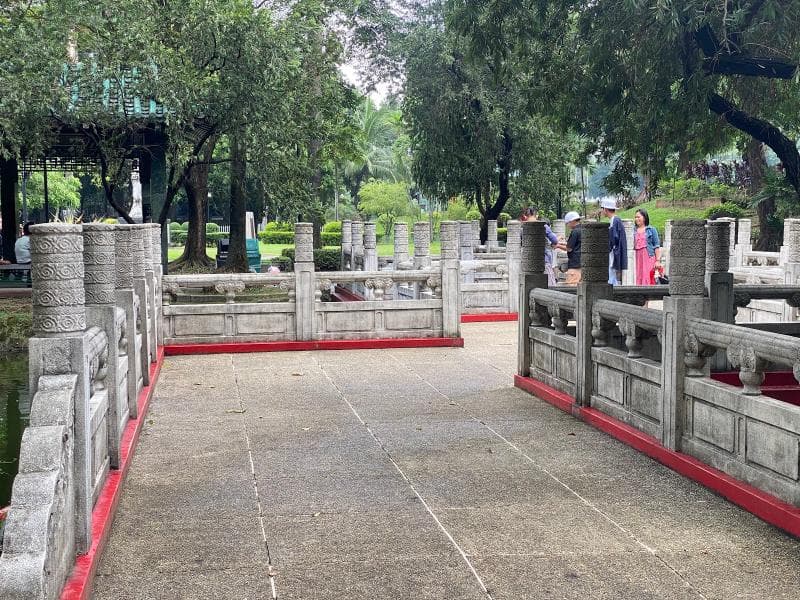
Explore the tranquil Chinese Garden in Rizal Park, Manila, Philippines. Discover traditional Chinese architecture, serene ponds, and cultural symbols.
Overview
Nestled within the expansive grounds of Rizal Park in Manila, Philippines, the Chinese Garden offers a serene and culturally rich escape from the bustling city. This beautifully landscaped garden is a testament to traditional Chinese aesthetics and serves as a lasting symbol of the friendship between the Philippines and China. As visitors pass through its ornate gates, they are transported into a world of tranquil ponds, classical pavilions, and intricate rock formations, meticulously designed to evoke a sense of harmony and peace. The garden invites quiet contemplation and leisurely strolls, making it a unique cultural landmark within Manila's historical heart.
History & Cultural Background
The Chinese Garden was conceived and constructed between 1966 and 1967, arising from a desire to foster deeper cultural understanding and friendship between the Philippines and China. The project was spearheaded by Ka Doroy Valencia, then Vice Chairman of the National Parks Development Committee (NPDC), who garnered support and funds from Taiwan. A significant contribution to its design came from C.Y. Shih, a renowned 78-year-old Taiwanese landscaper, who worked alongside Filipino-Chinese Landscape Architect Ernesto Villavicencio. The garden was designed with elements inspired by classical Chinese gardens, notably those found in places like Beijing's Summer Palace, ensuring an authentic representation of Chinese artistry. It officially opened in 1979, cementing its role as a diplomatic gesture and a cultural bridge between the two nations.
What Makes It Special
The Chinese Garden distinguishes itself with its authentic traditional Chinese architectural and landscaping elements. Visitors are greeted by a grand, white Chinese-style gate adorned with intricately carved dragons, setting the tone for the cultural journey within. Inside, a large, irregularly shaped man-made lagoon forms the centerpiece, around which shaded paths wind. Along these paths, one discovers pagodas and gazebos characterized by vibrant red pillars and distinct green-tiled roofs, often decorated with mythical figures. A prominent feature is a long pavilion situated on the southern shore of the pond, where black plates bear Chinese sentences translated into English and Tagalog, offering snippets of wisdom and cultural insight. Stone bridges gracefully arch over water features, and the presence of koi ponds adds to the serene ambiance.
Stories, Fun Facts & Local Details
Beyond its visual appeal, the Chinese Garden is rich with meaningful details. A life-sized granite Confucius Monument stands proudly, a donation from the Anvil Business Club. This monument is not merely a statue; it is a celebration of true Chinese culture, aiming to promote traditional Confucian and Filipino values while also honoring teachers as unsung heroes of society. This gesture reciprocates China's support for the Rizal Monument in Dr. Jose Rizal's ancestral village in Jinjiang City, Fujian province. The garden also features a 'wisdom walk,' where Chinese proverbs are displayed in their original characters and translated into both English and Filipino, inviting contemplation. Even some of the cypress and poplar trees thriving in the garden today trace their origins back to Taiwan, a subtle nod to the garden's beginnings. The garden's design, with its focus on harmony between architecture and nature, truly reflects ancient Chinese philosophy.
Visitor Perspective
For those exploring Rizal Park, the Chinese Garden offers a peaceful sanctuary, a quiet corner away from the city's hustle and bustle. Visitors often describe it as a tidy and well-laid-out space, with lush greenery, colorful ornamental plants, and carefully maintained pathways, making it ideal for a leisurely walk or quiet relaxation. It is a popular spot for families, picnickers, and photography enthusiasts seeking picturesque backdrops. While the atmosphere is generally tranquil, on some Sundays, the garden can even host martial arts classes, adding a dynamic cultural layer to the experience. To experience the garden in its most serene state, an early morning visit around sunrise is recommended, offering cooler temperatures and soft lighting perfect for reflection and photography. The dry season, from November to March, also provides pleasant weather for an extended visit. The Chinese Garden truly offers a unique blend of cultural immersion and peaceful urban escape in the heart of Manila.
Coordinates: 120.9778078, 14.5830554
View on Google Maps💬 How Travelers Describe This Place
Based on community votes
Photogenic
981Must See
958Unique
565Beautiful
157Interesting
28
Traveler Stories
Discover memorable experiences shared by travelers who have visited this place.
No traveler stories yet.
Be the first traveler to share what made this place memorable.

Tour
By
Spot
Discover amazing places around the world. Your journey starts here.
Explore
© 2026 TourBySpot. All rights reserved.