Riga Old Town
Riga, Latvia
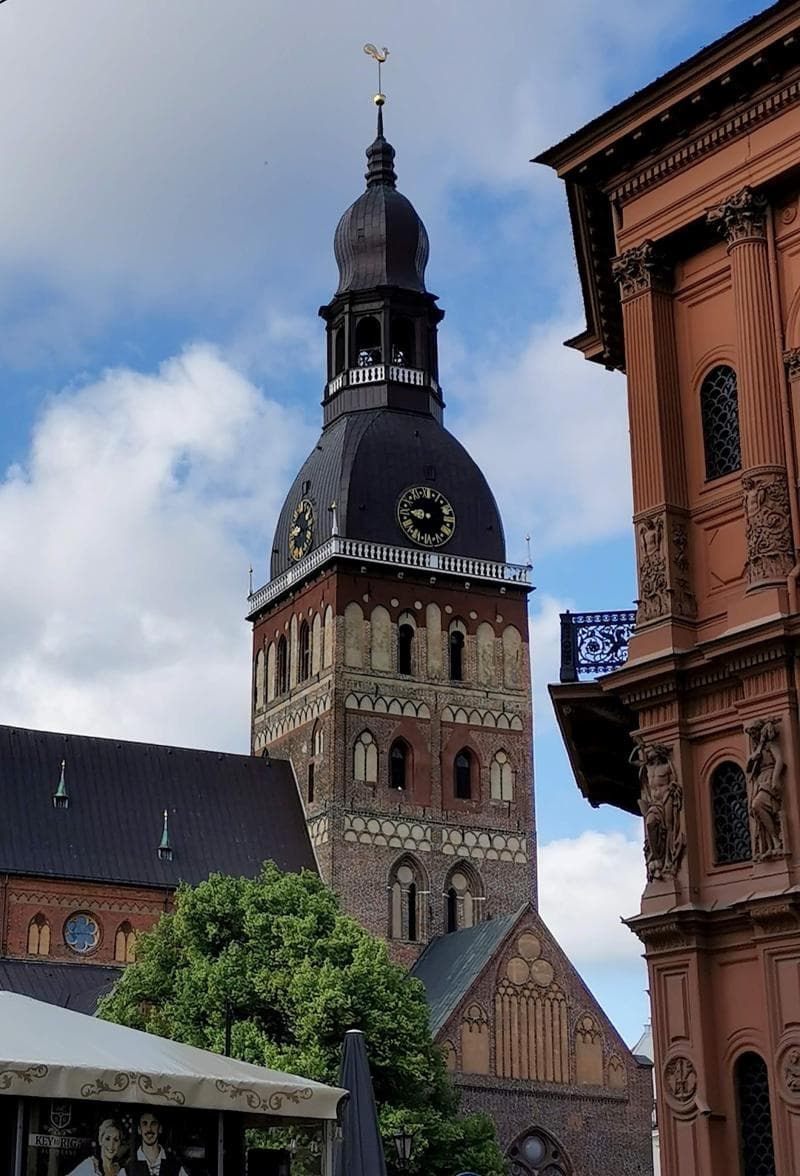
Explore Riga Old Town, Latvia's UNESCO World Heritage site. Discover medieval architecture, Hanseatic history, and cultural gems in Vecrīga.
Overview
Riga Old Town, known locally as Vecrīga, is the historic heart of Latvia's capital and a designated UNESCO World Heritage Site since 1997. Nestled on the east bank of the Daugava River, it offers a captivating journey through centuries of European history. This charming district is characterized by its narrow cobblestone streets, diverse architectural styles, and an undeniable atmospheric allure that beckons curious travelers to explore its every corner.
Recognized for its outstanding universal value, Riga Old Town seamlessly blends medieval charm with later architectural influences, creating a unique urban landscape. It's a place where history is etched into every building facade and where the echoes of a vibrant past can still be felt amidst its lively squares and hidden passageways.
History & Cultural Background
The story of Riga Old Town began in the early 13th century when Bishop Albert founded the city in 1201, establishing a crucial trading port. Riga quickly grew around the Daugava River, becoming a significant member of the Hanseatic League by 1282. This membership propelled its prosperity through extensive trade connections with central and eastern Europe, influencing its architectural development and urban fabric.
Over the centuries, Riga experienced various cultural and political influences, including Germanic, Polish, Swedish, and Russian rule, all of which left their distinctive marks on its architecture and traditions. While earlier wooden structures were largely lost to fires and conflicts, the enduring stone buildings reflect a blend of Romanesque, Gothic, Baroque, and later styles. Despite periods of damage, notably during World War II and subsequent demolition under Soviet rule, extensive restoration efforts after Latvia regained independence have meticulously preserved and revived its historic grandeur.
What Makes It Special
What truly sets Riga Old Town apart is its exceptional architectural tapestry. It boasts an unparalleled collection of Art Nouveau buildings in the broader Historic Centre, alongside its well-preserved medieval core. Walking through Vecrīga, one can admire over 500 buildings showcasing styles from Romanticism and Gothic to Mannerism and Classicism.
Iconic landmarks abound, each with its own narrative. The magnificent House of the Blackheads, originally built in 1334 as a meeting place for merchants, served the Brotherhood of Blackheads, a guild of unmarried foreign merchants. Though destroyed in World War II, it was meticulously reconstructed between 1995 and 1999, embodying resilience and historical fidelity.
The towering Riga Cathedral, founded in 1211, is the largest medieval church in the Baltic states and houses one of Europe's largest pipe organs. Its architecture reflects a blend of Romanesque and Gothic elements, evolving over centuries.
Nearby, St. Peter's Church, first mentioned in 1209, dominates the skyline with its spire, which has been rebuilt multiple times after collapses and fires. It offers panoramic views of the city from its observation platform.
Other highlights include the Three Brothers, a trio of residential houses demonstrating evolving architectural styles from the 15th to 17th centuries, and the Swedish Gate, the last remaining gate from the original city wall.
Stories, Fun Facts & Local Details
Riga Old Town is rich with engaging stories. The House of the Blackheads is famously associated with the first decorated public Christmas tree in 1510, a tradition that reportedly originated here.
The Brotherhood of Blackheads, a prominent guild, was named after their patron saint, St. Maurice, often depicted as a dark-skinned figure. They were known for their lavish festivals and significant influence on Riga's economy and culture.
For a whimsical detail, seek out Rozena Street, reputed to be the narrowest street in Riga, where one can almost touch both walls simultaneously.
St. Peter's Church itself has a story of survival, with its weathervane (a rooster) being replaced six times due to storms and collapses, symbolizing the church's enduring trials and tribulations. The current rooster is said to contain 140 grams of gold plating, and the church bell plays the Latvian folk melody 'Riga Resounds' five times a day.
Another local legend speaks of the 'Black Cat House', where the owner, after being rejected from the merchants' guild, placed cat statues with arched backs facing the guild building in protest.
Visitor Perspective
Exploring Riga Old Town feels like stepping back in time. The pedestrian-friendly cobblestone streets invite slow wandering, allowing visitors to soak in the atmosphere. Beyond its historic landmarks, the district buzzes with lively squares, artisan shops, and intimate cafes during the day.
As evening descends, Vecrīga transforms into a vibrant social hub, with wine bars, cocktail lounges, and restaurants keeping the area alive. Whether you are seeking a relaxed historical exploration, cultural immersion, or lively evening entertainment, the Old Town offers diverse experiences. Its compact nature makes it ideal for walking tours, providing an accessible and engaging way to uncover centuries of Latvian heritage.
Coordinates: 24.10444, 56.94917
View on Google Maps💬 How Travelers Describe This Place
Based on community votes
Unique
540Must See
470Beautiful
410Photogenic
147Interesting
114
Traveler Stories
Discover memorable experiences shared by travelers who have visited this place.
No traveler stories yet.
Be the first traveler to share what made this place memorable.
Things to see at Riga Old Town



Tour
By
Spot
Discover amazing places around the world. Your journey starts here.
Explore
© 2026 TourBySpot. All rights reserved.