Three Brothers
Riga, Latvia
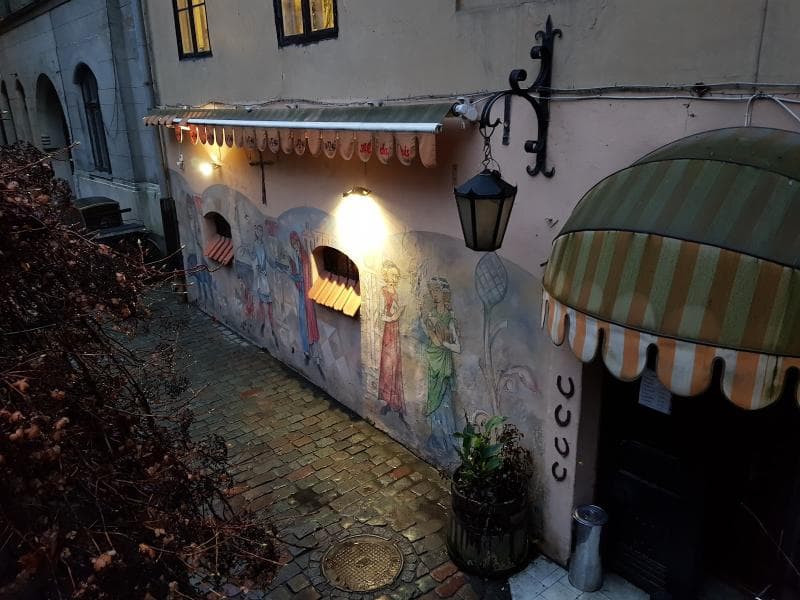
Explore the Three Brothers in Riga, Latvia: a medieval complex showcasing centuries of architectural evolution and housing the Latvian Museum of Architecture.
Overview
Nestled within the labyrinthine cobblestone streets of Riga's Old Town, the 'Three Brothers' (Trīs brāļi) complex stands as a captivating architectural chronicle of Latvia's capital. This historic ensemble comprises three distinct houses, situated side-by-side at Mazā Pils iela 17, 19, and 21. More than just old buildings, they represent the oldest surviving residential complex in Riga, offering a tangible journey through nearly five centuries of architectural styles and urban development. Today, these venerable structures are not only a cherished national monument but also house the Latvian Museum of Architecture and the State Inspection for Heritage Protection, making them a vibrant hub for cultural preservation and education.
Their distinctive facades, each telling a different story, create a unique streetscape that has charmed visitors and historians alike. The complex's significance extends beyond local renown, having been honored with the prestigious European Heritage Label in 2020, recognizing its profound contribution to Europe's shared cultural narrative.
History & Cultural Background
The story of the Three Brothers is one of continuous evolution, reflecting the changing fortunes and architectural trends of Riga across the centuries. The oldest of the trio, at Mazā Pils iela 17, dates back to the late 15th century, around 1490. This 'brother' is characterized by its crow-stepped gables and Gothic detailing, interspersed with early Renaissance elements. In its original form, the interior comprised a single large room that served multiple purposes – a space for work, trade, and daily life, a common practice in medieval dwellings.
The middle 'brother', located at Mazā Pils iela 19, emerged in 1646, showcasing the sophisticated influences of Dutch Mannerism. This house is arguably the most ornate, featuring larger windows and an elegant stone portal added in 1746. Above its entrance, the Latin inscription 'Soli Deo Gloria!' (Glory to God alone!) can still be admired, a testament to the prevailing piety of the era. Its design marked a departure from its older neighbor, introducing dedicated living spaces separate from the working areas.
Finally, the youngest 'brother', at Mazā Pils iela 21, took its present narrow Baroque form in the second half of the 17th century. Its slender silhouette and distinct architectural features, including a decorative mask on its facade, complete this remarkable architectural timeline. Together, these three houses form a striking visual textbook of residential building construction in Riga, spanning from the late Gothic period through to Dutch Mannerism and Baroque styles.
What Makes It Special
What sets the Three Brothers apart is their unparalleled ability to illustrate the evolution of residential architecture in Riga within a single, compact setting. Standing side-by-side, they provide a rare comparative study of building techniques, decorative styles, and urban living conditions over several centuries. This living timeline offers an intimate glimpse into how Riga's inhabitants adapted their homes to changing aesthetic preferences, societal needs, and available resources.
Furthermore, their continued use as the home for the Latvian Museum of Architecture ensures that these historic buildings remain relevant and accessible. Visitors can step inside to explore medieval details, authentic layouts, and exhibitions that delve into the broader architectural heritage of Latvia. The recognition with the European Heritage Label underscores their importance not just for Latvia, but as a significant example of Europe's shared architectural legacy, fostering a deeper understanding of continental history and cultural diversity.
Stories, Fun Facts & Local Details
The name 'Three Brothers' itself is steeped in local legend, with popular lore suggesting that the houses were built by three men from the same family. While romantic, it's also noted that the name may have been inspired by a similar complex in Tallinn known as the 'Three Sisters'. Regardless of its origin, the name imbues the buildings with a sense of familial connection and enduring legacy.
Each 'brother' boasts unique elements that reveal fascinating historical details. The youngest house, for example, features a mask on its facade—a common architectural embellishment believed to ward off evil spirits and protect the inhabitants within. During the restoration in the mid-20th century, the courtyards of all three buildings were unified, and various stone portals from other demolished Riga houses were incorporated into the walls, effectively creating an outdoor architectural museum. This courtyard also hosts various important historical construction details from Riga's lost architecture, offering a quiet, atmospheric space away from the bustling main streets of Old Town.
Visitor Perspective
For any curious traveler in Riga's Old Town, the Three Brothers complex is an unmissable destination. Located conveniently on Mazā Pils iela, it is easily accessible on foot from major landmarks like Dome Square and Riga Castle. The exterior of the buildings can be admired at any time, offering continuous visual delight as the light changes throughout the day. Photography enthusiasts will find ample opportunities to capture their distinctive features, with early mornings often providing the best light and fewer crowds.
Stepping inside, particularly into the Latvian Museum of Architecture housed within Mazā Pils iela 19, offers a deeper, immersive experience. While the museum's exhibitions may vary, the opportunity to explore the interior of such ancient dwellings is invaluable. Visitors can appreciate the historical construction methods and imagine life within these walls centuries ago. Whether you're an architecture enthusiast, a history buff, or simply a traveler with a keen interest in cultural heritage, the Three Brothers provide a meaningful and enriching encounter with Riga's storied past.
Coordinates: 24.104354, 56.950351
View on Google Maps💬 How Travelers Describe This Place
Based on community votes
Interesting
950Must See
929Unique
858Photogenic
287Beautiful
275
Traveler Stories
Discover memorable experiences shared by travelers who have visited this place.
No traveler stories yet.
Be the first traveler to share what made this place memorable.

Tour
By
Spot
Discover amazing places around the world. Your journey starts here.
Explore
© 2026 TourBySpot. All rights reserved.