House Of The Black Heads
Riga, Latvia
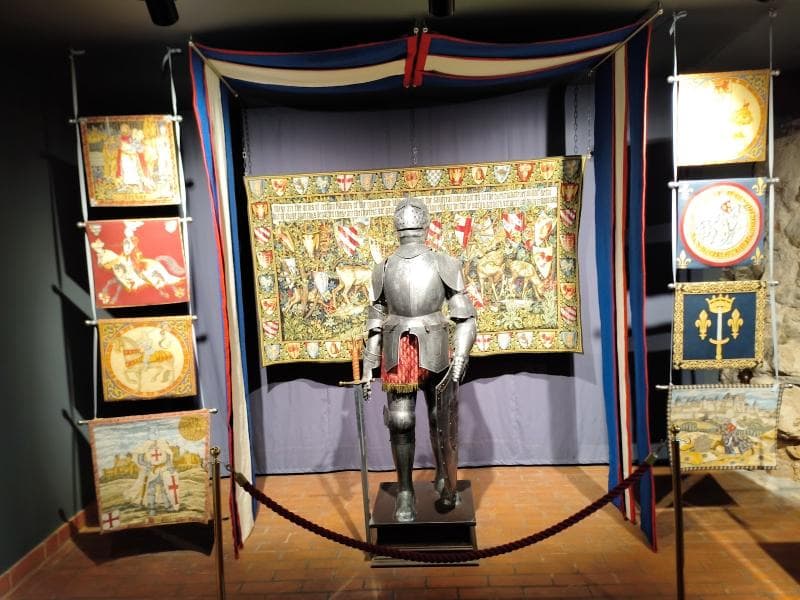
Discover the House of the Black Heads in Riga, Latvia. Explore its rich history as a medieval merchant guild hall, stunning Dutch Renaissance architecture, and its iconic reconstruction, offering a unique glimpse into Riga's past.
Overview
Nestled in the heart of Riga's Old Town, the House of the Black Heads stands as one of Latvia's most striking architectural gems. This magnificent building, found in Town Hall Square, is a prime example of Riga's rich history and architectural grandeur, captivating visitors with its ornate facade and intricate details. While it appears as a beautifully preserved historical edifice today, the current structure is a meticulous reconstruction, completed between 1995 and 1999, mirroring its glorious pre-World War II appearance. Once the vibrant hub for a brotherhood of unmarried merchants, it now serves as a museum, a prestigious event venue, and a ceremonial hall, inviting travelers to delve into centuries of Riga's past.
History & Cultural Background
The story of the House of the Black Heads begins in 1334, when it was first erected as the 'New House'. Initially, it functioned as a versatile gathering place for Riga's various public organizations and merchants, hosting meetings and lively celebrations. By the mid-15th century, specifically from 1478, the building became closely associated with the Brotherhood of Blackheads, a distinctive guild comprising unmarried foreign merchants and shipowners. This brotherhood played a crucial role in Riga's medieval trade, significantly influencing the city's economy and cultural life through organizing festivals and patronizing arts and architecture. They adopted Saint Maurice as their patron saint, who was traditionally depicted as a dark-skinned knight, giving the brotherhood its unique name and emblem.
Over the centuries, the House underwent several transformations, notably adopting the elegant Dutch Renaissance style around 1620, with further embellishments added in the 19th century. Tragically, the original building suffered extensive damage during the Second World War in 1941, when it was bombed. Its ruins were later completely demolished by the Soviet government in 1948, leaving a void in Riga's historic skyline. However, the spirit of the building was too vital to be lost. Following Latvia's regaining of independence, a monumental reconstruction project began in 1995, meticulously rebuilding the House of the Black Heads based on historical documents and photographs. This ambitious undertaking, partially funded by public donations, culminated in its reopening on December 9, 1999, symbolizing national pride and resilience.
What Makes It Special
What truly sets the House of the Black Heads apart is its breathtaking facade, a masterpiece of Dutch Renaissance and Mannerist ornamentation. It's an explosion of intricate details, featuring sculptures of mythological figures, classical gods like Neptune and Mercury, allegories of Unity and Peace, and coats of arms from Hanseatic cities. An iconic astronomical clock adorns its exterior, adding to its visual splendor and historical charm. Every element of the facade tells a story of Riga's prosperous past as a trading hub. Inside, visitors can explore grand ballrooms, including the opulent Festival Hall, and historical cabinets showcasing a remarkable collection of silver. One of the most intriguing features is the medieval cellar, the only original part of the building to survive the wartime destruction, offering an authentic glimpse into 14th-century Riga with its ancient Gothic walls.
Stories, Fun Facts & Local Details
The Brotherhood of Blackheads themselves were known for their spirited temperament and their passion for organizing lavish celebrations and cultural events, making their headquarters a central point of social life in medieval Riga. The origin of their name, derived from Saint Maurice, their patron saint depicted as a dark-skinned figure, adds a fascinating cultural layer to their identity. A poignant detail of the building's legacy is the wish once inscribed on its gates: 'If I were to ever collapse, raise me up once again!' This inscription perfectly encapsulates the structure's eventual fate and its triumphant reconstruction, a testament to the city's determination. The project was so significant that over 5,000 individuals contributed by donating funds to place a brick in its walls, making its rebuilding a community effort. The distinctive red and white colors of the facade are not merely aesthetic choices but are believed to symbolize wealth, power, and prestige, reflecting the Blackheads' esteemed status in society.
Visitor Perspective
For the curious traveler, visiting the House of the Black Heads offers an immersive journey into Riga's rich cultural and historical heritage. It's an opportunity to step into the world of medieval merchants and appreciate the city's enduring spirit. Beyond admiring its striking exterior, guests can explore its beautifully restored interiors, which house exhibitions detailing the history of the Brotherhood and Riga's trading past. The building functions as a vibrant cultural center, regularly hosting concerts, exhibitions, and official receptions, maintaining its role as a focal point in Riga's public life. Audio guides are available in several languages, enhancing the visitor's understanding of this iconic landmark. A visit here is more than just sightseeing; it's a chance to connect with the stories that have shaped Riga and to witness a powerful symbol of resilience in Latvia's capital.
Coordinates: 24.1068, 56.9472
View on Google Maps💬 How Travelers Describe This Place
Based on community votes
Beautiful
791Photogenic
613Unique
514Must See
457Interesting
207
Traveler Stories
Discover memorable experiences shared by travelers who have visited this place.
No traveler stories yet.
Be the first traveler to share what made this place memorable.

Tour
By
Spot
Discover amazing places around the world. Your journey starts here.
Explore
© 2026 TourBySpot. All rights reserved.